
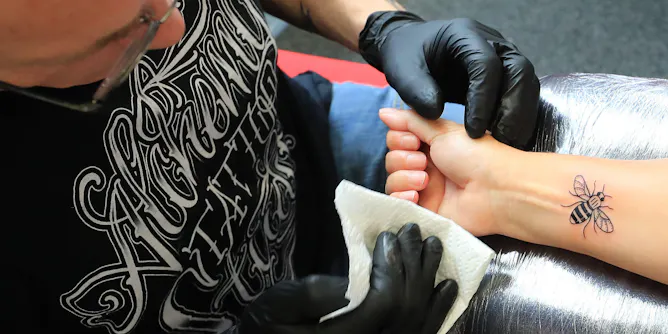
Throughout their history, tattoos have helped bind together out-groups.
Articles on Identity
Displaying 61 - 80 of 219 articles
Beyond the glamour and fan adulation, African footballers in Europe struggle with adjusting to a new environment.
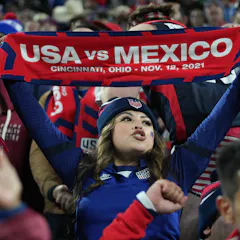
As the World Cup kicks off in Qatar, a scholar probes questions of identity in the American game. Is Mexico really the US’s ‘other team’?
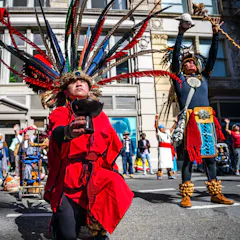
Geographic, cultural and political identity are all part of being Indigenous.

Students are less likely to think they can be good at both math and reading as they get closer to high school.
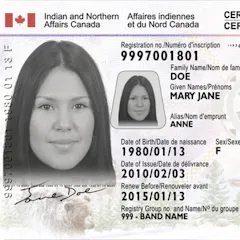
Challenging Indigenous identity fraud in academia must name and focus explicitly on structures of whiteness, white entitlement and settler colonialism so we don’t recreate the harms of past policies.
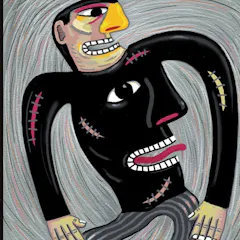
This book succeeds well in describing and criticising, through many examples, how whiteness works.
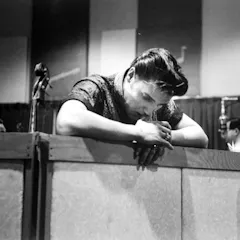
Presley never wrote a memoir. Nor did he keep a diary. His music could have been a window into his inner life, but he didn’t even write his songs.
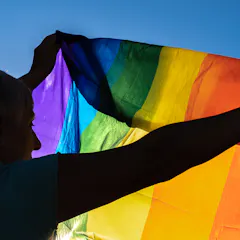
The Nova Scotia LGBT Seniors Archive and Lesbian Oral History Project focus on gathering stories from the generation that began using the term lesbian, and those who still can’t.
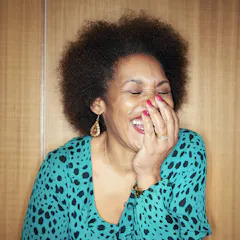
What if cultivating your authentic self doesn’t involve self-reflection, but instead means focusing on what feels good and natural?
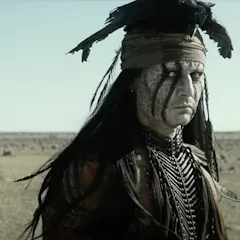
Indigenous Nations have always maintained their citizenship orders. They have always retained the right to determine who does and does not belong. We know who we are.
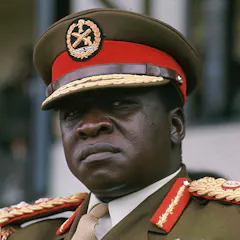
There is more to ethnic identity than ancestral location or settlement pattern, language or family history.
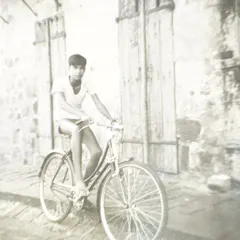
My family is Mauritian, but when I take a DNA test, Mauritian didn’t even rank as an ethnicity. It can’t. Everyone from Mauritius is from somewhere else, or from many places at the same time.
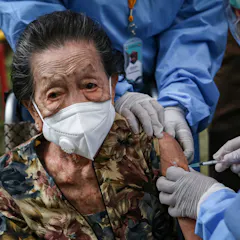
By scrapping the requirement, the Indonesian government can improve equality of access to basic services and protections that are sorely needed now and in the post-pandemic future.

The book reveals an insidious, unthinking form of racial hierarchy.
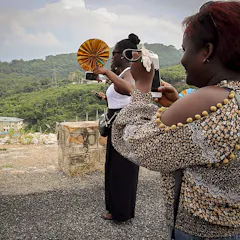
Trips to their home countries by migrant youth help them create and update their relationship with the countries their families come from.

Republicans are four times as likely as Democrats to say they’re not going to get the COVID-19 vaccine. What’s behind the polarization of who trusts or denies science?
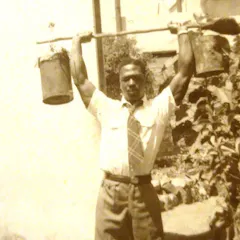
A new book explores physical culture in a social and historical context, focusing on colonial settings.

A more balanced picture of “coloured” mens’ experiences and lives allows society to see beyond negative stereotypes.
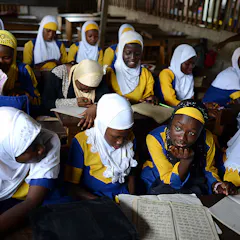
Although Ghana has not been affected by religious conflict, the ways youth from the Muslim minority relate to their nation is an important question.
Top contributors
-

Director, PUSKAPA
-
Professor of Management, Western Washington University
-
Honorary Associate in Philosophy, University of Sydney
-
Assistant Professor. L. Robert Payne School of Hospitality and Tourism Management, Tourism RESET, San Diego State University
-
Associate Professor, Department of Anthropology, McGill University
-
Clinical Assistant Professor of Education, Health and Behavior Studies, University of North Dakota
-
Assistant Professor of Psychology, Western Washington University
-
-
Head of Research, PUSKAPA
-
Senior Lecturer (Organisational Behaviour), Te Herenga Waka — Victoria University of Wellington
-
Executive Director of the Department of Leadership and Transformation, University of South Africa
-
Research Fellow in Migration, Identity and Belonging, University of Birmingham
-
Professor of Planning, School of Built Environment, UNSW
-
PhD Candidate, UNSW
-
Lecturer, University of Leicester