
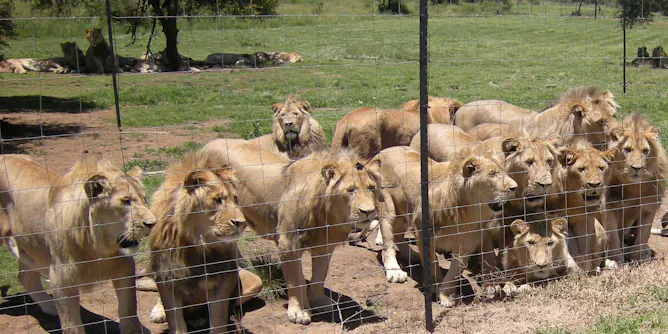
About 8,000 lions are being held in facilities across South Africa. In some cases, a legal operation is plugged into an illicit trade network.
Articles on Hunting
Displaying 41 - 60 of 149 articles
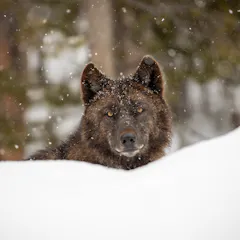
Less than a century ago, Colorado hunted, trapped and poisoned all the wolves within its borders. Today it’s restoring them – a change that reflects a profound shift in human thinking.
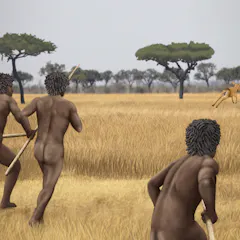
Africa’s large mammal heritage has formed a deep cultural legacy for all of humankind.
A recent French Senate report calling on a ban on alcohol use while hunting has prompted the wrath of the country’s hunting lobby. Do its arguments hold water?
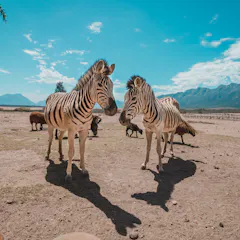
Africa’s designated protected areas don’t handle shocks well - South Africa’s wildlife ranches offer lessons in resilience.
Claims that introduced deer perform the same ecological function as ancient moa are outdated and wrong. Deer destroy forests, and large-scale culling is still the best solution.
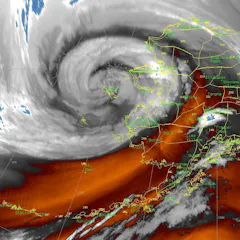
Most of the flooded communities are Indigenous and rely on subsistence hunting that residents would normally be doing right now. Recovering from the damage will make that harder.
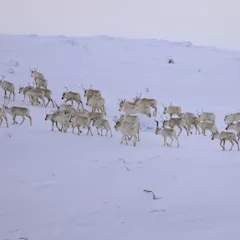
Support for Inuit and other Indigenous-led strategies for conservation and community well-being must be prioritized.
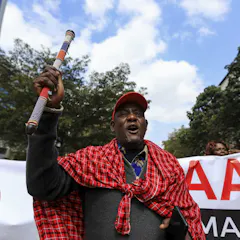
Just over 100 years ago, Maasai in Kenya were moved into reserves, where they could be more easily taxed and controlled, to make way for white settlement.
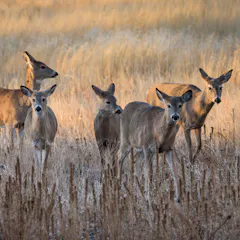
A deadly neurological infection, chronic wasting disease, has been detected in deer, elk and moose in 30 states and four Canadian provinces. Human risk is low, but hunters need to take precautions.
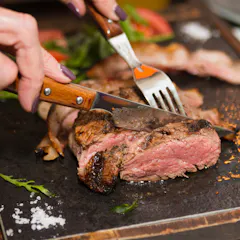
Meat has been a marker of class and gender divides, sparked scientific revolutions and has been at the centre of wars.
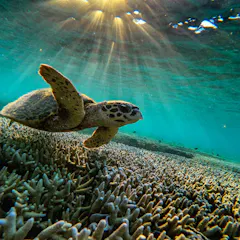
Many of Africa’s large aquatic animals, such as dolphins, manatees and turtles, are being killed for meat.

Researchers have discovered that great white sharks are more social than previously thought. Using specialized tags, they tracked six sharks and found that some stay close to each other when hunting.
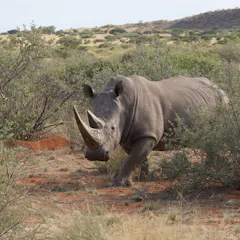
Legal hunting helps rhino conservation for biological and socio-economic reasons.

Indigenous stories of survival in fictional post-apocalyptic landscapes draw from actual events and experiences. These stories preserve histories and the possibility of hope.
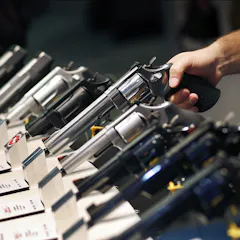
Every gun and bullet sold in the U.S. generates excise taxes to support conservation. But Americans are buying guns now for different reasons than in the past – and increasingly, not for hunting.
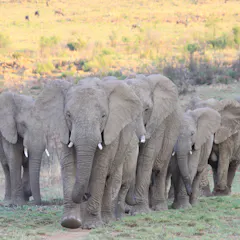
We showed for the first time that social disruption and trauma - such as culling of older elephants - has a lasting impact on the behaviour of African elephants.

Food-sharing by animals that hunt in groups is not well understood. A new study sheds light on African wild dogs.
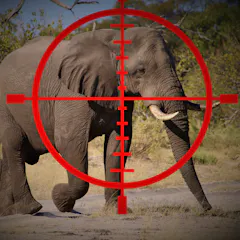
To many of us trophy hunting is repellent. But here’s a look at why killing wild animals might be pleasurable to some.
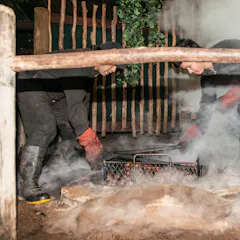
Many Indigenous people in Australia and Aotearoa New Zealand are lacking food security due to public health orders preventing them from traditional food sourcing.
Top contributors
-

Environmental Social Scientist, Newcastle University
-
Visiting Research Fellow, Manchester Metropolitan University
-
Professor in Tourism, North-West University
-
Honorary Research Fellow, UCL
-
Visiting Research Fellow, Manchester Metropolitan University
-
Assistant Professor in the Human Dimensions of Natural Resources, Colorado State University
-
Professor of Fish, Wildlife, and Conservation Biology and Director, Center for Human-Carnivore Coexistence, Colorado State University
-
Oppenheimer-Jamma Research Chair in African Wildlife Economies, Stellenbosch University
-
Emeritus Research Professor of African Ecology, University of the Witwatersrand
-
Assistant Professor of Environmental Biology and Faculty Co-Director of Center for Native Peoples and the Environment, State University of New York College of Environmental Science and Forestry
-
Emeritus Professor, Environmental Science, James Cook University
-
Professor of Wildlife Conservation, University of Tasmania
-
Associate professor, UNSW
-
Research Associate, Department of International Relations, University of the Witwatersrand; Chief Research Officer, Good Governance Africa; Managing Director, Harvey Economics Pty Ltd.
-
PHD Graduate, School of Life and Environmental Sciences at Deakin University, Deakin University