

Air conditioning changed both building design and people’s active management of home temperatures. A return to houses designed for our climate can keep us comfortable and cut energy use and emissions.
Articles on Housing design
Displaying 21 - 34 of 34 articles
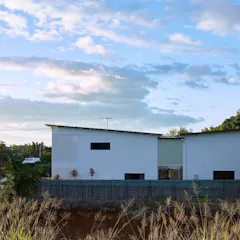
People living with the change and uncertainty of this century need flexible and adaptable housing. Here we look at a couple of examples of what’s possible.

To deliver better housing for health, we must go back to what we know works, to the proven evidence-based solutions for design, construction, delivery and maintenance.
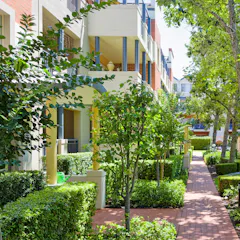
Being crowded into poor-quality high-density units harms residents’ health, but design features that are known to promote wellbeing can make a big difference to the lives of low-income households.
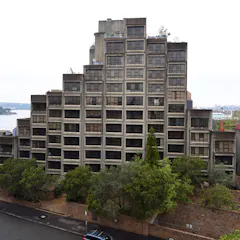
Social housing can certainly have heritage significance. Over more than 100 years, it has been shaped by contemporary architectural and political ideas, sometimes in an exemplary way.
City dwellers are individually starting to do their bit to live sustainably. Now pioneering businesses are aiming to make ecological and social sustainability part of their bottom line.
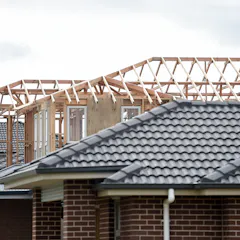
People are taking on larger future risks and costs just so they can buy a house. Increases in new home owners are seen as a positive development, but what if they can’t afford the ongoing costs?

Power-hungry houses that rely on air conditioning to make up for their bad design mean that the electricity grid has to cope with summer demand peaks – and everybody pays.

The stereotype of a dependent generation who won’t leave home ignores the many reasons adult family members choose to live together in the one house.
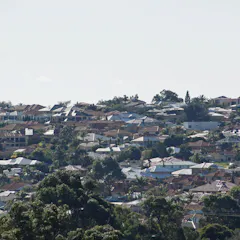
Government and industry need to demonstrate the benefits of well-designed higher-density housing. Rich residential display projects may be the ideal catalyst for creating smarter cities.
There’s no ‘one size fits all’ approach. But a lot of little things – from colors to appliance noise – can make a big difference.
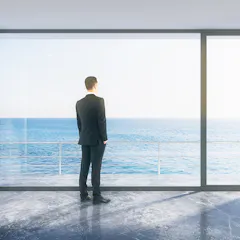
Had the Romans, Chinese and English of old seen our buildings, built around views that distract from the interior and our interior lives, they would not have been surprised by modern discontent.
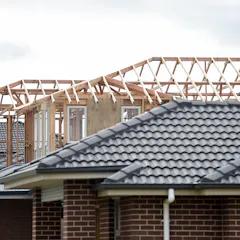
Community and housing industry leaders agreed a national guideline and a plan to provide basic access features in all new housing by 2020. But this voluntary approach is failing.

As the NDIS roll-out begins, Australia faces a housing shortfall affecting up to 122,000 participants. Developing smart technology and design offers more independent living for people with disability.
Top contributors
-

Associate Professor in Architecture, Adelaide University
-
Associate Professor in Property, Construction and Project Management, RMIT University
-
Professor of Housing Research, Adelaide University
-
Lecturer in Humanitarianism and Development, Deakin University
-
Adjunct Senior Research Fellow, Monash University
-
Chair Professor of Architecture, UNSW
-
Senior Research Fellow, City Futures Research Centre, UNSW
-
Senior Lecturer - Energy, Queensland University of Technology
-
Senior Lecturer, Queensland University of Technology
-
Senior Lecturer in Urban and Environmental Planning, Griffith University
-
Professor, Rehabilitation, Ageing and Independent Living Research Centre and Occupational Therapy Department, School of Primary and Allied Healthcare, Monash University
-
Professor of Economic Geography, Institute for Culture and Society, Western Sydney University
-
Research assistant, Western Sydney University, UNSW
-
Senior Research Fellow, City Futures Research Centre, UNSW Sydney, UNSW
-
Professor, City Futures Research Centre, UNSW