
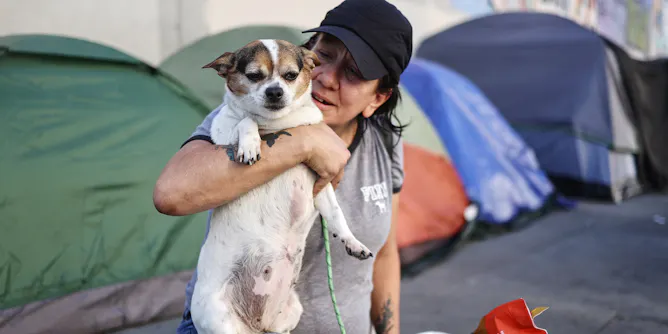
A pilot program in Los Angeles reduced the rate of homelessness among homeless people with pets.
Articles on Homeless shelters
Displaying 1 - 20 of 21 articles
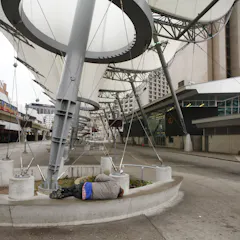
Detroit’s homelessness response system could lose millions of dollars in federal funding for permanent supportive housing as the city’s homelessness rates increase.
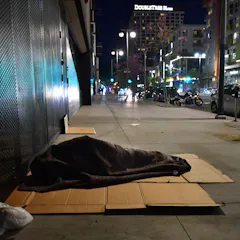
It doesn’t matter how many meals a provider serves. It matters how many people overcome homelessness.

If passed, B.C.’s Bill 45 will trample over the constitutional rights of unhoused people by ignoring shelter barriers, Indigenous rights and the need for daytime shelter

As US cities struggle to reduce homelessness, two scholars explain how planners can reform shelter design to be more humane and to prioritize mental health and well-being.

The Ugandan orphans stole headlines after performing on Britain’s Got Talent - but have been an internet sensation for years.

Andrea Magalhaes hasn’t demanded vengeance since her son was murdered — she’s called for expanding the social safety net to address the root causes of crime. Public officials should listen to her.
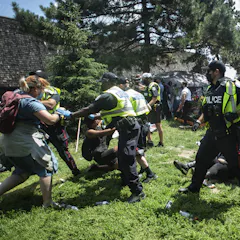
The redefining of ‘the public’ is a helpful step toward listening to those who have experienced homelessness.
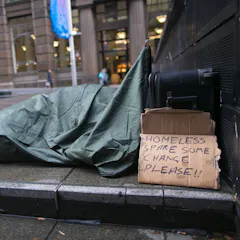
To really reduce homelessness we need to prevent those at risk from ever becoming homeless in the first place.

Because COVID-19 is airborne, we can’t know if the shelter system is as safe as it should be without seeing metrics related to ventilation, filtration and occupancy.
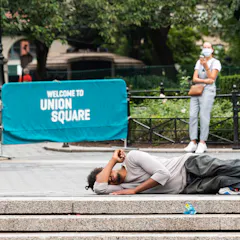
What happens to unhoused people who get COVID-19?
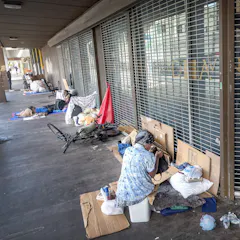
Australia found shelter for more than 33,000 rough sleepers and other homeless people during the pandemic, but a coming surge in homelessness demands a comprehensive national housing strategy.

In the absence of serious efforts by mental health centres, shelters and youth group homes to prevent people from running away from their facilities in the first place, police involvement is necessary.
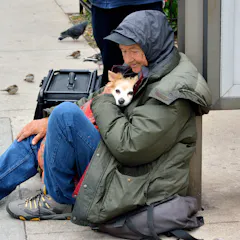
Pets are a source of physical, psychological and social support for homeless people.
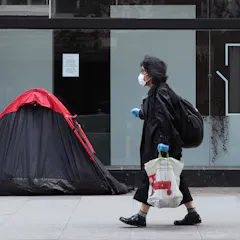
Some people abandon emergency accommodation or refuse to ‘come indoors’ at all, choosing to sleep rough or squat instead.
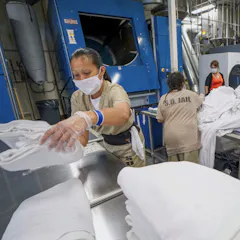
Amid the COVID-19 pandemic, missteps in transitioning the incarcerated back to their communities places this already vulnerable populace at greater risk of getting and transmitting the virus.
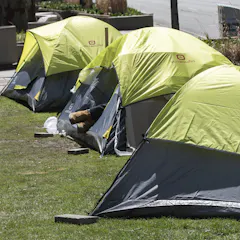
Police officers are integral front-line workers during this extraordinary crisis. They should be empowered to act as protectors of the vulnerable, not as persecutors of homeless people.
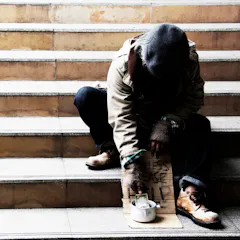
Transgender people experience high rates of discrimination in housing and shelter services.
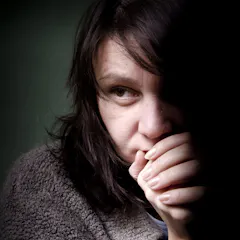
The largest group of homeless women is between the ages of 25 and 34, and family violence is most often the cause. Their stories testify to the dangers and stresses of not having a place to call home.
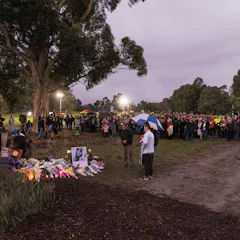
The brutal killing of a young homeless woman has led to calls for more crisis accommodation. This is a short-term fix. We have to move beyond crisis management to sustained housing for people at risk.
Top contributors
-

Professor of Interior Design and Architecture, Florida State University
-
Senior Research Fellow, Housing, Homelessness & Urban Studies (HHAUS) research group, Swinburne University of Technology
-
Professor of Housing Economics, UNSW
-
Postdoctoral research fellow, Swinburne University of Technology
-
Senior Lecturer in Marketing, Western Sydney University
-
Associate research scientist, Universidade de Lisboa
-
Professor, School of Social Science, The University of Queensland
-
Postdoctoral Fellow in Social Work, Colorado State University
-
PhD Candidate, Institute for Social Policy Housing and Equalities Research, Heriot-Watt University
-
Professor, University of Regina
-
Associate Professor of Sociology, University of Toronto
-
Emeritus Professor of Housing, UNSW
-
Professor and Canada Research Chair in Law, Society & Sustainability, University of British Columbia
-
Assistant Professor of Internal Medicine and Pediatrics, Wayne State University
-
Project Manager and Data Analyst, Institute for Social Change, University of Tasmania