

Researchers are advocating for an organisational memory to help companies fully encompass their past - the good, the bad and the ugly and avoid false narratives and cases of corporate amnesia.
Articles on Heritage protection
Displaying all articles
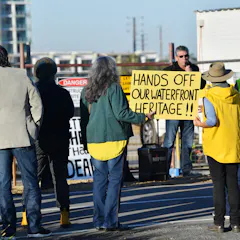
YIMBYs and NIMBYs agree on one thing – they both want to live in desirable heritage neighbourhoods. And despite heritage being blamed for lack of new housing in these areas, it’s not the real issue.
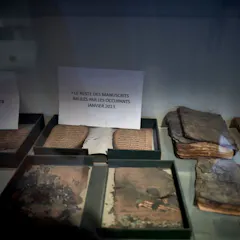
Protecting the continent’s historical artefacts requires political will from governments – and a reawakening of cultural conscience among Africans.

Symbolic recognition will boost the marketability of the Valencian delicacy.

If communities don’t understand and support local heritage protections, perhaps that’s a reflection on how the system works and not just evidence of a need for public education.

It’s people, in addition to architecture or history, that make some meeting places worthy of heritage protection. Social values are now among the listing criteria, but many such places remain at risk.
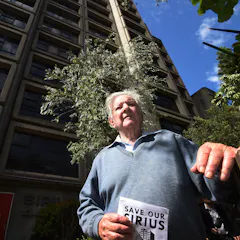
Jack Mundey fought to save Australia’s urban and environmental heritage. An architect of green bans, his lifelong efforts empowered citizens to assert their right to keep the heritage of their city.
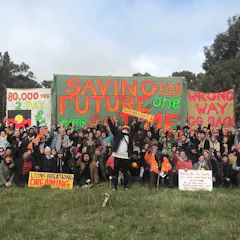
Laws in other countries recognise ‘rights of nature’. But even trees sacred to Indigenous Australian communities have no special protection.
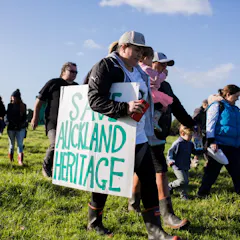
Built colonial heritage represents more than 80% of the sites on New Zealand’s national heritage list. This leaves some 700 years of Indigenous settlement significantly under-represented.
Top contributors
-

Honorary Research Fellow, Federation University Australia
-
Professor Sustainability and Urban Governance, RMIT University
-
Adjunct Senior Fellow, Law Futures Centre, Griffith University
-
Professor of Race Relations, Health and Wellbeing, Te Kunenga ki Pūrehuroa – Massey University
-
Professor of Intellectual Property Law, City St George's, University of London
-
Professional Teaching Fellow in Relational Justice and Ethics, University of Auckland, Waipapa Taumata Rau
-
Research Associate, The University of Melbourne
-
Associate Dean, Centre for Responsible Entrepreneurship, EDHEC Business School
-
Maître de conférences, LUMEN (ULR 4999), Université de Lille
-
Maître de conférences, LUMEN (ULR 4999), Université de Lille, Université de Lille
-
Professorial fellow, University of Auckland, Waipapa Taumata Rau
-
PhD Candidate, Intellectual Property Law, Universidad de Alicante
-
Senior Lecturer, University of Ibadan