
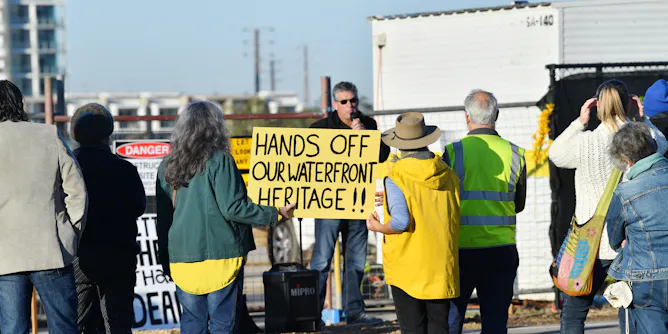
YIMBYs and NIMBYs agree on one thing – they both want to live in desirable heritage neighbourhoods. And despite heritage being blamed for lack of new housing in these areas, it’s not the real issue.
Articles on Heritage conservation
Displaying 1 - 20 of 21 articles
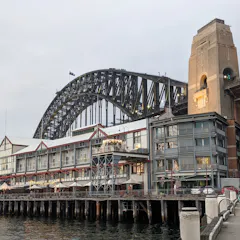
Our urban heritage should be allowed to evolve and adapt to the values and needs of today. It’s the best way to avoid neglect and decay, while enabling this heritage to help make cities sustainable.

If communities don’t understand and support local heritage protections, perhaps that’s a reflection on how the system works and not just evidence of a need for public education.
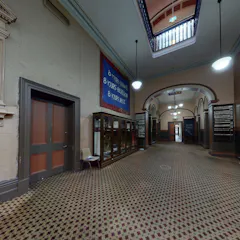
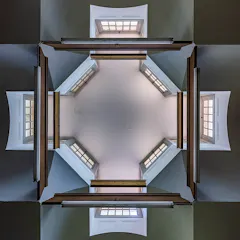
With our travel wings clipped and cities under lockdown, heritage buildings have found new ways for us to fly over rooftops and zoom in on wallpaper.
Pretoria’s institutional buildings are majestic, but crumbling. Weskoppies, the first psychiatric hospital in the region, is a good example of the state of the city’s heritage architecture.

New director-general Helen McGrady is looking to cities for a ‘radical’ future at the National Trust.
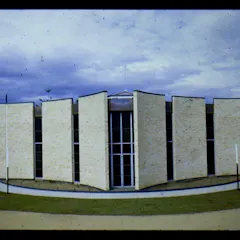
Of the thousands of churches erected to serve the fast-growing communities of post-war Australia, very few are protected. Are we happy to lose buildings that are so much part of our modern heritage?
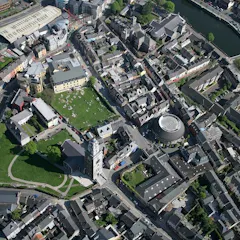
A suburb in the Irish city of Cork sets the standard for involving the community in heritage building conservation. Public engagement is the key to managing the inevitable conflicts.

Adaptively re-using buildings can preserve heritage while enabling new uses that help make cities more liveable and sustainable.
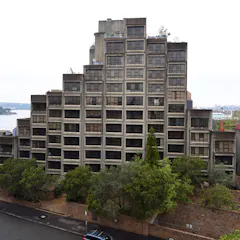
Social housing can certainly have heritage significance. Over more than 100 years, it has been shaped by contemporary architectural and political ideas, sometimes in an exemplary way.
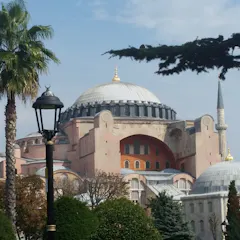
Adaptive reuse and recycling of heritage architecture may be all the rage, but are not new. Making new buildings from old has a long history in the ancient world.
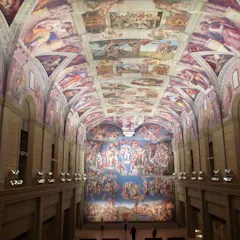
Increasingly sophisticated technology allows us to make close-to-perfect copies of everything from paintings to burial chambers. Can a replica bring artefacts to new audiences?
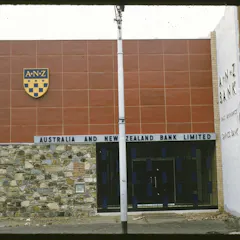
From the 1960s, the backlash against inner-suburban clearances was led by the ‘trendies’.
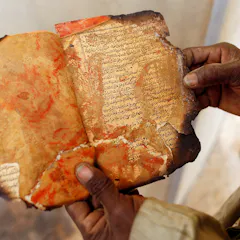
The ICC sentence against Al-Mahdi for destroying ancient artifacts at Timbuktu sends the right message that the international community will not tolerate the destruction of heritage sites.

The concept of living heritage can help us make decisions that go beyond preserving historical facades to protect and add to, rather than freeze, the stories and layers of the past.
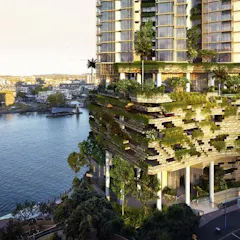
Landmarks identify and define cities. Town-planning instruments should protect these landmarks from new development that does not respect the setting.
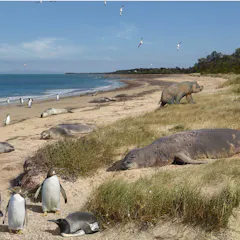
Palaeontologists say it’s rare to find a rich fossil site in an urban area. That’s why they’re worried such a site near Melbourne could be threatened by proposed development.
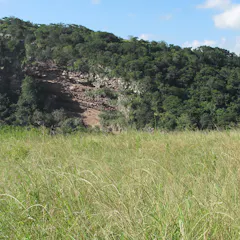
Africa needs to protect the Sibudu cave from development.
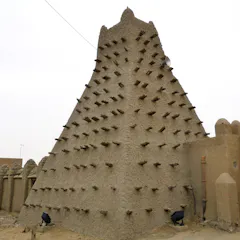
Africa is losing rich heritage and historical structures through conflict.
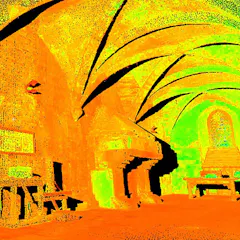
The latest advance used to help design new buildings and conserve our historic ones is a range of 3D modelling technologies. Using 3D models at the design stage improves better information to reduce production…
Top contributors
-

Honorary Research Fellow, Federation University Australia
-
Senior Lecturer in Urban and Environmental Planning, Griffith University
-
Adjunct Professor in Architecture, The University of Queensland
-
Acting Senior Curator, Nicholson Museum, University of Sydney
-
Professor of Human Geography and Planning, University of Tasmania
-
Researcher, The University of Melbourne
-
Honorary Professor, School of Geography, Archaeology and Environmental Studies, University of the Witwatersrand
-
Senior Research Fellow, City Futures Research Centre, UNSW
-
Associate Professor, School of Architecture, Design and Planning, University of Sydney
-
Research fellow, Adelaide University
-
Associate Professor (Archaeology), University of South Africa
-
Professor, UNSW
-
Emeritus Strategic Professor in Palaeontology, Flinders University
-
Senior Lecturer in Property Management and Development, Nottingham Trent University
-
Senior Research Fellow, University of Gloucestershire