
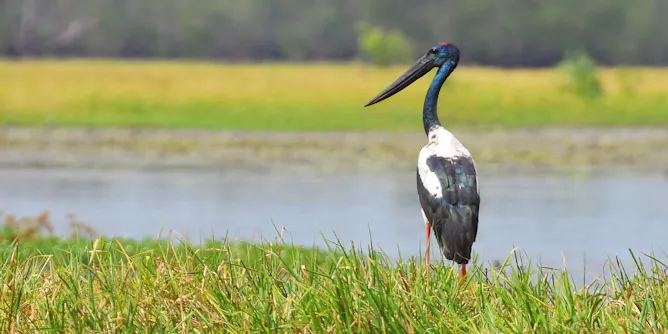
Researchers, managers and Traditional Owners are joining forces to understand and combat climate threats to Australia’s many unique World Heritage sites.
Articles on heritage listing
Displaying all articles
NSW is looking to update its heritage laws, as other states have done. But what actually is heritage?

If communities don’t understand and support local heritage protections, perhaps that’s a reflection on how the system works and not just evidence of a need for public education.

Heritage is non-renewable — just like the mineral wealth of this country.
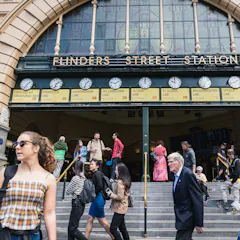
It’s people, in addition to architecture or history, that make some meeting places worthy of heritage protection. Social values are now among the listing criteria, but many such places remain at risk.
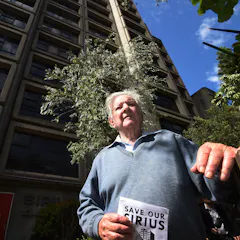
Jack Mundey fought to save Australia’s urban and environmental heritage. An architect of green bans, his lifelong efforts empowered citizens to assert their right to keep the heritage of their city.
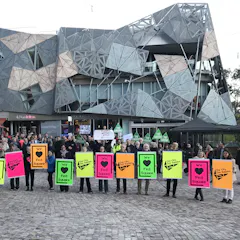
A youthful Fed Square satisfied five criteria to be added to the Victorian Heritage Register. The listing protects the square as a public place, but doesn’t prevent its continuing evolution.
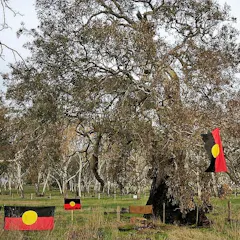
The Victorian government plans to destroy trees and sites sacred to Djab Warrung people to make way for the Western Highway at the same time as it seeks heritage listing for the Eastern Freeway.
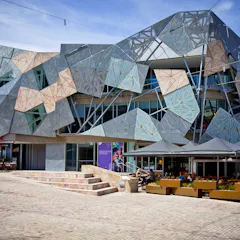
Federation Square may be less than 20 years old, but that doesn’t mean it can’t be heritage listed. Heritage value depends on many things including cultural significance
Top contributors
-

Honorary Research Fellow, Federation University Australia
-
Adjunct industry fellow, University of Southern Queensland
-
Horizon Research Fellow and Lecturer in Social Science, University of Sydney
-
Professor of Urban Planning, Centre for Urban Research, RMIT University
-
Coordinator, Climate Change Research and Practice Hub, RMIT University
-
Principal research scientist, CSIRO
-
PhD Candidate, School of Architecture and Urban Design, RMIT University
-
Secretariat at the International Indigenous Peoples Forum on World Heritage, Indigenous Knowledge
-
Associate Professor, School of Architecture, Design and Planning, University of Sydney
-
Professor, Director of Centre for Rock Art Research + Management, The University of Western Australia
-
Adjunct Research Fellow, Environmental Management, James Cook University
-
Research Associate, The University of Melbourne
-
Transdisciplinary Researcher & Knowledge Broker, CSIRO
-
Associate Professor, School of Design, RMIT University