

Wiping debt will help students and graduates but the changes are not as good as they should be. Particularly if you have a HELP debt and a family to support.
Articles on HELP debt
Displaying all articles

Australians with student debt would undoubtedly benefit from the proposed changes. But they come with a hefty price tag and some disadvantages.

Taxpayers, including those paying tuition fees with FEE-HELP loans, can claim a deduction for self-education expenses that relate to the work they do. But graduates with a HECS-HELP debt can’t claim.

Although the government has identified a real problem, its heavy-handed regulation would create unnecessary red tape for universities and exclude students who should get a second chance.

Politics Podcast: Tanya Plibersek on Labor’s taxing times
Tanya Plibersek talks on Anthony Albanese's Whitlam oration, Bill Shorten's unexpected announcement on rolling back company tax for medium sized firms, and the "tough" byelections.

With HELP debt likely to increase to A$75 billion in 2020, research from the US shows offering students financial literacy courses may be a gentler way to combat student debt.

Senators should consider how repayment thresholds vary depending on family circumstances, the impacts on taxes and how long students will be saddled with debt.

The government should add a ‘super payment option’ that allows graduates to offset the cost of their HELP repayments.
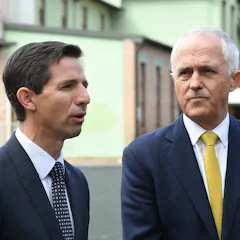
NATSEM has modelled the impact of the changes to the HELP debt repayments the government announced this week.

A Grattan Institute report I co-authored highlights student debt costs, with the finding that the government could save $800 million a year by retrieving unpaid debts from deceased estates and students…
Top contributors
-

Professor of Higher Education Policy, Monash University
-
Professorial Fellow, University of Canberra
-
Honorary Senior Fellow, Centre for the Study of Higher Education, The University of Melbourne
-
Honorary Senior Fellow, Melbourne School of Psychological Sciences, The University of Melbourne
-
Adjunct associate, Griffith University
-
Law Professor, University of New England