

All the awareness campaigns have had little effect on the ‘garden variety’ mental illness that’s causing most of the disability and death.
Articles on Griffith Review
Displaying 21 - 40 of 57 articles

How far would you go to better your life, to live longer, to beat death? And how much can technology help us in that quest?

Decades of expansion for Whyalla were followed by decades of contraction. Whyalla has seen optimism and idealism but also, if not despair, then its close neighbours, alienation and apathy.
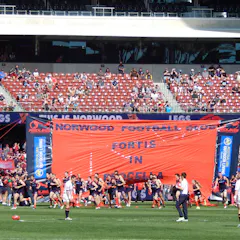
Footy isn’t just the dominant spectator sport and topic of conversation in South Australia. It’s a salve.

History is writ large in the remote areas around Woomera and the Nullarbor: from the fossils of microscopic, cell-like creatures to ancient stone tools to the deitrus of rocket tests and the painful legacy of the Maralinga atomic blasts.
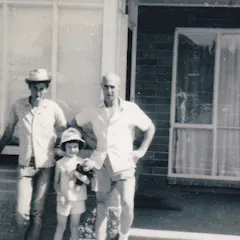
For once in its life, under the premiership of Don Dunstan, South Australia felt like the very centre of the universe.
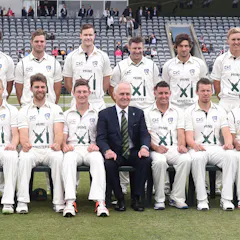
Since his ascendancy, the currently trim and muscular-looking Malcolm Turnbull has – for an Australian prime minister – had unusually little to say about sport.
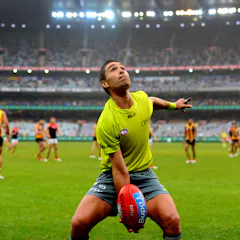
In their hearts, everyone associated with the AFL knows the decline in the community is real.

Public discourse and commentary are generally blind to the massive contribution that local sport contributes to social connectedness.

Until we see a marked change in the stories that are told, together with a shift from inclusion to social justice, the national story of Australian sport will remain very, very white.

Sports weekends are where family connections are sustained, and culture is infused into Australian football games played on country.

The 2016 Olympic Games is an invitation to a city known for partying more than anything else.
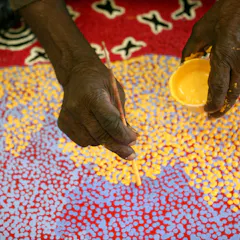
Public policy no longer requires the imprimatur of the Aboriginal people; Aboriginal participation in the decisions taken about their lives is negligible.

Diverse threads of the vast interrogation of nature we call science are coming together in a rich and mutually informative intellectual tapestry.
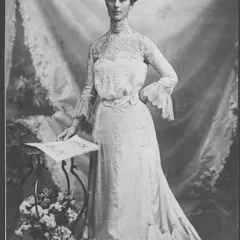
Australia’s inimitability with regard to women’s political equality has barely entered conventional studies of political history.
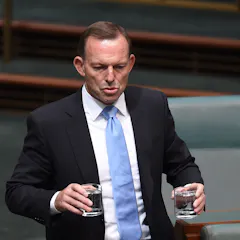
Only when systems change and cultural adjustments occur will the political class return to governing rather than ruling.
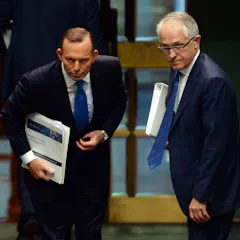
Governing was not meant to be easy. It never has been either.
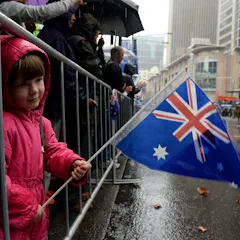
Never has the Anzac tradition been more popular and yet never have its defenders been more chauvinistic, bellicose and intolerant of other viewpoints.
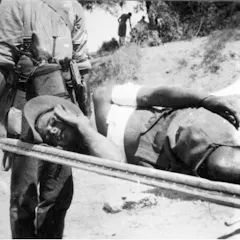
Australia has continually faced a returned soldier crisis. This is something that marked men returning from all the wars of modern memory – from the Great War to Afghanistan and Iraq.
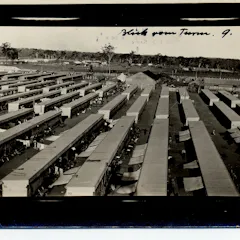
The story of the German–Australian community offers an alternative view of Australia’s history as a nation.
Top contributors
-

Professor Emeritus of Media and Culture, Griffith University, Griffith University
-
VC Postdoctoral Fellow, RMIT University
-
Research Professor in the Australian Centre for the Study of Armed Conflict and Society, UNSW
-
Senior Research Professor, Curtin University
-
Emeritus Professor, Monash University
-
Associate Professor in Archaeology and Space Studies, Flinders University
-
Flinders University
-
Director, Stout Research Centre, Te Herenga Waka — Victoria University of Wellington
-
Senior Lecturer in Politics, Adelaide University
-
Research Fellow, Institute for Health & Sport, member of the Community, Identity and Displacement Research Network, and Co-convenor of the Olympic Research Network, Victoria University
-
Professor, Canberra School of Government, University of Canberra
-
Professor Emeritus, School of Government and International Relations; Adjunct Professor, Centre for Governance and Public Policy, Griffith University
-
cultural policy consultant
-
Honorary Associate, Department of History, University of Sydney
-
Associate Professor of Organisation Studies, University of Tasmania