
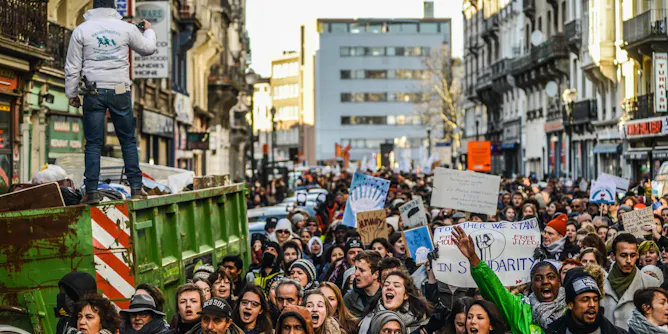
The 2015 reception crisis had a profound impact on civil society in Europe. A significant set of attitudes and practices emerged that give a sense of what political participation means today.
Articles on Greece
Displaying 81 - 100 of 347 articles
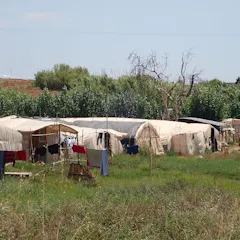
Greece is the 10th largest exporter of strawberries in the world, but evidence shows that success is due to captive migrant farm labour who work in precarious, unsafe and unhealthy conditions.
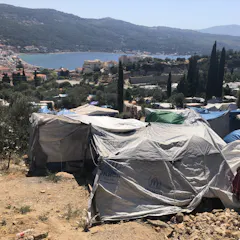
The new Greek government is putting in place new measures to stop the flow of refugees crossing the Aegan Sea.

Russia’s influential position as Europe’s main supplier of natural gas is under threat from new discoveries.

The road ahead remains rocky for Greece’s newly elected prime minister.
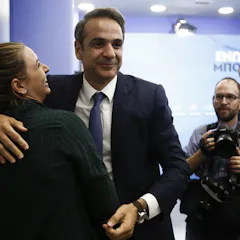
Ten years after the onset of Greece’s biggest crisis since World War II, radical populism is running out of steam.
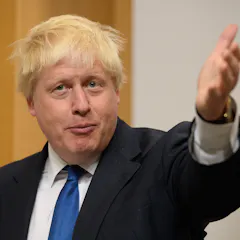
It’s hard to say if, legally, not paying the Brexit bill will classify as a sovereign default. But credit agencies will take serious notice.
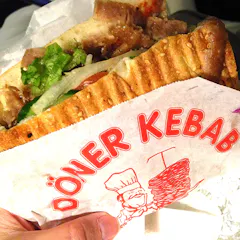
While thought of as an unpretentious fast-food dish, the doner kebab is a symbol of the social, political and identity issues facing European society today.
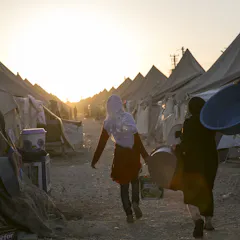
Financial support for refugees is underpinned by conditions that can exclude those who want to live as independently as possible.
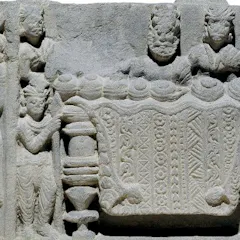
Stories passed down from the ancient world tell of self-powered machines able to move on their own – robots – playing key roles in historic moments.
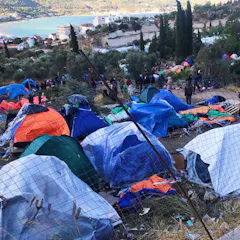
A refugee reception centre on the Aegan island of Samos is overwhelmed, leaving people in desperate conditions.
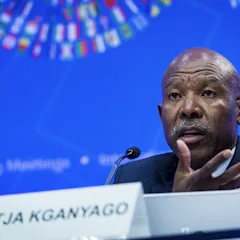
There’s an assumption that a change of ownership would automatically mean a change in the role the Bank plays
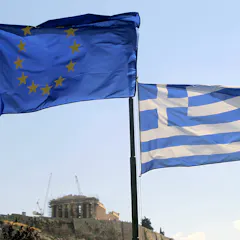
A lesson from Greece on why driving a hard bargain with the EU does not end well.

New research into the Greek crisis from 2012-16 compared how tweets and traditional news affected bond yields among countries in the eurozone peripheries.
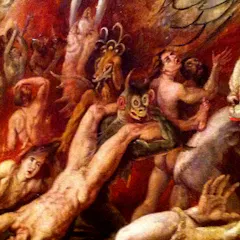
Hell-themed Halloween attractions play on people’s fears. The early depictions of hell were meant to use fear as a moral guide to help others.

The Greek model of supporting the arts is both old and ongoing; it embraces difference and internationalism and believes art is the cornerstone to civil society. We should learn from that model.

Through his art and his travels, 19th-century French Romantic painter Eugène Delacroix sought to understand the chaos of an era he called ‘the century of unbelievable things.’
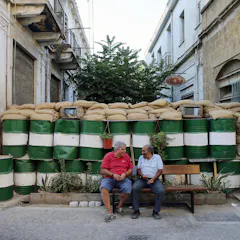
Decades of top-level talks have failed to produce a solution. So why not get citizens involved?
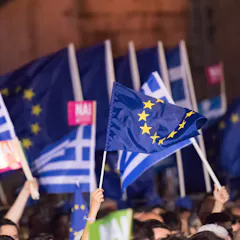
The strict nature, implementation and dramatic social costs of the EU bailouts prompt questions about their effectiveness.
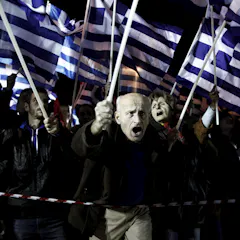
As we try to understand how extreme groups win mass appeal, this organisation offers valuable lessons.
Top contributors
-

Professor of Business Ethics, Warwick Business School, University of Warwick
-
School of Social Sciences, Monash University
-
Professor of Finance, University of Liverpool
-
Honorary Professor, Department of Economics, University of Stirling
-
Principal and Vice Chancellor, University of Glasgow
-
Senior Lecturer in Law, University of Westminster
-
Dean of Business School, University of Southern Queensland
-
Professor of Social Anthropology, Vrije Universiteit Amsterdam
-
Professor of Economics, University of Athens
-
ARC Laureate Fellow, Scientia Professor of Law, UNSW
-
Associate Professor in International Politics, University of Birmingham
-
Senior Lecturer in Politics and International Relations, University of Liverpool
-
Reader in Economics, Cardiff University
-
Professor of Economics, Skidmore College
-
Associate Professor of Economics, Western Sydney University