
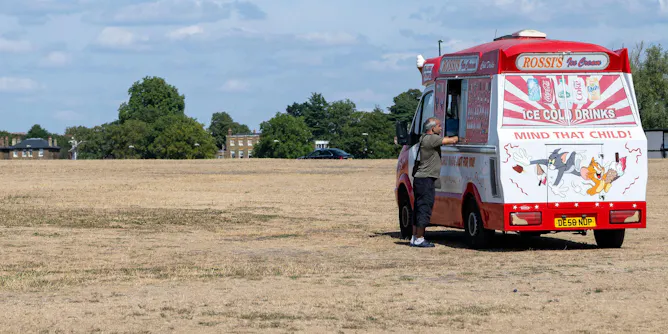
As summers get hotter and drier, it’s time to rethink what parks and gardens should look like.
Articles on Grass
Displaying 1 - 20 of 30 articles

The new playing fields are rolling out in stadiums from Mexico to Canada. Creating the perfect pitch in very different climates requires the right grasses and some creative tricks.
Decades of experimentation revealed slow ecological processes and long-term interactions that have international scientific value.
The Grassland Society of Southern Africa has been conducting scientific research for 60 years, adapting to new challenges.
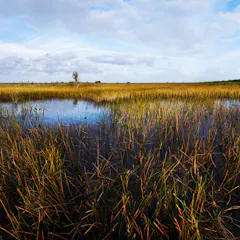
Changes to the landscape and pollution have harmed this vital ecosystem known as the ‘river of grass.’
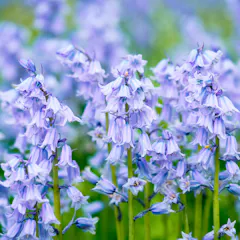
The size of DNA cells between the biggest and smallest genomes varies by as much as 10,000 times.
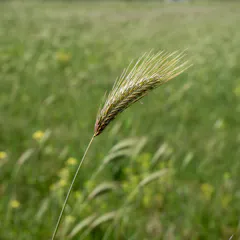
Foxtails can hook onto your pet’s skin and may cause redness, swelling and infection.

Oh, yeah, and there’s a game, too.

Two days after Rodgers’ injury, the NFL players union called on the league to convert all playing fields to natural grass.
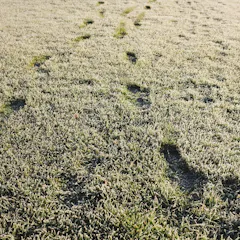
Different grasses respond to and cope with winter in different ways.

Studies in Yellowstone National Park show plant matter (mostly grass) is found in up to 74% of wolf scats, suggesting the behaviour may be inherited from the beginning of doggy time.
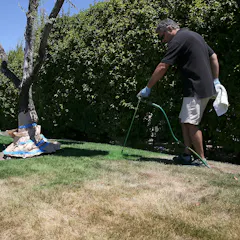
The ideal of perfect turf – a weed-free, supergreen monoculture – is a relatively recent phenomenon.
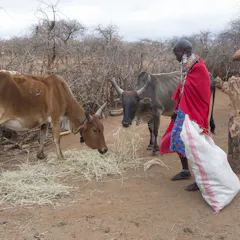
Improving the diets of livestock in Africa provides a rapid pathway to increasing nutrition for people.

Plant care advice abounds on TikTok, Twitter, Instagram and YouTube – but not all of it is good. A plant expert debunks four common recommendations.

During heatwaves, the highest temperatures are often found in urbanized areas. Small green spaces are often overlooked as a way to cool urban areas.

This grass may hold the key to improving milk yields from cows kept by small-scale farmers across the African continent.

If species already modify their genes, why shouldn’t we?
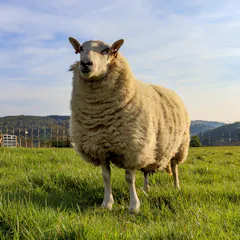
Recent summers have offered a taste of things to come for Welsh farmers.
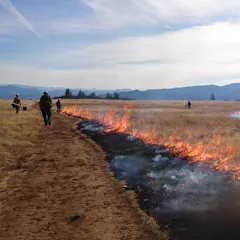
Along with climate change and drought, invasive grasses are promoting wildfires across the US, even in areas that don’t normally burn.
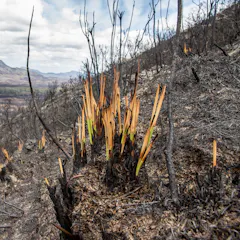
Not only can plants survive fire, they can use the experience of being burned to prepare themselves for future blazes.
Top contributors
-

Research Fellow, School of Biosciences, University of Sheffield
-
Professor in Molecular Ecology, Bangor University
-
Senior Researcher, Agricultural Research Council - Animal Production, University of KwaZulu-Natal
-
Postdoctoral Research Officer, Bangor University
-
Associate Professor of Neurology, University of Pittsburgh
-
Professor in Biodiversity and Conservation, The University of Queensland
-
Lecturer in Landscape Architecture, RMIT University
-
Postdoctoral fellow, Decision Science, The University of Queensland
-
ARC Future Fellow, Queensland University of Technology
-
Professor in Terrestrial Ecology, Deakin University
-
PhD Candidate, Conservation Biology, The University of Queensland
-
Research Fellow in Plant Ecology, The University of Melbourne
-
Postdoctoral Researcher, UMass Amherst
-
Assistant Extension Educator and Director, UConn Plant Diagnostic Laboratory, University of Connecticut
-
Professor in Conservation Science, School of the Environment, The University of Queensland