

If you find help messages from factory and delivery workers in your presents this season, how should you respond?
Articles on Globalisation
Displaying 101 - 120 of 193 articles
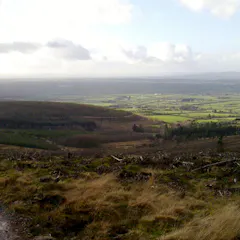
The big cities are still magnets for tourists, but often they find the smaller towns offer a more satisfying taste of local life. It’s why rural tourism can be ‘the perfect small town business idea’.
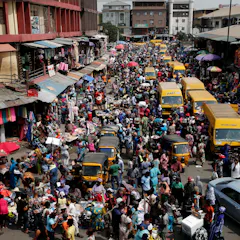
Governments must understand that the factors making cities convenient and productive also make their residents prone to obesity. They must confront this challenge with intelligent, focused policies.
Putting money into the hands of local communities will be a more useful antidote to the whims of world capitalism.

How can we sort out the crisis of contemporary democracy?
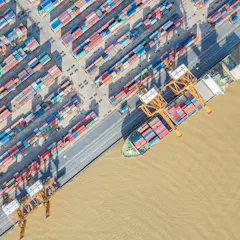
Crunching the numbers on 14 years of trading shows one of the assumptions about global markets is looking fragile.
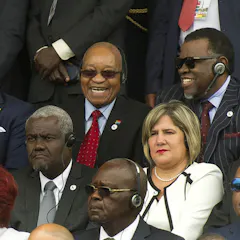
Raising the status of the African languages to that of official languages in South Africa post-1994 led to an explosion of translation and interpreting work in local and foreign languages.

The globalisation of higher education and what it means for students.
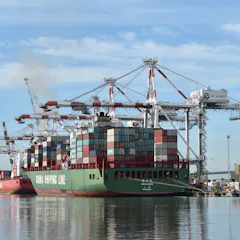
There are two ways that international competition can reduce wages. Both are effects of globalisation.
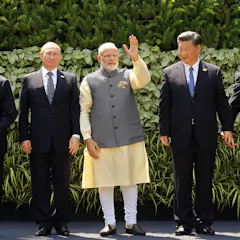
The sub-imperial formation called BRICS, which pretends to be a progressive global force could be divided by a series of crises.

Black Blocs sprung from an anarchist movement in western Germany. Anti-capitalism and anti-government, the original Black Blocs marched against nuclear energy and neo-Nazis.

They survived the pressures of globalisation and now thrive internationally.
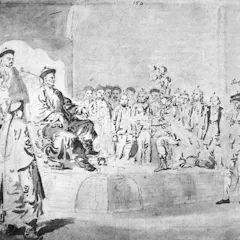
What can we learn from the 19th-century Qing dynasty?

The term “meme” was coined in 1976. Today, these cultural artefacts have gone viral, and are redrawing the boundaries of acceptable political discourse.
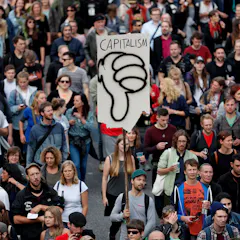
Differences in attitudes toward globalisation makes cooperation between the world’s leading economies extremely difficult.
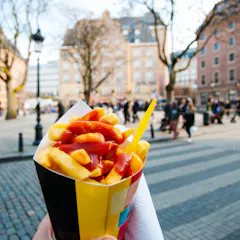
Expecting tourists to pay a little more than locals is defensible – whether in Bruges, Venice or Thailand.
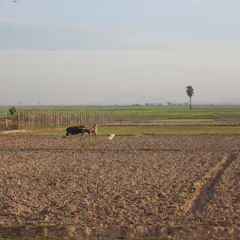
Intensified rice production in Cambodia’s dry season is wreaking havoc on local bird populations.

With no guarantee of work or pay, is the stress of flexible work contracts affecting the health of workers?

Communities and indigenous people would like to conserve forests, nature and biodiversity. But their priority, like that of most people, is improving their own well-being and that of their children.

Today’s ugly politics are not a backlash against global capitalism, they’re an open embrace of the racism and greed that has always underpinned so-called global governance.
Top contributors
-

Honorary Research Fellow, City Political Economy Research Centre, City St George's, University of London
-
Professor of Management, University of Bristol
-
Professor of Management, University of Essex
-
Professor of Economics, Salisbury University
-
Associate Professor, Technology and Innovation, University of Technology Sydney
-
Founding Director, Institute for Sustainability, University of Surrey
-
Director & SARChI Research Chair: Political Economy of Migration in the SADC Region, University of Pretoria
-
Emeritus Professor of International Relations, La Trobe University
-
Professor of Globalisation and Development; Director of the Oxford Martin Programmes on Technological and Economic Change, The Future of Work and the Future of Development, University of Oxford
-
Research Associate, Southern Centre for Inequality Studies, University of the Witwatersrand, University of the Witwatersrand
-
Head of Politics, Sheffield Hallam University
-
Senior Visiting Fellow, City St George's, University of London
-
Professor of International Relations and International Development, Department of International Relations, University of Sussex
-
Human Geography Researcher, Aberystwyth University
-
Research Fellow, Conflict Analysis Research Centre, University of Kent