
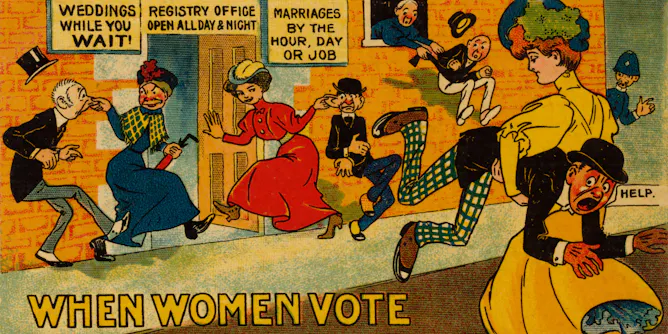
As long as women continue to write, read and reimagine the world, novel reading will remain a vital site of feminist resistance and possibility.
Articles on Germaine Greer
Displaying 1 - 20 of 24 articles
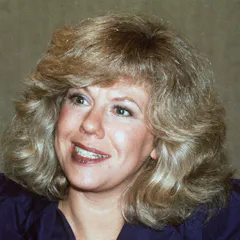
Erica Jong’s 1973 novel about one woman’s sexually daring search for freedom changed lives, and sold around 35 million copies. Though her racism now shocks, much of the book speaks to our moment.
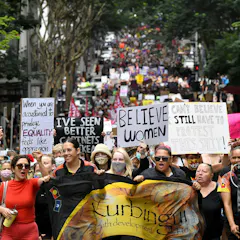
We’re used to describing feminism in ‘waves’, from the first in 1848, campaigning for women to vote, to the current fourth wave, in the age of #metoo. But do waves still work to describe feminism?

In 1972, 5 women – Helen Garner, Claire Dobbin, Evelyn Krape, Yvonne Marini and Jude Kuring –spent 5 months workshopping a play. Frank, angry and explicit, it was a beacon of 1970s women’s liberation.
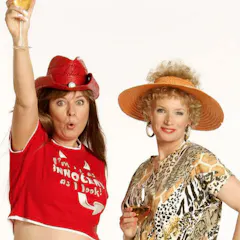
Long regarded as guardians of morality, women who swore were often policed and punished. But whether protesting or parodying, they have used bad language in creative ways.
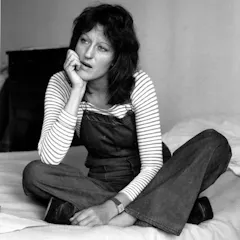
First published in October 1970, The Female Eunuch has never been out of print.
Universities need to protect people with different ideas.
We need to know more about what is going on for women in sex – what makes them suffer and what gives them pleasure.
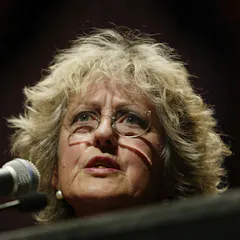
The republic of letters was an intellectual community that took shape in the Enlightenment. And just like writers’ festivals, it had rules about who could speak.
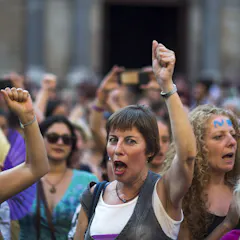
Germaine Greer’s recent comments about the punishments for rape show the need for more complex, evidence-based discussions about trauma and the criminal justice system.
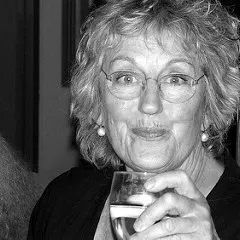
The author and academic makes some valid points about rape, but to decriminalise it, as she suggests, fails to recognise bodily autonomy as a key marker of humanity to which women are entitled.
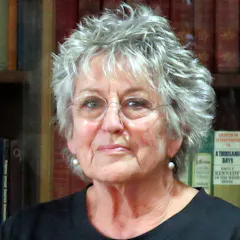
Germaine Greer’s recent comments on rape are troublingly glib.
Essays On Air: Reading Germaine Greer’s mail
The Conversation24.4 MB (download)
The Germaine Greer Archive offers a powerful, often amusing, sometimes perplexing glimpse into the lives of people affected by her work, as well as the many faces of Greer herself.
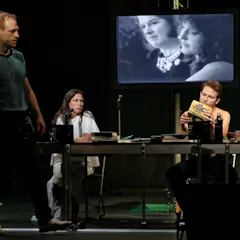
The Town Hall Affair is a recreation of a 1971 debate between Germaine Greer and other feminists and Norman Mailer. It feels exceptionally prescient in 2018.
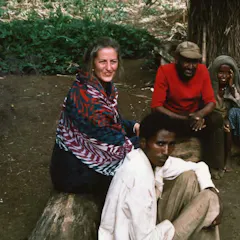
One of the least recognised aspects of Germaine Greer’s professional life is her international career as a journalist. It spans reportage in Vietnam and Ethiopia and interviews with figures such as Primo Levi.
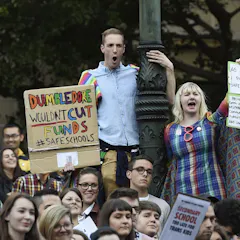
From William Chidley to Germaine Greer Australia has spawned more than its fair share of radical thinkers about sex, and Australians have often embraced their ideas, despite persecution by officialdom.
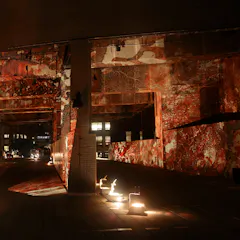
Contemporary artists from Judy Chicago to Stelarc have made art from blood. And an exhibition at Melbourne’s new Science Gallery addresses our ambivalent attitudes to this life-giving fluid.

Fifty years of correspondence is stored at the Germaine Greer archive. It ranges across topics as diverse as US politics, grassroots feminism, gardening and Queen Victoria’s underpants.
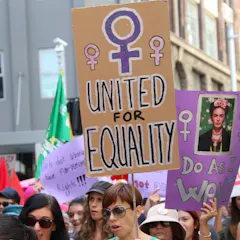
The famous slogan of the 1970s that ‘women who want equality with men lack ambition’ still rings true today.
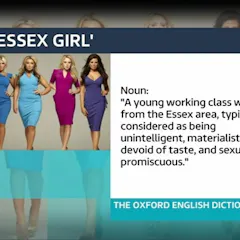
It’s time we retired this misogynistic stereotype.
Top contributors
-

Honorary research associate, The University of Melbourne
-
Sessional academic, Department of Media, Communications, Creative Arts, Language, and Literature, Macquarie University
-
Assistant Archivist, Germaine Greer Archive, The University of Melbourne
-
Director, Vice-Chancellor's Centre of Public Ideas (CoPI) and Donald Horne Professor of History and Public Ideas, University of Canberra
-
Curator of Scientific Collections, University of Cambridge
-
Commissioning Editor, Health + Medicine and Host of Strange Health podcast, The Conversation
-
Writer, University of Westminster
-
Winthrop Professor of English, The University of Western Australia
-
Associate Professor, History, Macquarie University
-
Professorial Fellow, School of Culture and Communication, Faculty of Arts, The University of Melbourne
-
SSHRC Postdoctoral Fellow in English and Cultural Studies, McMaster University
-
Associate Professor, Flinders University
-
Professor, RMIT University
-
Professorial Fellow, Jumbunna IHL, University of Technology Sydney
-
Associate Professor, MBA Director, University of Tasmania