
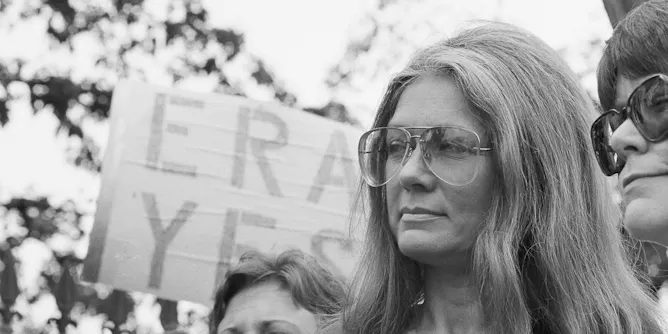
Feminist scholar Rebecca Sullivan says meeting Gloria Steinem was a highlight of her career. Here, she reflects on everything she gave us, but also how she may have overshadowed other feminists.
Articles on Second-wave feminism
Displaying all articles

The journalist, author and activist has died aged 92. She spent more than 60 years setting feminist torches alight the world over.
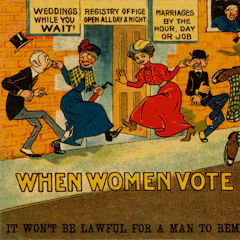
As long as women continue to write, read and reimagine the world, novel reading will remain a vital site of feminist resistance and possibility.
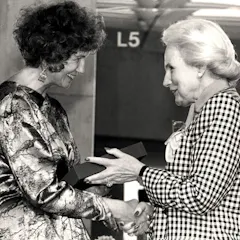
An essay by Alice Munro’s daughter about childhood sexual abuse has forced a reckoning with the legacy of the feminist icon and writer acclaimed for her ability to give voice to women’s lives.

In 1970, Sexual Politics explained why sexual relationships – and indeed sex itself – are political. ‘The world was sleeping,’ wrote Andrea Dworkin of this book. ‘And Kate Millett woke it up.’
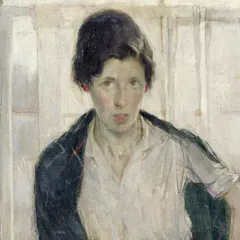
This new pocket-sized book is an excellent place to begin an education about the women who have contributed to the history of western art.
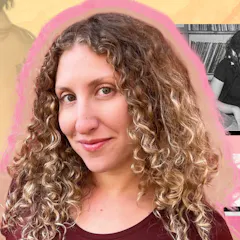
Nona Willis Aronowitz, daughter of a second-wave feminist, ranges across the contemporary sexual landscape – and looks back at the history of feminism – in a ‘zig zag pursuit of sexual liberation’.
Second-wave feminist Shulamith Firestone was mocked when she published a 1970 manifesto advocating artifical wombs, but her arguments about the exploitation of reproductive labour remain timely.
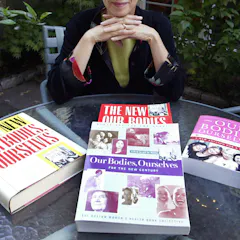
Like their predecessors, today’s feminists can get mired in disagreements over strategies and goals. The celebrated feminist text suggests a more constructive approach.

The US election has exposed deep divisions between older and younger feminists. Women have shamed Hillary Clinton as every kind of bad feminist.

Talk of ‘women’s issues’, such as childcare, both accepts they are less important than other issues and assumes they have no universal value.
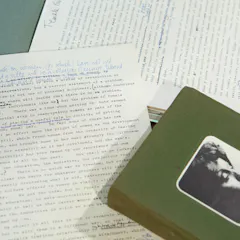
The Greer archives brim with notebooks and papers from her time as a student of the traditional humanities. And reading The Female Eunuch for evidence of the Bard reveals a new kind of book, one that is deeply informed by this scholarship.

The second-wave feminists of the 1970s wanted to create radical shifts in gender power. Instead, women have settled for much less.
Top contributors
-

Professorial Fellow, Jumbunna IHL, University of Technology Sydney
-
Professor in History, University of Wollongong
-
Professor, Gender and Sexuality Studies, University of Calgary
-
Principal Lecturer in the Humanities, University of Brighton
-
Professor of Communication Studies, University of Montana
-
Professor Emerita of History, University of Sydney
-
Senior Lecturer in Literature and Cultural Studies, University of East London
-
Associate Professor, School of Humanities and Languages, UNSW
-
Honorary research associate, The University of Melbourne
-
Lecturer in Fine Art, Manchester Metropolitan University