

Studying the mineral olivine in kimberlite sheds some light on diamond origins.
Articles on Gemstones
Displaying all articles
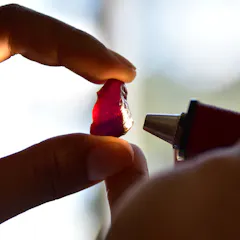
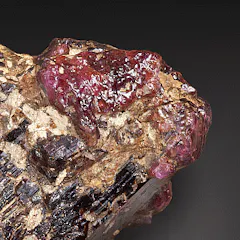
Even though emeralds and rubies are very different colors, they both have the same secret ingredient in their atomic structure.
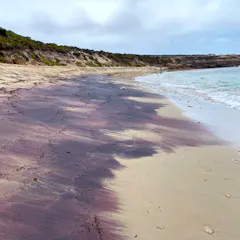
The hunt for the origin of garnet crystals found on South Australian beaches took researchers thousands of kilometres and half a billion years back in time to a hidden Antarctic mountain range.
‘Gemstones are the earth’s creation, but they are a human fascination.’
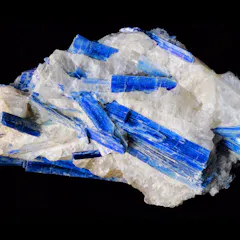
There are a lot of myths about crystals − for example, that they are magical rocks with healing powers. An earth scientist explains some of their amazing true science.
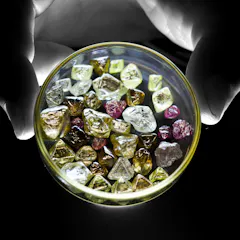
More than 90% of the world’s pink diamonds came from a single mine that closed in 2020. Geologists are only now beginning to understand the forces that create the rare, highly prized gems.
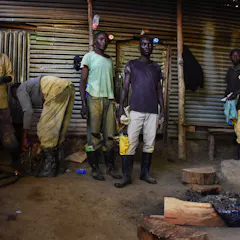
The COVID-19 pandemic has accentuated the existing challenges facing artisanal and small-scale mining in Kenya.

Manufacturing minerals is an expanding field of study. Making more of them could help alleviate various pressures faced by our growing population. But how are they made, and where can they be used?
Male monks were not the sole producers of books throughout the Middle Ages.
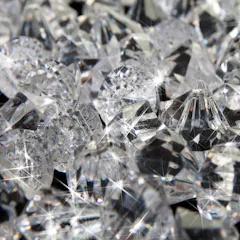
Whether forged by geological processes or laboratory techniques, diamonds are diamonds. Their unique properties mean they have applications that are not bling-related as well.
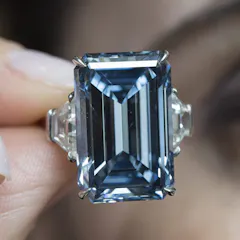
Some diamonds come from depths of more than 650km. Tiny imperfections in these gems give us clues about what’s happening in Earth’s hidden geological layers.

Zirconia is a mineral with a crystal structure made from the elements zirconium and oxygen. It looks pretty like diamond, but is only worth a fraction of the value.
What makes a stone a gem? It boils down to a few key qualities: beauty and durability. But opal, the national gemstone of Australia, is an anomaly - it’s soft.
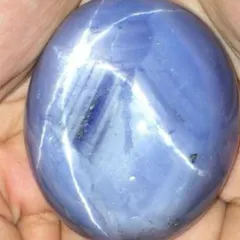
The world’s biggest known sapphire was formed and shaped by natural processes millions of years ago.
Top contributors
-

Research fellow for Southern Pacific Archaeological Research, University of Otago
-
Professor, Adelaide University
-
Senior Curator (Mineralogy) at the Queensland Museum and Lecturer, The University of Queensland
-
Associate Professor, Fashion History, De Montfort University
-
Associate Professor, School of Earth and Planetary Sciences, Curtin University
-
Associate Professor of Anthropology, Harvard University
-
Professor in Earth Sciences, Nanyang Technological University, Singapore, and Emeritus Professor of Mineral Physics, University of Cambridge
-
Lecturer in Geosciences, University of Montana
-
Wellcome Trust Research Fellow in Medical Humanities, University of York
-
Manager of the Molecular Characterization and Analysis Complex, University of Maryland, Baltimore County
-
Lecturer in Geology, Adelaide University
-
Research Fellow, School of Earth and Planetary Sciences, Curtin University
-
Principal Research Fellow/ Group Leader- MIWATCH, The University of Queensland
-
Principal Research Fellow, The University of Queensland
-
ARC Future Fellow at the Earth Dynamics Research Group, Curtin University