

Labour’s share of national income has declined since the 1970s, but there is no sense of any permanent trend.
Articles on GDP
Displaying 81 - 100 of 346 articles
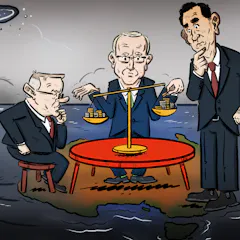
Australia’s economy grew unusually strongly in the year to June, when interest rate increases were yet to bite.

Why tax cuts are unlikely to help Britain address its current crises.

Amid the global threats posed by climate change, spiralling energy costs, insecure employment and widening inequality, the need to rethink our notion of progress is now an urgent priority.

The treasurer promised a “confronting” economic statement, but it held out hope of only a short spike in inflation and a recovery in real wages.
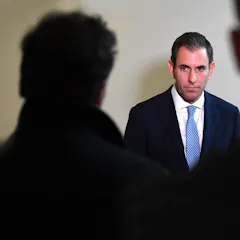
From October, Australia will start routinely quantifying the benefits as well as costs of federal spending. It’s already shaping up as the new treasurer’s most important legacy.
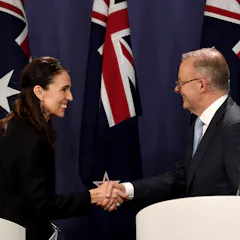
What is a well-being budget? It’s a process that seeks to set consistent long-term priorities, instead of changing priorities according to political expediency.

Our research shows that although climate change is a key factor in starting conflict in eastern Africa, it’s not always the most important one.

Research shows new tech announcements have a real, immediate impact on the economy. How can we apply this to economic news
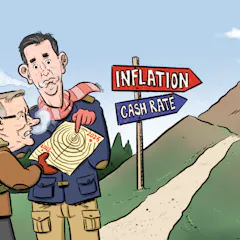
The panel believes Australia will avoid a recession the year ahead, but is much less certain about the United States. It expects real wages to go backwards and economic growth to sink.
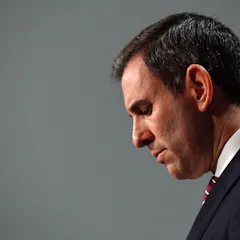
Australia’s treasury helped inspire NZ and other governments to adopt well-being budgets – now, years later, we look set to get one too. So what are the challenges ahead?

While demand for subsidised services is high and rising, many parts of the system need improvement. The federal budget can’t solve these problems by placing the entire burden on taxpayers.
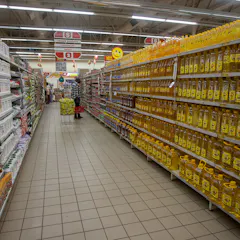
It is hard to fathom how Nigeria’s Central Bank interest rate increase would benefit most Nigerians.
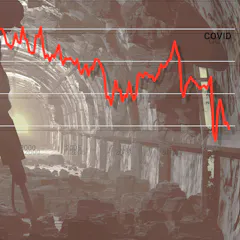
New figures show economic growth edged closer back towards normal in the months to March, but the gains went to profits rather than wages.

There are a number of reasons why Ghana’s domestic borrowing is more expensive than foreign debt.
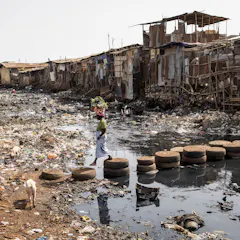
Although there is strength in diversity, members of ethnic groups in power distributing resources to members of their ethnic group at the expense of national growth entrench poverty in Africa.
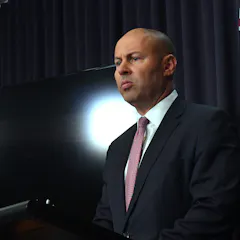
The March 29 budget will contain “targeted and proportionate” help for families with cost of living pressures and move fiscal policy towards stabilising and reducing debt.
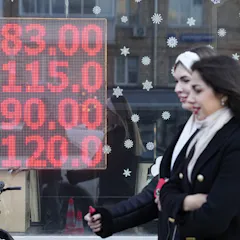
With Russia’s “great power status” tied closely to economic power, the country’s crumbling economy is putting Putin’s claims to legitimacy at risk.

Away from the states bouncing out of lockdown, spending growth was weak. The next figures, to be released after the election, might show the economy turning down.

It’s time to complete the picture and recognize public expenditures on supports for family caregivers as social investments in the well-being of individuals, families and communities
Top contributors
-

Visiting Fellow, Crawford School of Public Policy, Australian National University
-
Scientia Professor of Economics, UNSW
-
Senior lecturer, Canberra School of Government, University of Canberra
-
Professorial Fellow, University of Canberra
-
Founding Director, Institute for Sustainability, University of Surrey
-
Professor of Economics, University of Canberra
-
Professor of Economics & Business, Allegheny College
-
Dean of Business School, University of Southern Queensland
-
Director, Centre of Policy Studies, Victoria University
-
Associate Professor, School of Economics, University of Sydney
-
Emeritus Professor of Economics (Griffith University) and Teaching Associate (University of Queensland), Griffith University
-
Director and Professor, Australia-China Relations Institute (UTS:ACRI), University of Technology Sydney
-
Associate Professor in International Macroeconomics, Cambridge Judge Business School
-
Lecturer in Economics, University of the Witwatersrand
-
Professor, School of Economics, The University of Queensland