
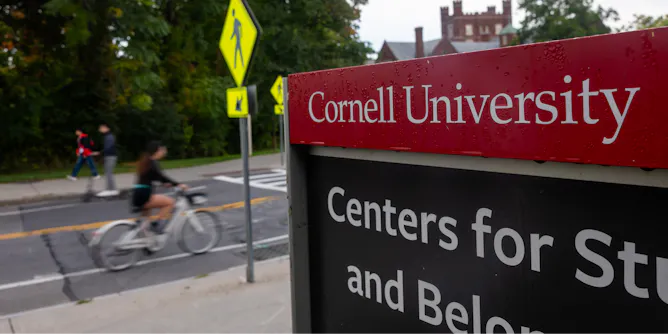
While universities can suspend and expel students for committing sexual violence and other kinds of illegal misconduct, they face logistical and financial limits to preventing such behavior.
Articles on Fraternities
Displaying all articles

‘Affinity’ graduations have drawn the scorn of some conservatives, but research suggests they serve a vital function for students of color.
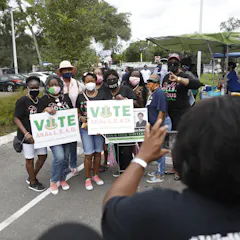
Members of the nation’s four Black sororities, including Vice President Kamala Harris, commit to lifelong acts of service for their communities.
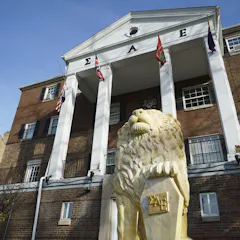
Colleges and universities have banned fraternities from campus to stave off problem drinking and hazing incidents. But a researcher says those problems are deeper than any campus ban can solve.

Another student has died due to hazing. Research shows that there has been at least one such death in the US since 1954 (with 1958 the only exception). So why does hazing happen in the first place?

With the fall term underway and an ongoing case over the death of a Penn State pledge in February, colleges are trying once again to figure out why hazing happens and what should be done to stop it.
What are the race-related struggles that African-American students experience throughout their school years? Here’s the story of Tyrone.
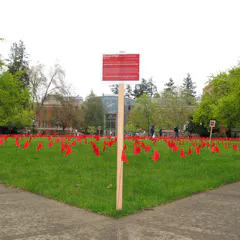
A recent analysis found nearly 100 colleges and universities reported at least 10 cases of campus rapes in 2014. Research shows 20 percent of women students experienced unwanted sexual contact.

Students are going back to their campuses, and ought to be aware of the danger.

At the root of today’s racial troubles on campuses is the past, when most American universities were intimately connected to slave trade and slavery. Harvard, Princeton, Brown were no exception.

Racial tensions on college campuses may not be much different for today’s students from what they were even 36 years ago, argues associate professor of history at University of Oklahoma.
Top contributors
-

Author, Emeritus Professor of Journalism, Franklin College
-
Professor of Law, Georgia State University
-
Associate Professor of History, University of Oklahoma
-
Professor, University of Michigan
-
Assistant Professor of Higher and Postsecondary Education, Arizona State University
-
Assistant Professor of Educational Administration, University of Nebraska-Lincoln
-
Visiting Assistant Professor, Higher Education & Student Affairs, University of Connecticut
-
Executive Dean and Professor of Psychology, University of North Texas
-
Professor of History and African American Studies, Northwestern University
-
Associate Professor of Education, Old Dominion University