
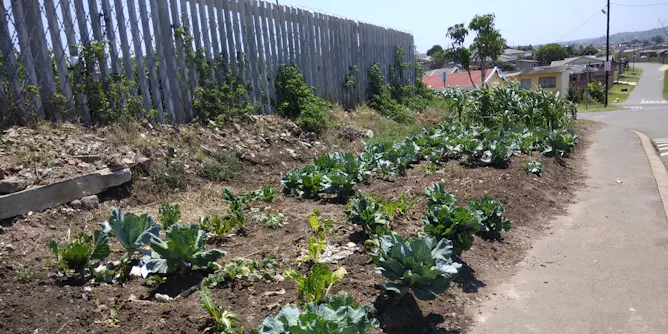
South African cities could create dedicated spaces where picking indigenous plants is safe.
Articles on Foraging
Displaying all articles
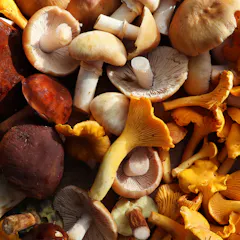
Two ethnobiologists at Penn State surveyed over 800 mushroom harvesters in the mid-Atlantic region to understand what they’re hunting and why.
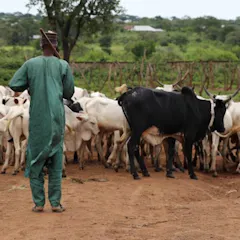
Blending livelihood strategies based on what works at different times in specific environments has been key to human survival for thousands of years.
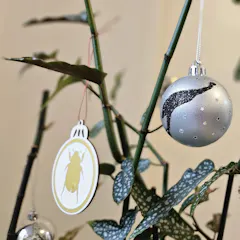
Let’s cast the holly, snowmen and reindeer aside to decorate our homes with Aussie Christmas crafts instead. How about Christmas beetle baubles, paper parrots and ornamental echidnas?
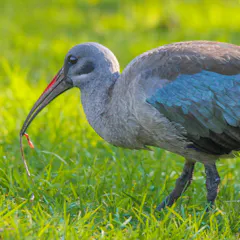
Africa’s hadeda ibises can sense vibrations using a special sensory organ in their beaks. But they need moist soil for it to work.
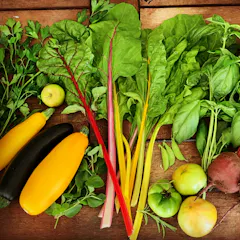
As the cost-of-living crisis bites into our household budgets, growing or foraging food can save you money.

It’s mushroom season in many parts of Australia. Here’s what you need to know before you go foraging.

Scientists are learning that diversity has many perks – whether in multispecies groups of animals or human society.
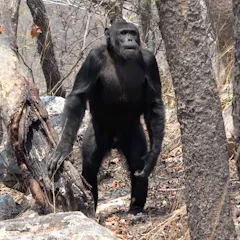
Almost all theories of human bipedalism explain it as a terrestrial adaptation. A new study does not support that view.
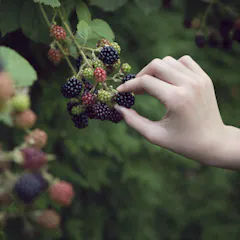
If you ever feel like you can’t stop eating sugar, you are responding precisely as programmed by natural selection. What was once an evolutionary advantage has a different effect today.
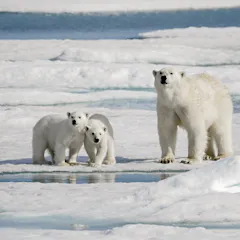
Polar bears are being forced to adapt their feeding habits due to climate change – so reports of summer scavenging, foraging and terrestrial hunting are unsurprising.
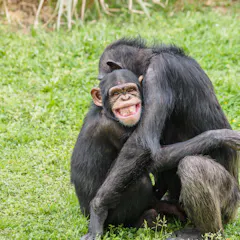
We studied 8,000 primate teeth and finally confirmed that humans are not the only living primate to suffer from cavities. But there are interesting differences.
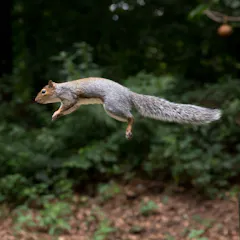
How do squirrels leap through trees without falling? It takes strength, flexibility and finely tuned cognitive skills.
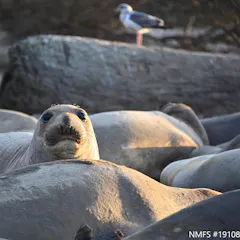
By measuring how and when elephant seals sleep, researchers were able to figure out how elephant seals change their risk-taking behavior as they gain weight.
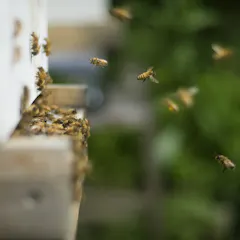
New research suggests individual bees are born with one of two learning styles – either curious or focused. Their genetic tendency has implications for how the hive works together.
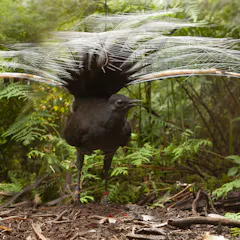
The Superb Lyrebird is famous for its song and dance, but what is less known is their extraordinary role as world-class ecosystem engineers.
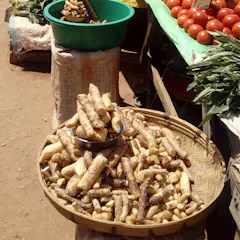
Lusala, a wild yam that many in Zambia rely on for consumption and trade, is gradually taking longer to find due to deforestation.

In a world where products are just a few clicks away, foragers continue to seek out their food.
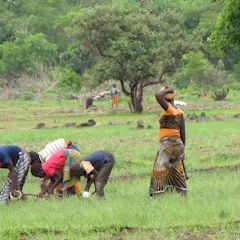
Foraging and gathering food can play a huge role in feeding people.
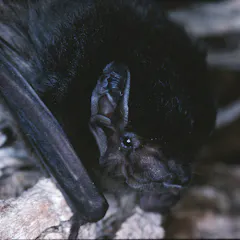
Bats fascinate me. So, naturally, does their diet. Recent research showed that bats made “feeding buzzes” over saltmarsh habitats. These habitats are full of mosquitoes and this specific buzz is made only…
Top contributors
-

Honorary Research Fellow, Marine Ecology, Bangor University
-
DeWitt Wallace Professor of Geography, Director of Food, Agriculture & Society Program, Macalester College
-
Research Fellow in Biological Anthropology, Monash University
-
Assistant Professor in Biology, Marquette University
-
Researcher, Southern Cross University
-
PhD candidate, University of Reading
-
Professor of Crop Production, University of Reading
-
Professor of Integrative Biology, University of California, Berkeley
-
Emeritus Professor in Ecology, La Trobe University
-
Asso. Professor in Anthropology, University College London, UCL
-
Associate professor, University of California, Merced
-
Postdoctoral Fellow in Geography, University of Cambridge
-
Conjoint Associate Professor in Clinical Pharmacology and Toxicology, St Vincent’s Healthcare Clinical Campus, UNSW
-
Professor and Associate Head of Psychology, University of Tennessee
-
Clinical Associate Professor, School of Medical Science & Sydney Infectious Diseases Institute; Principal Hospital Scientist, University of Sydney