

Butter and margarine are both made up of long fatty acid chains, but some slight chemical differences mean differences in how they melt.
Articles on Food processing
Displaying all articles

A quarter of baby food shelf space is now pouches but their convenience may come at a cost to babies’ health.
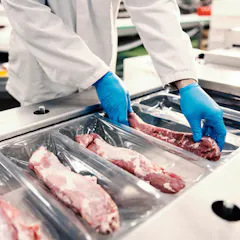
Canada’s beef processing sector heavily depends on low-wage immigrant and temporary migrant workers, exploiting them to sustain a workforce that is less likely to push for better working conditions.
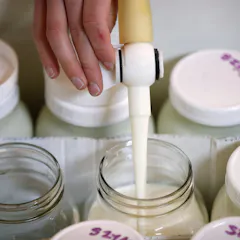
Raw milk has always carried the risk of serious illness, and this risk has only risen with bird flu spreading across dairy farms in the US.

Cassava’s many assets would seem to make it the ideal crop, except for one drawback: It’s highly poisonous. Human ingenuity has made cassava edible for millennia.
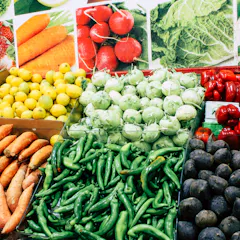
The inequitable distribution of the benefits and harms of the food system is a violation of the constitutional right to food.
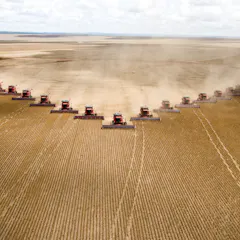
A new study finds that by 2030, less than one-third of the world’s major crop harvests will go directly to feed people.

South Africans should not panic about the food system. But authorities will need to act swiftly and assertively to restore stability.
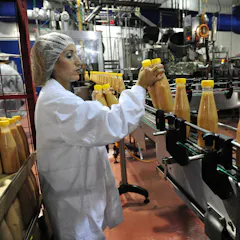
Pickers, purifyers and producers are all working flat out.
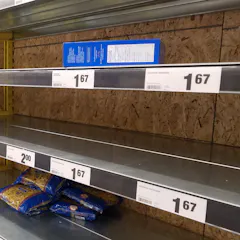
Using innovative technologies like Bitcoin and automation can help protect our food supply chains from disruptions like the one caused by the current coronavirus pandemic.
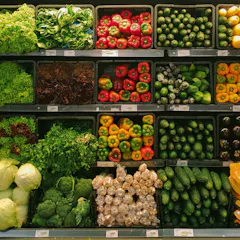
Food is essential to survival. It is also essential to identity. During times of national crisis like the coronavirus pandemic and in the historical landscape, food issues become prominent.

Considering language from a biological perspective led researchers to the idea that new food processing technologies affected neolithic human beings’ jaws – and allowed new language sounds to emerge.
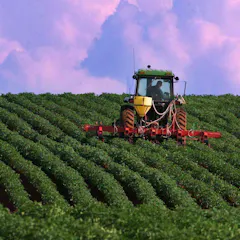
Canada does well growing crops and raising livestock, but it’s missed the boat in developing its own popular food brands. As preferences change, Canada has a chance to shine in the agri-food sector.
African countries, like Nigeria and Ethiopia, increased their food production using a system-wide approach, and not the traditional reliance on isolated projects.

The minimum wage is rising in many parts of Canada, but it masks the impact of seismic changes to the agriculture, food and retail industries brought about by new technologies.
The demand for agricultural products in Africa is expected to rise over the next 35 years due to factors such as population growth, urbanisation, economic growth and changing diets.

Division between the have and have nots is likely to widen – and food is one area where many will go without.

Food labels seem to provide all the information a thoughtful consumer needs, so counting calories should be simple. But things get tricky because food labels tell only half the story. A calorie is a measure…
Top contributors
-

Director, Agri-Food Analytics Lab, Professor in Food Distribution and Policy, Dalhousie University
-
Senior Lecturer in Geography, University of Sheffield
-
Senior Analyst, University of Pretoria
-
Professor of the Practice of International Development, Harvard Kennedy School
-
Professor of Biological Anthropology, Harvard University
-
Senior Lecturer in Nutrition, Cardiff Metropolitan University
-
Professor and Dean, Faculty of Agricultural and Food Sciences, University of Manitoba
-
researcher, University of Cape Town
-
Assistant Clinical Professor in Nutrition and Dietetics, Mississippi State University
-
Professor of General Linguistics, University of Zurich
-
Professor and Dean, Faculty of Land and Food Systems, University of British Columbia
-
Professor of History, University of Regina
-
Professor, University of Minnesota
-
Professor of Food Science, Nutrition and Health Promotion, Mississippi State University
-
Assisstant Professor of Food Science, Nutrition and Health Promotion, Mississippi State University