

While genes do influence some food preferences, positive experiences can help make new tastes easier to swallow.
Articles on Food preferences
Displaying all articles
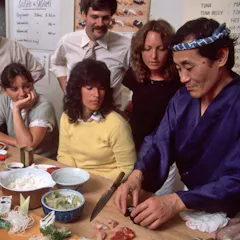
Past shifts in food habits suggest there are 2 paths to the adoption of new foods: One relies on familiarity and safety, the other on novelty and excitement.
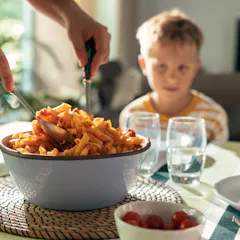
Meals can be a recipe for distress when children find recognising feelings of hunger and thirst, completing tasks, processing sensory input or social interactions challenging.
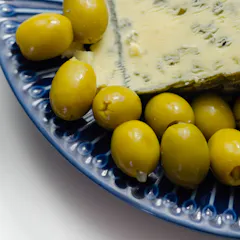
As kids, we’re naturally more likely to enjoy sweet and salty tastes and reject bitterness. But that changes as we grow older.

A quick energy source or a temporary relief from discomfort? Here’s what drives our food preferences when we’re sick.

Research is clear that what we eat can drive our test preferences as early as 2 years of age.
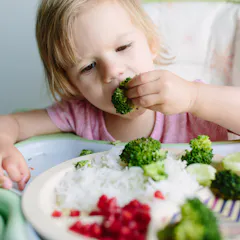
Your genes, your saliva and the bacteria that live in your mouth all shape how food tastes and what you prefer to eat.
Top contributors
-

Research Group Leader and Food R&D policy leader, CSIRO
-
Senior Research Scientist, Human Health, CSIRO
-
Research Fellow with the Grow&Go Toolbox, The University of Queensland
-
Assistant Professor, Faculty of Health Sciences and Medicine, Bond University
-
Principal Researcher, Public Health & Wellbeing Group, CSIRO
-
Associate Professor of Molecular, Cellular, and Developmental Biology, University of Michigan
-
Lecturer In Nutrition & Dietetics, University of the Sunshine Coast
-
Associate Professor of Philosophy, Hamilton College
-
Professor of Nutritional Sciences, Penn State