

Research shows for every 100 healthy adults vaccinated against influenza, 99 get no benefit.
Articles on Flu vaccines
Displaying 81 - 100 of 119 articles

The most effective way to improve flu vaccination rates among health workers in high-risk clinical areas and aged care facilities is to make it mandatory.
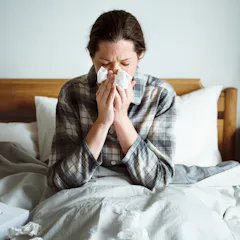
While not perfect, the seasonal flu vaccine is the best way to protect against influenza. There are a few changes to the flu vaccine and what is available this year. Here’s what you need to know.

Giving pregnant mothers the flu vaccine protected their babies from getting the flu in the first six months of life.

The flu vaccine isn’t perfect but it’s the best way to protect against these potentially harmful viruses. Most children aged six months to five years are eligible for a free vaccine in 2018.
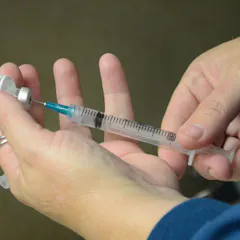
The 1918 flu pandemic has long puzzled those who study disease outbreaks. Why was it so severe? While that question is hard to answer, one thing is certain: Vaccines would have lessened the toll.

Two free flu vaccines will improve protection for the over-65s. FluZone High Dose is a high-dose version; Fluad adds an additional ingredient to boost effectiveness. But neither is perfect.
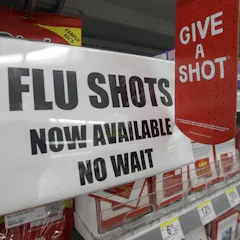
Flu virus mutates so quickly that one year’s vaccine won’t work on the next year’s common strains. But rational design – a new way to create vaccines – might pave the way for more lasting solutions.
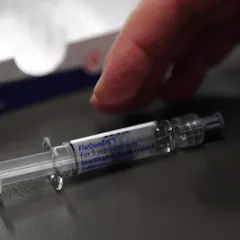
There are many flu strains, and those strains can also change and mutate.

After Australia’s tough flu season, some experts predict that the U.S. is in for a few difficult months. What does that mean for you?

By mid-August, the 2017 year had recorded more flu notifications across Australia than the previous five years. So why is the flu season so bad this time around?
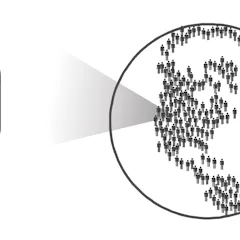
New genetic technologies are letting us look at flu evolution right where it starts: within individual people, while they’re sick.
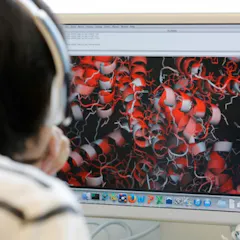
This antivirus software protects health, not computers. Researchers are beginning to combat deadly infections using computer-generated antiviral proteins – a valuable tool to fight a future pandemic.
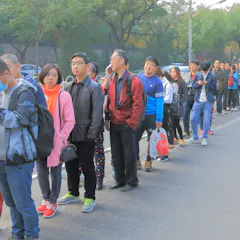
Australia needs to think about who gets the flu vaccine first before the next pandemic strikes and supplies run low.

As we head towards flu season, many people are wondering if it’s worth getting vaccinated against influenza and if so, when. Here’s what you need to know.

How is it the flu has managed to stay around for so long, and why haven’t we beaten it yet?

Most immunisation campaigns continue to primarily focus on infants and children, but almost 4 million Australian adults are not vaccinated against preventable diseases.
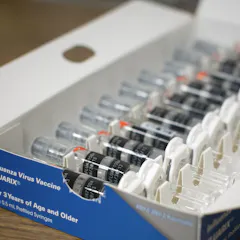
Flu virus mutates so quickly that one year’s vaccine won’t work on the next year’s common strains. But a new way to create vaccines, called ‘rational design,’ might pave the way for more lasting solutions.

Researchers are learning how HIV hides from the immune system to develop a new generation of vaccines for seemingly unrelated diseases, like the flu.

Public health experts enlist the molecular biology tools that create genetically modified organisms – as well as the GMOs themselves – in the fight against emerging infectious diseases.
Top contributors
-

Professor of Infectious Diseases, Monash University
-
Professor of Global Biosecurity, NHMRC L3 Research Fellow, Head, Biosecurity Program, Kirby Institute, UNSW
-
Professor of Nursing, Purdue University
-
Paediatrician, Infectious Diseases Physician and Clinical Microbiologist, The Kids Research Institute Australia, The University of Western Australia
-
Deputy Director, WHO Collaborating Centre for Reference and Research on Influenza
-
Professor Emerita of Biology, Indiana University
-
Professor, School of Population Health, UNSW
-
Professor of Virology, Imperial College London
-
Professor, The Peter Doherty Institute for Infection and Immunity
-
Adjunct Associate Professor of Epidemiology, University of California, Los Angeles
-
Adjunct Associate Professor, Faculty of Medicine
-
Professor, Discipline of Paediatrics and Child Health, University of Sydney
-
Distinguished Professor, Professor of Immunology, RMIT University
-
Ph.D. Candidate in Chemical & Physical Biology, Vanderbilt Vaccine Center, Vanderbilt University
-
Virologist, The University of Queensland