
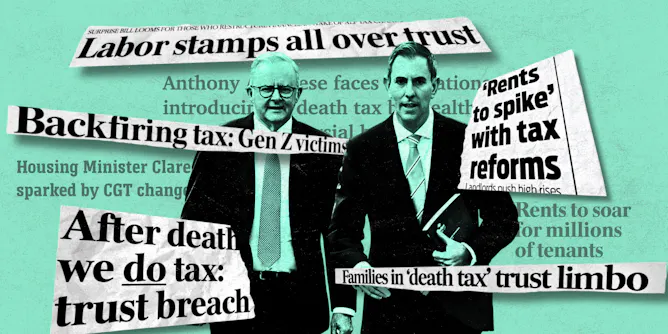
Some budget commentators have missed the mark entirely. Let’s bust some myths and set the record straight.
Articles on Fiscal policy
Displaying 1 - 20 of 107 articles

Economist Can Cinar talks to The Conversation Weekly podcast about how Javier Milei’s policies to cut inflation are making Argentinians feel poorer.
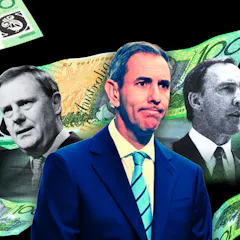
These four federal budgets brought in major reforms. This year’s effort is not quite so ambitious.
Even under its worst-case scenario, the government says growth will slow but not stall.
The government is under pressure to spend more on cost-of-living help. Getting the balance wrong could trigger further interest rates hikes.

Rising energy prices and tighter global financial conditions are exposing the limits of Ghana’s
import-dependent fuel model.

The changes announced by the prime minister won’t help with supply and are poorly targeted.
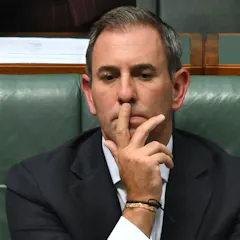
Government spending – federal, state and local – grew by less than consumer spending and business investment last year.
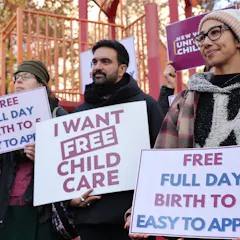
Mamdani’s child care plans could set an example for other policymakers to follow, as Democratic and Republican voters say child care costs are a major problem.
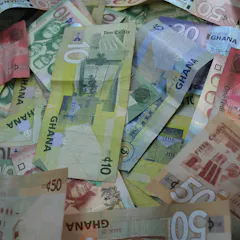
Ghanaian bank lending to agriculture and manufacturing is in decline
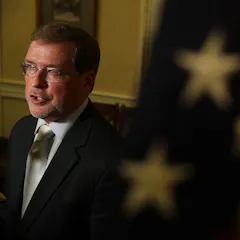
The founder of Americans for Tax Reform emerged in the 1980s as the fiscal conscience of American conservatism and continues to wield influence.

Even when parties release their costings, voters may not get the full picture. Parties may omit particular items that might attract criticism.

The pandemic – and the emergency responses to it – laid bare fissures in New Zealand society, while permanently shifting the way many live, work and shop.
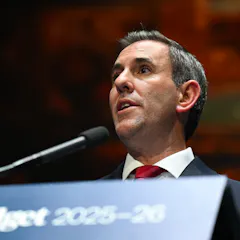
Cost-of-living measures are the key feature of this pre-election budget. But does it shore up our economy at a time of global risks? We asked 5 experts.

South Africa needs a credible plan to stabilise and reduce debt or it risks economic stagnation and financial instability.
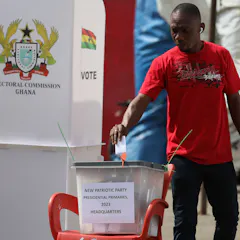
Ghana’s economy has struggled over the past four years.

Austerity means choosing not to invest in citizens, contrary to the mandate of South Africa’s constitution.

Ghana’s central bank has faced criticism for its role in the country’s economic crisis.
Spikes in inflation are often blamed on government borrowing to deliver cash handouts. But it’s more complicated than that. The real issue lies in borrowing without a plan to balance the books.
Both should work hand in hand to ensure the best outcomes for the economy as a whole. But they operate quite differently.
Top contributors
-

Scientia Professor of Economics, UNSW
-
Professorial Fellow, University of Canberra
-
Professorial Research Fellow, Melbourne Institute, The University of Melbourne
-
Senior lecturer, Canberra School of Government, University of Canberra
-
Associate Professor, School of Economics, University of Sydney
-
Professor of Economics, University of Canberra
-
Dean of Business School, University of Southern Queensland
-
Associate Professor, Torrens University Australia
-
Professor of Economics, University of the Western Cape
-
Industry Professor, University of Technology Sydney
-
Emeritus Professor of Economics (Griffith University) and Teaching Associate (University of Queensland), Griffith University
-
Lecturer, Public Sector Finance, University of Canberra
-
Program Director, Trade and Investment, United States Studies Centre, University of Sydney
-
Professor of Economics, Monash University
-
Professor of Economics, City St George's, University of London