

Recent wildfire seasons have been worsened by climate change. But wildfires also lead to additional climate warming when they release carbon dioxide to the atmosphere.
Articles on Fires
Displaying 41 - 60 of 75 articles
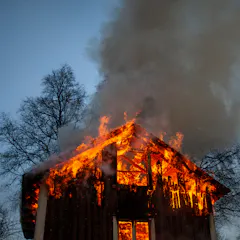
What if we had a system, like Medicare, where costly fire prevention measures were subsidised?
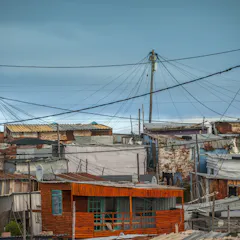
Smoke alarms are used extensively in formal buildings around the world to alert occupants to impending fires, but until recently they’ve not been used informal dwellings.
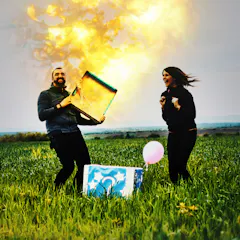
Increasingly outlandish gender reveal parties align perfectly with the values of an economy that’s always scrolling for the next best thing.
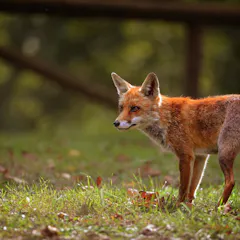
Some predators thrive after fires, other wilt – and one bird even starts them on purpose.
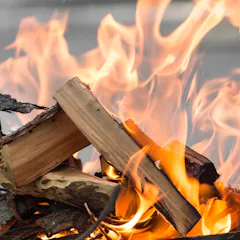
Water and sap inside the wood make mini explosions as they turn into gas and burst out. That’s why damp wood makes the noisiest fires.
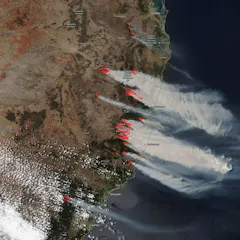
They escaped to the coast for the quiet life, but now sea-changers are in the path of monster fires.
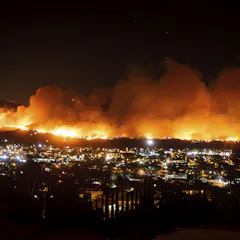
‘California is America fast-forward,’ writes one scholar. Does that mean that the dystopian infernos that have consumed parts of the state are simply a picture of what awaits the rest of America?
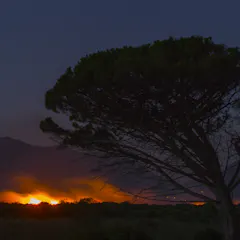
The danger of fires in the Cape region this season is partly dependent on how the Fynbos has been managed over the past few decades.
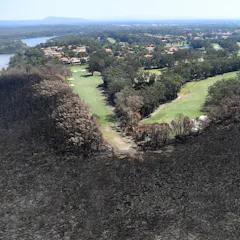
Climate change makes every risk factor for major bushfires worse, which means massive, intense fires will only become more likely.
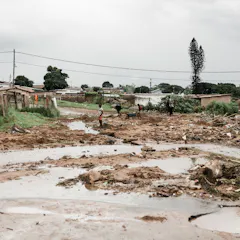
Rebuilding informal settlements after a disaster must be done through learning from those who live in the settlements.
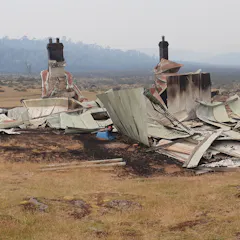
If you’re preparing to defend your home from fire, be aware of the vulnerable parts of your house.
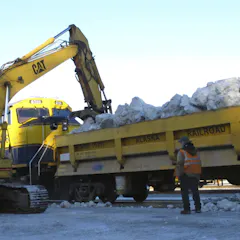
For everyone from traditional hunters to the military, the National Park Service to the oil industry, climate change is the new reality in Alaska. Government, residents and businesses are all trying to adapt.
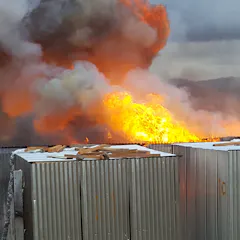
Paraffin stoves are used all over South Africa in millions of households and are the riskiest.
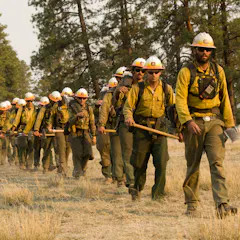
A historian of wildfires explains the difference between urban and rural fire cultures, and what it means for protecting communities in fire-prone rural areas.
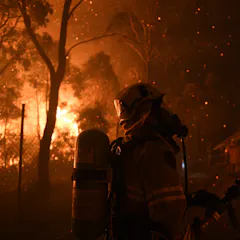
New research shows that fire follows fire in the Australian Alps, and old-growth forests are less flammable.
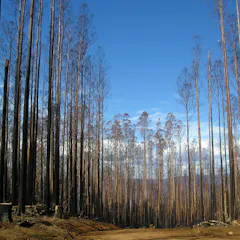
In the aftermath of fires or logging, conservation needs to focus on recovering the health of the remaining vegetation, not just the size of the forest or woodland.
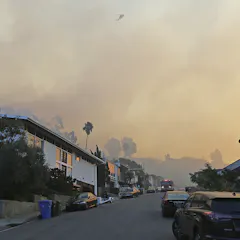
With wildfires continuing to rage across southern California, a fire researcher says lowering fire risk means reconsidering where and how we build our communities.
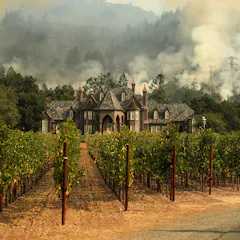
As firefighters contain the fires that have been raging since Oct. 8, California’s wine industry is assessing the damage and hoping the tourists who fled the ash-filled air return.
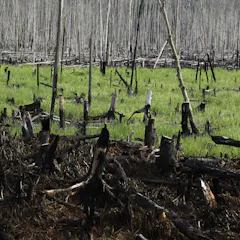
Zero-burning policy could hurt small-holder farmers. The ban on the use of fire for land clearing has raised the costs to prepare their land for planting and to keep it pest-free.
Top contributors
-

Professor of Pyrogeography and Fire Science, University of Tasmania
-
Professeur écologie et aménagement forestier, Université du Québec en Abitibi-Témiscamingue (UQAT)
-
Associate Professor, Hawkesbury Institute for the Environment, Western Sydney University
-
Professeur-chercheur en écologie forestière, Université du Québec à Chicoutimi (UQAC)
-
Professor of Physics, Clemson University
-
ARC Future Fellow, Queensland University of Technology
-
Associate Professor of Physics and Electronics, Hunan University
-
Adjunct Professor, University of Tasmania
-
Lecturer, Humanities and Social Sciences, La Trobe University
-
Senior Research Scientist and Research Project Leader, Data61, CSIRO
-
Researcher, Centre for International Forestry Research
-
Research fellow, University of Wollongong
-
Principal Investigator FiRES Project (SNSF Consolidator Grant), ETH Zürich, Switzerland // Honorary Associate Professor, University of Wollongong, Australia.
-
Postdoctoral Fellow, Forest and Ecosystem Science, The University of Melbourne
-
Forest and fire scientist, The University of Melbourne