

Even small increases in air pollution can increase the risk of serious respiratory illnesses for preterm infants and their risk of having asthma as they get older.
Articles on Fine particles
Displaying all articles
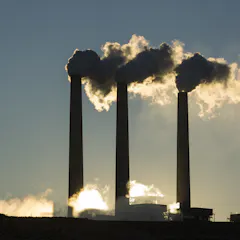
As soon as the 2018-2019 shutdown began, coal-fired power plants started emitting more particulate matter pollution. And when the inspections resumed, the levels dropped back to normal.

Researchers found 10 times more black carbon on the 15th Street/City Hall subway platform than on the sidewalk above.
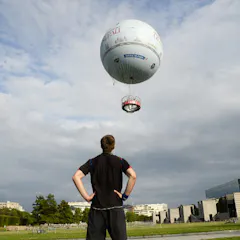
The number of substances emitted into the atmosphere is immense and growing, but some are particularly harmful to health and are subject to increased monitoring.

New research projects that climate change could greatly increase airborne dust levels in the southwestern US, causing higher hospital admissions and premature deaths from heart and lung ailments.
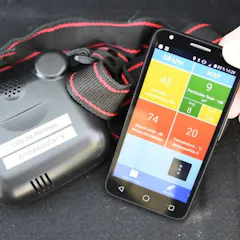
The use of small devices to measure the presence of fine particles in the air is becoming widespread. They’re one more weapon to fight against air pollution, but questions remain on their reliability.
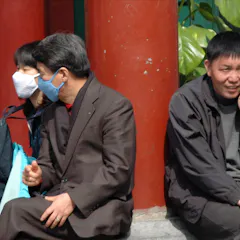
In recent years the number of motor vehicles – and the pollution they generate – has grown astronomically, leading some citydwellers to wear facemasks in the hopes of protecting themselves. So do they work?

Subways seem like the perfect solution to improve air quality in cities. But what about air quality underground?

A new study suggests climate change will cause changes to patterns of ground-level ozone and smog – two deadly pollutants set to increase deaths by about 260,000 worldwide by the end of the century.
Top contributors
-

Associate Professor of Environmental and Occupational Health and Global Health, George Washington University
-
Maître-assistante, co-responsable du Laboratoire « Capteurs », IMT Nord Europe – Institut Mines-Télécom
-
Director of the Institute of Environmental Assessment and Water Research (IDAEA), Instituto de Diagnóstico Ambiental y Estudios del Agua (IDAEA - CSIC)
-
Atmospheric Scientist, National Institute of Water and Atmospheric Research (NIWA)
-
Senior Research Fellow in Chemistry-Climate Interactions, Harvard University
-
Postdoctoral Scientist, George Washington University
-
Tenured Scientist, Consejo Superior de Investigaciones Científicas (CSIC)
-
Professor of Environmental Sciences and Engineering, University of North Carolina at Chapel Hill
-
Professor, University of Washington
-
Associate professor, IMT Nord Europe – Institut Mines-Télécom
-
Instructor of Pediatrics, Perelman School of Medicine, University of Pennsylvania
-
Associate Professor of Biochemistry, Villanova University
-
Associate Professor of Environmental Science, Villanova University
-
Assistant Professor of Economics, North Carolina A&T State University
-
Assistant Professor of Agricultural Economics, Penn State