
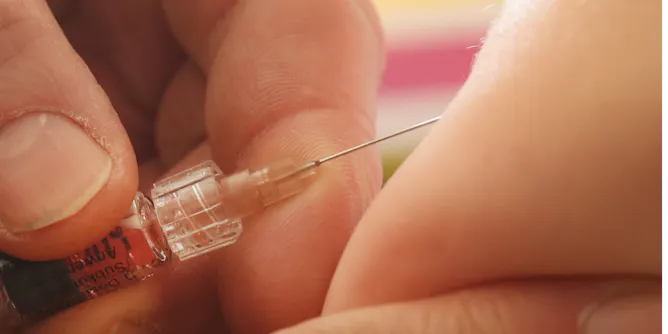
What happens when we have a COVID-19 vaccine – and millions are afraid of a needle?
Articles on Fear
Displaying 61 - 80 of 146 articles
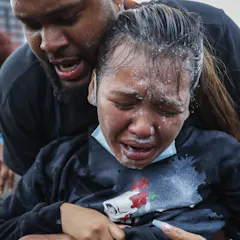
Fear is very much a part of humans’ survival. Demagogues and others who want to manipulate have learned that this human trait can be exploited, often with disastrous consequences.
Long after a crisis recedes, residual anxiety can remain and become calcified in cultures, customs and institutions.
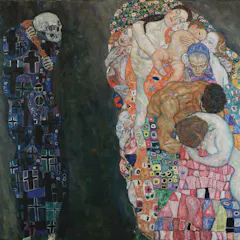
It’s human nature to try to insulate yourself from the unpleasant realization that death comes for all of us eventually.

How do you know if your fears of coronavirus are out of control? And what can you do about it?
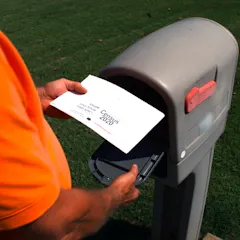
The United States is at risk of lacking data from more than 10 million undocumented immigrants in the 2020 census.
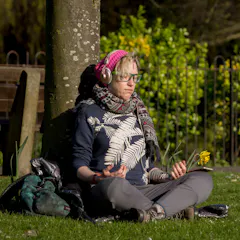
Buddhist monks have been chanting sutras to provide spiritual relief during the coronavirus crisis. A scholar of Buddhism translates some Buddhist teachings into ways we can deal with uncertain times.
With so much sadness and loss from COVID-19, some of us may feel selfish if we complain about relative inconveniences. But because humans are creatures of habit, changes are hard.

It can feel like everyone is stewing in anxiety about COVID-19 and seeing other people freak out can make you freak out more. A psychiatrist explains this phenomenon, and how to keep it in check.
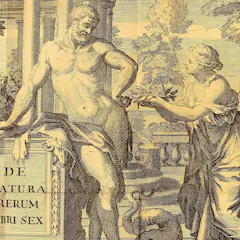
A first-century B.C. Roman poet and philosopher, Lucretius was worried that our fear of death could lead to irrational beliefs and actions that could harm society.

A psychologist explains how to get a grip on anxiety triggered by COVID-19.
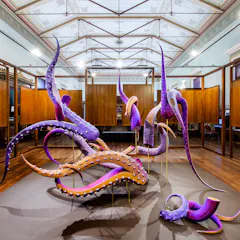
Artists have always created monsters to embody human fears. In this year’s Adelaide Biennial, Australian contemporary artists bring our past demons and current fears to life.
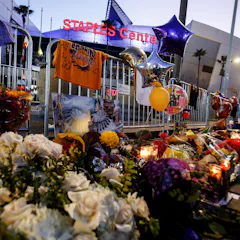
A social psychologist explains how you can be so deeply affected by the death of someone you’ve never met.

The human scream – a response we share with our primate relatives – is more nuanced than you might think.
You’re just as likely to be a victim of a mass shooting as you are to be struck by lightning. So why do nearly 50% of Americans say they’re afraid of being caught in the crossfire?

There are three main scenarios that may influence whether or not you develop a phobia.

Young people have reason to protest today and call for action on climate change. But they risk anxiety if they feel they are not heard and nothing is done.
What kind of curious are you? Scientists explore different types of curiosity and their home in the brain.
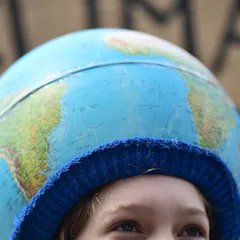
Strengthening the language on climate change can help, but journalists should cover its inspiring solutions, too.

Life without pain might seem like a blessing. But pain plays an important role in protecting our bodies from further damage.
Top contributors
-

Professor of Psychiatry, Wayne State University
-
Professor of Psychology, Skidmore College
-
Senior Lecturer in Psychology, University of the Sunshine Coast
-
Professor, University of the Witwatersrand
-
Professor and Chair, Department of Journalism, Stellenbosch University
-
Professor of Physiology and Neurobiology, Dean of Faculty Affairs, Geisel School of Medicine, Dartmouth College
-
Cornelia H. Dudley Professor of Psychology, Knox College
-
Professor of Religion, Boston University
-
Associate Professor of Psychology, Laurentian University
-
Adjunct Professor of Sociology, University of Pittsburgh
-
Fellow, Keele University
-
Associate Professor of Practice Communication Studies, University of Nebraska-Lincoln
-
Postdoctoral Researcher in Neuroscience, University of Sussex
-
Lecturer of Psychology, Cardiff Metropolitan University
-
Vice Chancellor's Research Fellow in Ecology and Entomology, Edith Cowan University