
The 2026 guidelines recommend beginning screening as early as age 9, and incorporates more precise diagnostic tests.
Articles on Fatty acids
Displaying all articles
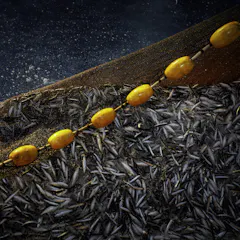
This is very bad news for human health but also for the health of other animals in the food web.

Future missions may be able to take only a small, damaged sample from space back to Earth. A simple analysis tool could help determine whether its contents suggest the presence of life.
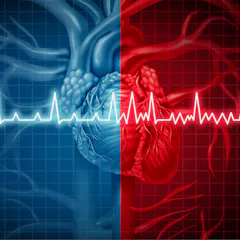
Obesity can put strain on the heart, resulting in an increased risk of conditions such as atrial fibrillation, or irregular heart rhythms.

Consuming adequate amounts of omega-3 fatty acids from food sources can help offset the need for obtaining the nutrients from vitamins.

Essential fats found in fish and nuts are tied to many protective health benefits. Researchers found they may also slow decline of lung function and prolong the lives of pulmonary fibrosis patients.

Although you get your fatty acid levels routinely checked at the doctor’s, rarely do clinicians and researchers consider the effects of their potentially harmful byproducts.

Proponents of intermittent fasting say the clock can help you win the battle of the bulge. But the science behind it is a little more complicated.
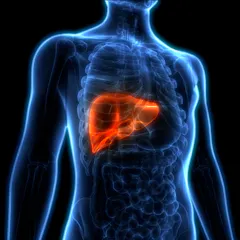
Non-alcoholic fatty liver disease is surprisingly common, affecting about one in four adults. Eating processed foods and sugary drinks can increase the risk of developing the disease.
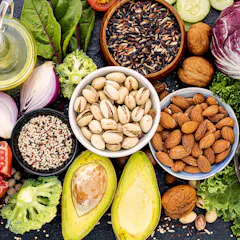
A new study puts numbers to the health and environmental benefits – or impacts – of individual foods and shows how small changes can make a significant difference.

With hand-washing top of mind, soap is an integral part of keeping clean. But people through the ages relied on earlier forms of soap more for cleaning objects than for personal hygiene.

When did eating become so confusing? In the 1960s, studies began to show a link between heart disease and dietary fat, and fat was demonized. As it turns out, fat is nuanced and may not be so bad.

Trainers and fitness gurus often tell their charges how to ‘burn fat.’ But what does that actually involve? Here’s a Speed Read on something that actually takes a fairly long time.

New research suggests omega-3s from seafood to be more effective at reducing breast cancer risk than those from plant-based sources.
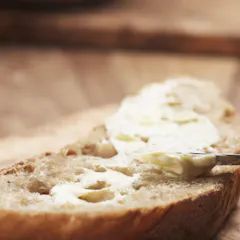
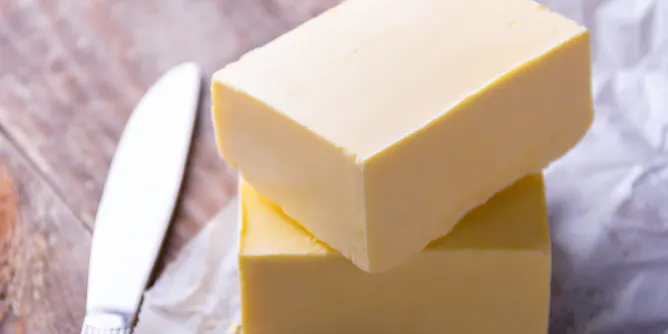
Depending on the overall quality of your diet and intake of saturated fats, you may need to swap your butter for margarine.

Despite the increase in cardiovascular disease in the developing world, not enough is being been done to improve public awareness of the benefits and harms of ‘good’ and ‘bad’ fatty acids.
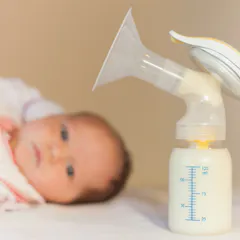
Most people are aware of the benefits of breastmilk, but few are aware of the risks.
Top contributors
-

Program Director of Nutrition and Food Sciences, Accredited Practising Dietitian, Adelaide University
-
Associate Professor, Emory University School of Medicine, Emory University
-
Professor of Meat Science and the co-host of the NRF SARChI Chair in Meat Science, University of Fort Hare
-
Associate Professor of Medicine, Vanderbilt University
-
Senior Lecturer, University of Essex; IF Senior Research Associate, Intellectual Forum at Jesus College in the University of Cambridge; Researcher for the Department of Social and Political Sciences, Bocconi University, University of Cambridge
-
PhD Candidate in Human Health and Nutritional Sciences, University of Guelph
-
PhD Student, Animal Sciences Department, University of Fort Hare
-
Assistant Professor of Nutritional Sciences, Oklahoma State University
-
Assistant Professor of Medicine, University of Virginia
-
Research Associate in Environmental Health Sciences, University of Michigan
-
Étudiante à la maîtrise en sciences cliniques et biomédicales, Université Laval
-
Professor of History, Mississippi State University
-
Associate Professor of Biology and Cell Biology, University of Virginia
-
Chercheur au Centre de recherche de l’Institut universitaire de cardiologie et de pneumologie de Québec et Professeur titulaire au Département de médecine, Université Laval
-
Professor of Environmental Health Sciences, University of Michigan