
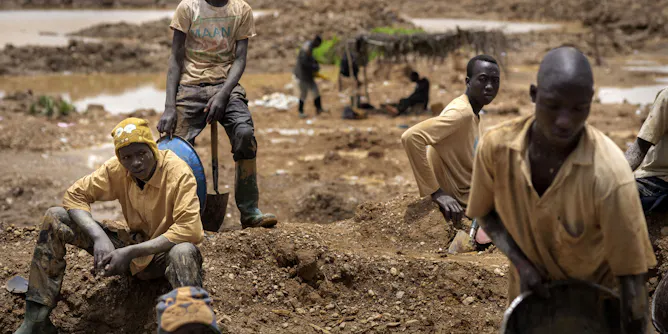
Several of Ghana’s water bodies and forests have been destroyed by illegal small-scale mining.
Articles on Farmers
Displaying 41 - 60 of 215 articles
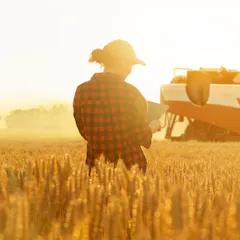
Women – and daughters-in-law in particular – are often seen as a threat to the continuity of the family farm, and tactically excluded from succession plans.
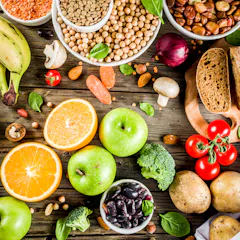
Humans rely on a very narrow selection of plant and animal food products – but more diversity could boost local and regional economies.

Transitions to diversified farming systems in Africa will require financial support. But barriers can be overcome.
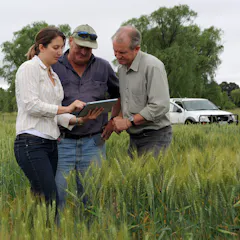
We developed My Climate View to help Australian farmers and producers better understand the risks and opportunities they face over the next 50 years. Road-testing with farmers was vital.

Whether true or not, the UK’s political parties have failed to quash the perception that they prioritise cities.
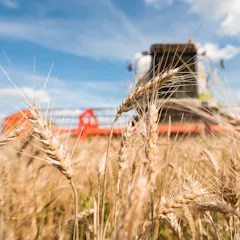
Some people think the decision to impose higher tariffs is just an excuse used by the EU to keep protecting its own farmers.

Major African cocoa plants in Côte d'Ivoire and Ghana have stopped or cut processing because they cannot afford to buy beans.

The end of CAP quotas has forced European farmers to compete with each other. The result: lower incomes, greater uncertainty and less bargaining power with distributors.
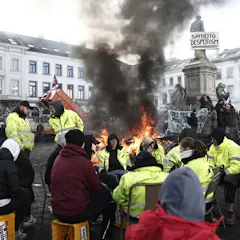
At the farmers’ protests in Brussels in February, there were some who demanded for authorities to cut back red tape, while others rallied against market concentration. But such a polarisation isn’t insurmountable.
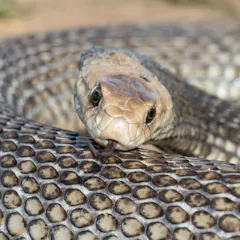
The benefits of snake populations on agricultural land far outweigh the potential costs, and farmers should tolerate rather than kill them.
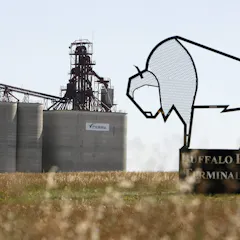
One hundred years after the founding of the once-mighty Saskatchewan Wheat Pool, the time might be ripe for a revival of Prairie farmer co-operatives.
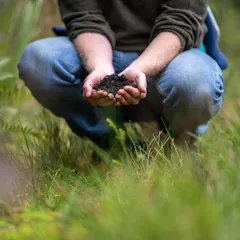
Sometimes when taking these actions, however, carbon storage is prioritised at the expense of biodiversity. But that need not be the case.
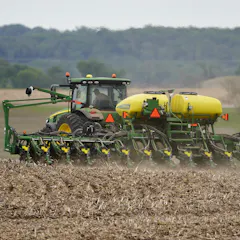
AI is exciting and scary, but it’s also a very useful tool. Here’s how AI is helping farmers shore up their bottom lines, protect the environment and boost food security.
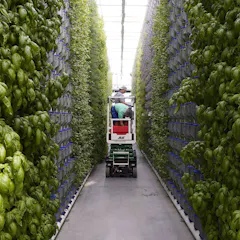
Digital twin technology is a huge boon for indoor farming and may hold the key to addressing rising global food scarcity.
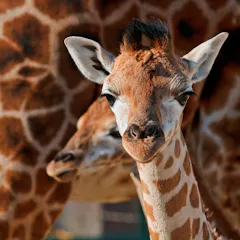
Giraffes are vulnerable to extinction, mainly due to habitat loss and killing for bushmeat markets. The good news is human actions can alleviate that danger.

If Canada wishes to preserve domestic farms and enhance food security, officials must have limits on what they can concede to American and other foreign interests.

Digitalisation offers a way to preserve indigenous knowledge of agricultural practices and connect new generations of farmers to knowledge and wisdom from the past.

Australia’s move towards net zero emissoions by 2020 is in danger of stalling. If it is not to fail, the nation urgently needs a government plan, aligned with industry and with public support.
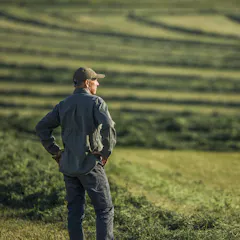
It’s part of a decadeslong trend.
Top contributors
-

Professorial Fellow, University of Canberra
-
Associate professor in Criminology, University of New England
-
Associate Professor, Oxford School of Global and Area Studies/ History, University of Oxford
-
Lecturer in Sustainability and Fellow of Indo Pacific Research Centre, Murdoch University
-
Associate Professor of Agricultural Economics, Cornell University
-
Senior Lecturer in Criminology, Co-Director of the Centre for Rural Criminology, University of New England
-
Professor of Sociology (Criminology, Victimology and Security Studies), University of Ibadan
-
Researcher and Project Manager in Agriculture, Food Security and Climate Change, University of Cape Town
-
Principal Lecturer, Harper Adams University
-
Chair in Agricultural Marketing, Trade and Policy, The Ohio State University
-
Matthew Flinders Professor in Water Economics, Flinders University
-
Researcher, Centre for Peace and Security Studies, Modibbo Adama University of Technology
-
Clinical Professor of Medicine, University of California, San Francisco
-
Lecturer in Integrated Crop Management, University of Neuchâtel
-
Senior Lecturer, Business School, University of New England