

US oil companies have never stopped investing and operating in Venezuela’s petroleum industry, despite many changes in the terms of their engagement.
Articles on Expropriation
Displaying all articles

South Africa’s land reform minister should be distributing land owned by the government to black farmers rather than fussing about new laws.
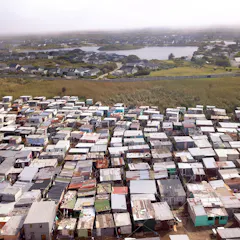
The expropriation of property for land reform purposes is a potential tool for reducing land inequality.

The narrative of the Fourth Industrial Revolution is more aspiration than reality.
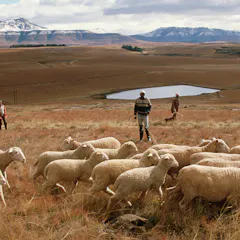
An agency could accelerate land reform by removing the process from political and bureaucratic control.
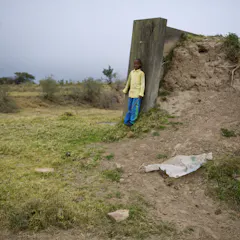
The proposed new law has a long history. The country has been trying for almost 12 years now to come up with expropriation legislation that is in line with the constitution.
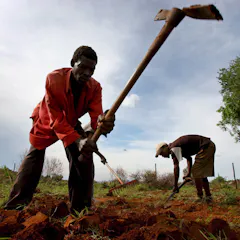
Land reform programme has done very little to improve access to land for black South Africans.
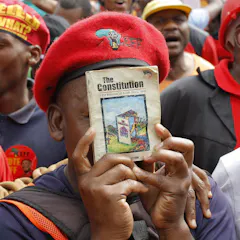
South Africa’s constitution has been amended 17 times already. But, the procedure for doing so is onerous.
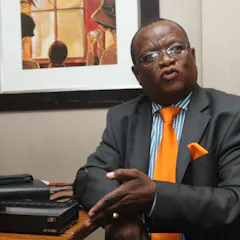
Some communities on South Africa’s Platinum Belt have received substantial mining revenues, but these are controlled by chiefs.

In practice, land expropriation in South Africa will be a matter of deciding which descendants of the dispossessed are entitled to it.
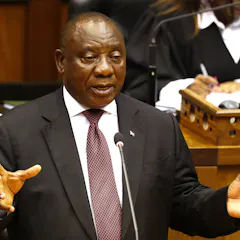
South Africa’s new president, Cyril Ramaphosa, has done well so far but more challenges relating to reigniting the economy lie ahead.

Land expropriation without compensation in South Africa will be resolved by opening up the economy and addressing inequalities.
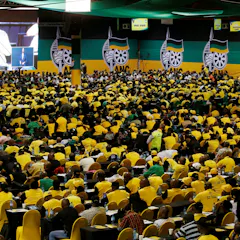
A closer look at the resolution of South Africa’s ruling party, the ANC, show that it won’t undertake a radical economic transformation agenda as suggested by media reports.

After South Africa’s first democratic election in 1994, the previously oppressed and dispossessed black majority hoped for constitutional restitution of their land. This has largely failed.
Top contributors
-

Professor of Political Studies, University of Johannesburg
-
Associate Professor, Sociology, University of Fort Hare
-
Senior Fellow, Department of Agricultural Economics, Stellenbosch University
-
Director of the Bureau for Economic Research, Stellenbosch University
-
Campus Principal: Strategic Leadership and Management, Nelson Mandela University
-
Professor of Sociology, University of the Witwatersrand
-
Senior lecturer, University of the Witwatersrand
-
Nonresident Fellow in Energy and Global Oil, Baker Institute for Public Policy, Rice University
-
Associate Professor of Law, North-West University
-
Associate professor, University of Johannesburg
-
Professor of History, University of Botswana
-
Academic, Stellenbosch University
-
Claude Leon Foundation Chair in Constitutional Governance, University of Cape Town