
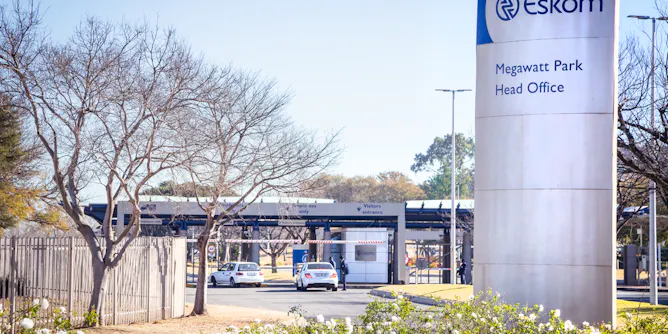
Eskom’s CEO talks debt, power cuts and green energy.
Articles on Eskom
Displaying 61 - 80 of 150 articles
The alarming rise in ransomware attacks means that many state-owned enterprises and private sector firms are only one click away from disaster.
South Africa needs a detailed and thoroughly researched set of scenarios mapped out to inform a new electricity plan.
There is significant potential for the community trusts to improve the financial position of communities. But it’s not happening.
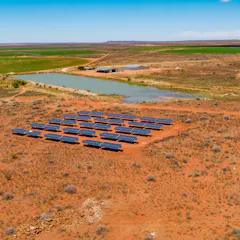
Southern African countries have been slow in embracing solar energy but this is changing.
The state capture inquiry shows that South Africa’s parliament needs to urgently end the uncertainty about whether or not shadow directors are governed by the Companies Act.
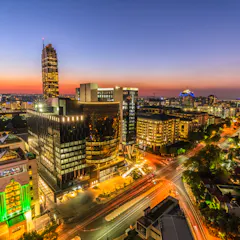
Renewable energy sources won’t make a decisive impact to alleviate South Africa’s power shortage for at least five years.
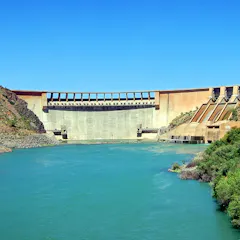
The agency will ensure that large water users such as municipalities, public utilities and large companies continue to fund the construction and operation of the large water systems they depend on.
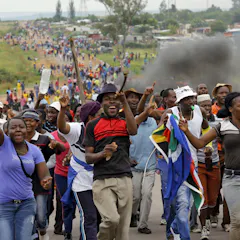
South Africa needs a way to incorporate active citizens within the prevailing constitutional and legal structures, so as to strengthen all levels of government.
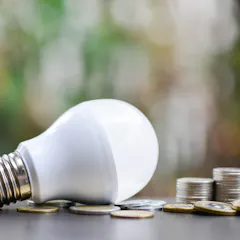
Replacing fluorescent lights with efficient LED alternatives is the single best way to cut schools’ electricity costs.
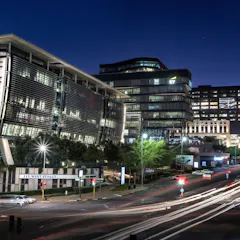
The longer government dithers over how Eskom’s debt will be paid, the bigger the problem becomes. Whatever the decision, electricity customers and taxpayers will feel the pinch.
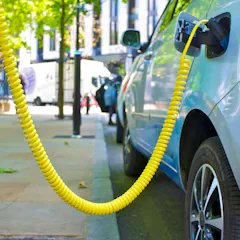
South Africa’s well positioned to adopt electric vehicles but this isn’t a solution in itself because the vehicles would still depend on electricity generated from carbon-emitting coal power stations.
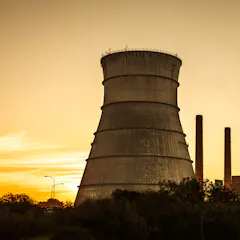
South Africa’s Integrated Resource Plan for Electricity reflects a global trend away from nuclear energy. But the government’s actions suggest otherwise.
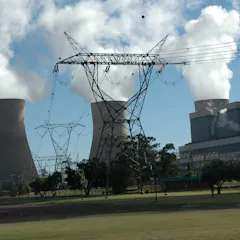
South Africa envisages the gradual closure of older coal plants, mostly located in Mpumalanga. Can these coal fields be turned into renewable energy hubs?
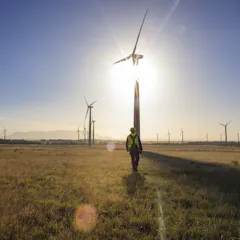
When South Africa finally emerges from COVID-19 inadequate electricity supply will be once again rear its head.
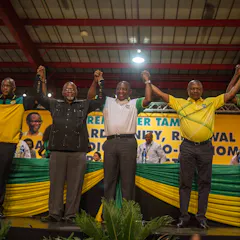
South Africa suffers capability deficiencies and institutional stasis due to poor political management.
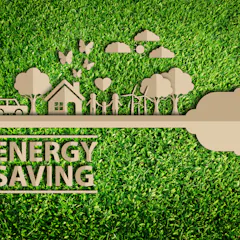
Centrally switching water heaters on and off at specific times can distribute the demand for electricity and lead to energy saving.
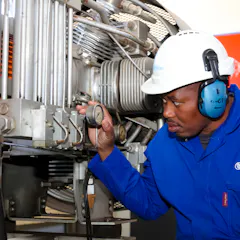
The deluge of opinions and proposed solutions to South Africa’s energy crisis reflects corporate and political interests.
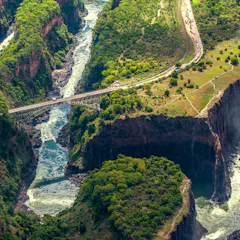
Zimbabwe’s energy policy needs to be reconsidered if the country’s electricity shortage is to be resolved.
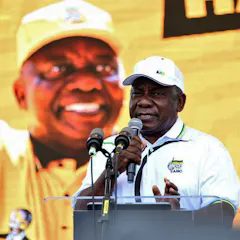
The year ahead promises to be a very difficult but also a very decisive year for South Africa. Is President Ramaphosa equal to the challenge?
Top contributors
-

Professor of Physics, University of Johannesburg
-
Senior Research Associate, University of Johannesburg
-
Professor of Technology Management, University of Pretoria
-
Visiting Adjunct Professor, African Energy Leadership Centre, Wits Business School, University of the Witwatersrand
-
Consulting Economist; and Senior Research Fellow University of Johannesburg, University of Johannesburg
-
Professor of Economics, University of Pretoria
-
Distinguished Professor of Sustainable Development, Stellenbosch University
-
Professor of Political Studies, University of Johannesburg
-
Professor in Engineering, Stellenbosch University
-
Lecturer in the Department of Public Law, University of Venda
-
Visiting Adjunct Professor, School of Governance, University of the Witwatersrand
-
Associate Professor and Director of Rhodes Business School, Rhodes University
-
Associate professor, University of Cape Town
-
Post Doctoral Researcher, Graduate School of Business (GSB), University of Cape Town
-
Emeritus Associate Professor in Public Law, UCT. Visiting Adjunct Professor, WITS School of Governance; Director, Africa Programme, University of Cambridge Institute for Sustainability Leadership, University of Cambridge