
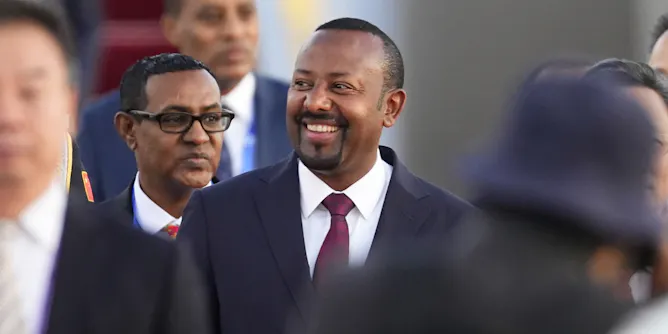
Ethiopian Prime Minister Abiy Ahmed claims his landlocked country has a right to demand maritime access to a Red Sea port from its neighbors in the Horn of Africa − Somalia, Eritrea and Djibouti.
Articles on Eritrea
Displaying 21 - 40 of 81 articles
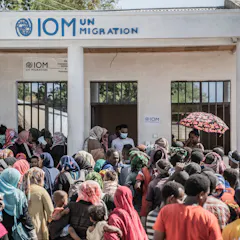
The number of refugees leaving Sudan is particularly high because Sudan was itself host to a million refugees.
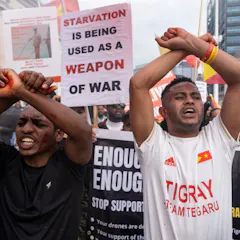
Leaders at the centre of the Ethio-Tigray war don’t believe in equal partnership. In their political cultures, winners take all.
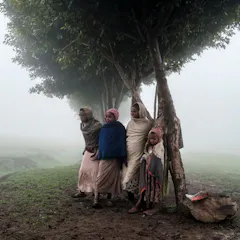
Eritrean refugees in Ethiopia are caught in a conflict in a country that was supposed to provide them refuge.
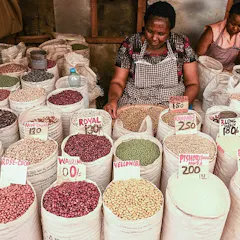
The Ukraine crisis is significantly increasing political stress and potential conflict throughout Africa.
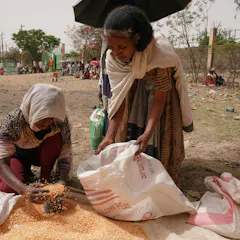
The origins of Ethiopia’s food crisis can be traced to a bitter feud between Eritrean and Tigrayan liberation fighters.
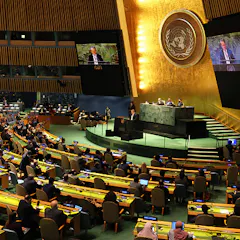
The resolution is not legally binding, but is an expression of the views of the UN membership.
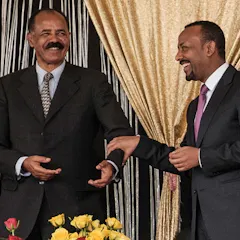
The war in Tigray appears to have boosted Eritrea’s efforts at regional pre-eminence. But it could backfire.
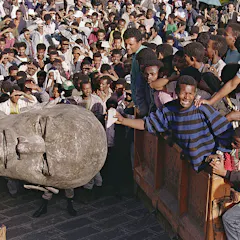
Prevailing political attitudes, security actors, alliances and geopolitics differ starkly from the final days of the hated Ethiopian military regime.

Globally, about 1 million deaths annually are related to exposure to second-hand smoke. Thirteen African countries have implemented comprehensive smoke-free bans.
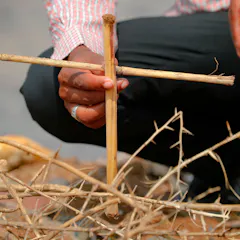
Domestic and geopolitical factors mean that the Ethiopian conflict has enough fuel to burn for some time.

International law bars nations from causing environmental harms in other states. Should that include sending thousands of refugees over the border in search of food, water and shelter?
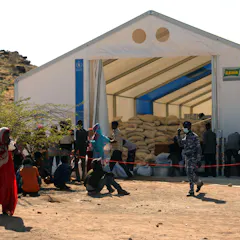
Time in the camps does not move forward and educated refugees are stuck, without the opportunity to create a path for a better future.
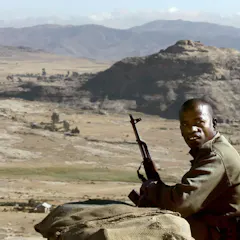
Conflict between Eritrea and Tigray has long represented a destabilising fault line for Ethiopia as well as for the wider region.

As ever, civilians are caught in the middle of warring ethnic groups in this strife-torn region of Ethiopia.
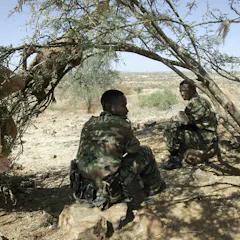
The Ethiopian premier is manipulating ethnic rivalries to shift the agenda from democratic reform to authoritarianism.
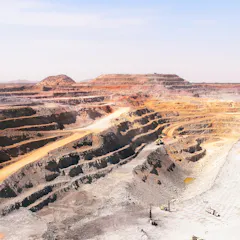
Why a mining company’s quiet settlement of a slave labour case is big news.
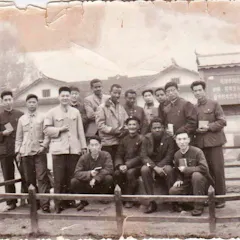
He’s a brooding, taciturn figure, who has dominated Eritrean politics since the 1970s, and there are few signs of an effective challenge to his rule.
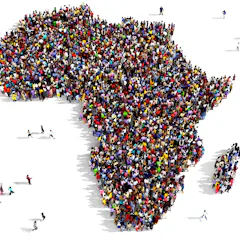
The gap between the continent’s most democratic and authoritarian regions is likely to continue to grow.
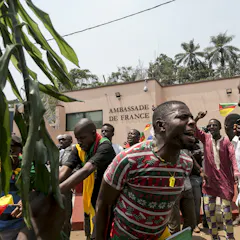
The African Union’s intervention track record in conflict situations is mixed.
Top contributors
-

Senior Research Fellow, Horn of Africa and Southern Africa, Institute of Commonwealth Studies, School of Advanced Study, University of London
-
Lecturer in Environment and Development, University of Manchester
-
Associate Professor, Department of International Relations, Ankara Hacı Bayram Veli University
-
Executive director, Africa Institute of South Africa, Human Sciences Research Council
-
Associate Professor of International Relations, University of Trieste
-
Ph.D. Fellow, Center for Constitutional Democracy, Indiana University
-
Professor of Sociology and Global and Africana Studies, University of Tennessee
-
PhD candidate in Political Studies at the Department of Politics and International Relations, University of Johannesburg
-
Professor of World Politics, SOAS, University of London
-
Senior Lecturer of Political Science, Georgia Gwinnett College
-
Associate Professor in Media Studies, University of the Witwatersrand
-
Professor of African History, St Cross College, University of Oxford
-
Professor of Democracy, University of Birmingham
-
Political Scientist, University of the Western Cape
-
Yarik Turianskyi is Manager of the Governance and African Peer Review Mechanism Programme at the South African Institute of International Affairs and guest lecturer in African Governance and Eastern European Politics, University of Pretoria