

The tilt of the Earth and your distance from the equator are just 2 reasons why summer’s not year-round.
Articles on Equinox
Displaying all articles
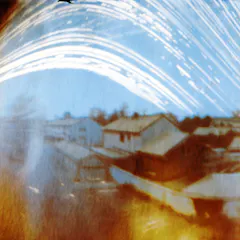
The longest and shortest days of the year are marked by the Sun’s position in the sky – but the seasons lag behind.
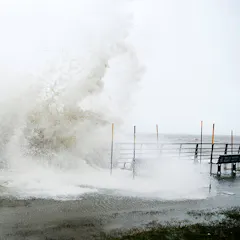
Popular belief suggests the highest tides in the St. Lawrence River are reached around the equinoxes. In truth, they arrive close to the solstices.
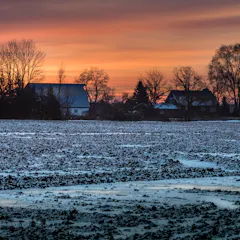
The winter solstice is past, but bundle up – January is when winter really arrives in many parts of the Northern Hemisphere.

People stay up all night, telling stories and eating dried fruits, in addition to watermelon and pomegranate, to celebrate the sunrise soon after the longest night of the year.
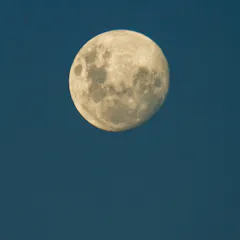
According to Google Trends, Moon-related searches are up by more than 60% over the past week in Australia. We asked an expert in astrophysics to answer your Moon questions.

On the March equinox, everywhere in the world has more sunlight than darkness.

Leap years were devised in Julius Caesar’s time, to fix the pesky problem that Earth’s year isn’t exactly 365 days. But 15 centuries later, our calendars were still slightly askew.

Easter is actually a mish-mash of different traditions celebrating the coming of spring.
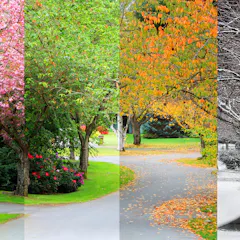
The reason we have seasons is because, during its journey around the Sun, the Earth is tilted.
A scholar explains the rich historical roots of Easter and how it has evolved over the centuries.
It’s the time of the equinox or more specifically the spring equinox for us in the southern hemisphere. The equinox is a midpoint. It’s around now that day and night become equal in length (but more about…
Top contributors
-

Professor (Astrophysics), University of Southern Queensland
-
Postdoctoral research associate, University of Oxford
-
Lecturer in Religious Studies, The University of Texas at Austin
-
Senior Curator (Astronomy), Museums Victoria Research Institute; The University of Melbourne
-
Associate professor, University of Illinois Urbana-Champaign
-
Professeur-chercheur en océanographie physique, Université du Québec à Rimouski (UQAR)
-
Senior Research Fellow at Campion Hall, University of Oxford
-
Professeur en océanographie physique, Université du Québec à Rimouski (UQAR)
-
Director, Executive Leadership Academy, University of California, Berkeley
-
Professeur en océanographie physique, Université du Québec à Rimouski (UQAR)
-
PhD Candidate in Space History, UCL
-
Senior Lecturer in Physics, Nottingham Trent University
-
Associate Professor of Geography, Environment, and Sustainability, University of Richmond