
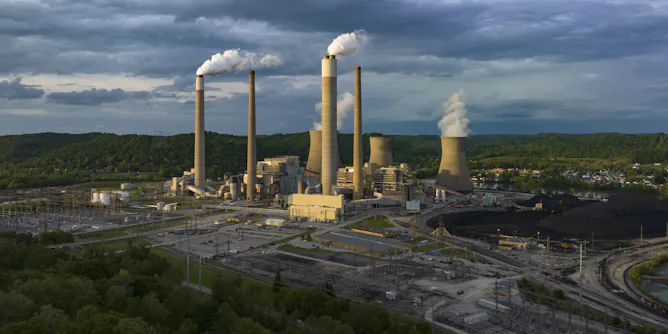
The Trump administration’s goal is to roll back rules limiting planet-warming greenhouse gas emissions from power plants, vehicles and oil and gas production, but it could backfire for industry.
Articles on EPA
Displaying 21 - 40 of 103 articles

Clean air has become one of America’s best investments, returning $10 for every $1 spent on regulations, by one estimate.

Several groups are working to preserve webpages, tools and data – some of which have already gone missing from government webpages since the start of the Trump administration.
For example, the first Trump administration tried to use the principles of transparency to prevent federal agencies from considering major health studies when setting pollution rules.
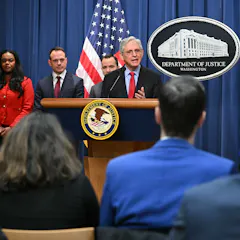
The combined political and legal roles and responsibilities of the US attorney general can create conflicts. Some attorneys general yielded to political pressure from the president – many did not.
Should Australian authorities follow the US lead and impose lower limits on ‘forever chemicals’ in our drinking water?
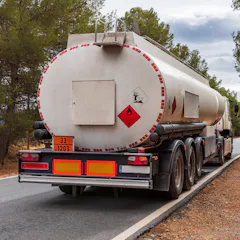
Nobody wants to see an accident involving flammable, corrosive or radioactive material. But understanding the rules put in place to prevent these accidents isn’t easy.
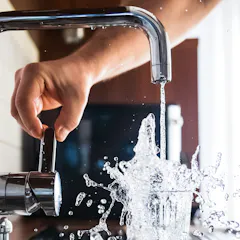
Filtering out PFAS is only the first step. These ‘forever chemicals’ still have to be destroyed, and there are many questions about how to do that safely.
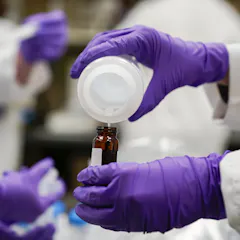
These chemicals are now found on almost every part of the planet, including in the bodies of a large percentage of the American public. An environmental health scientist explains the risks.
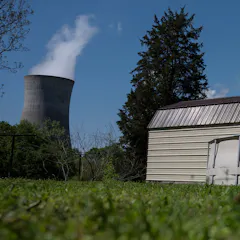
The longest-running study of its kind reviewed death records in the path of pollution from coal-fired power plants. The numbers are staggering − but also falling fast as US coal plants close.

The action by the Environment Protection Authority follows alarming results from testing of rainwater tanks and the blood and hair of residents living near to the mine.
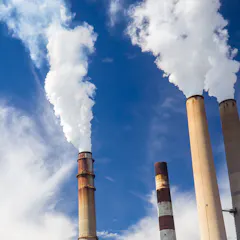
Fossil fuel power plants can avoid most emissions by capturing carbon dioxide and pumping it underground. But to be a climate solution, that carbon has to stay stored for thousands of years.
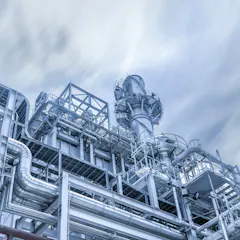
Carbon capture and storage could keep fossil fuel power plants running under newly proposed federal emissions standards, but it faces high hurdles.

The drinking water systems serving over 70 million people may not meet newly proposed water quality standards. It could cost hundreds of billions of dollars to fix that.
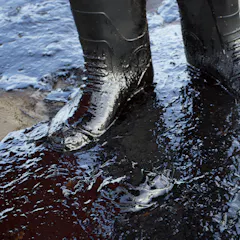
A new study reveals wide disparities among state-issued Clean Water Act fines, and even among federal fines from regions to region. A law professor explains why it may be illegal.

An environmental health lawyer explains why some states have weaker rules than others, and how you can make your concerns heard.
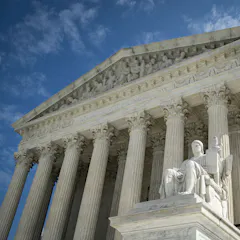
There’s some confusion around what the new climate law allows the Environmental Protection Agency to do. A law professor explains what’s changing.

The US Environmental Protection Agency is reexamining the health effects of bisphenol A. A chemist explains why BPA is in plastics and why it’s hard to find a safe replacement.

These chemicals are now present in water, soil and living organisms and can be found across almost every part of the planet – including 98% of the American public.

Due to increasing concerns over the health hazards posed by BPA, the Food and Drug Administration plans to reevaluate the safety of the controversial chemical for use in everyday products.
Top contributors
-

Lynton K. Caldwell Professor of Public Affairs, Indiana University
-
Professor of Environmental Engineering, North Carolina State University
-
Professor of Law Emeritus, Vermont Law & Graduate School
-
Professor of Planning and Public Policy, Rutgers University
-
Professor of Environmental Law, University of Maryland
-
Professor of Environmental Health Sciences, UMass Amherst
-
Associate Professor in Environmental Science, Western Sydney University
-
Assistant Professor of Environmental Health, Middlebury College
-
Distinguished Professor of Practice, Trachtenberg School of Public Policy & Public Administration, and Director of the Regulatory Studies Center, George Washington University
-
Assistant Professor of Law, University of Oregon
-
Senior Research Associate, Energy Institute, Colorado State University
-
Co-Executive Director, Emmett Institute on Climate Change and the Environment, UCLA School of Law, University of California, Los Angeles
-
Associate Professor of Geography, University of Guelph
-
Climate and Energy Program Director, Nicholas Institute for Environmental Policy Solutions; Senior Lecturing Fellow, Duke Law School, Duke University
-
Dean, College of Engineering, University of Rhode Island