
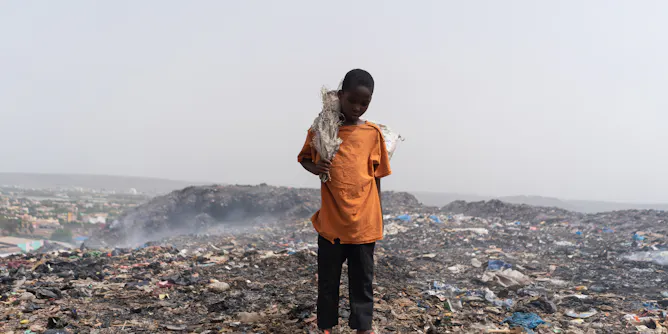
Cleaner air is progress, but injustice remains. Environmental racism still decides who breathes dirty air, who gets sick and who gets heard
Articles on Environmental racism
Displaying all articles
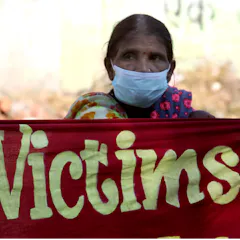
Four decades on, survivors of the Bhopal gas disaster are still campaigning for a fair settlement.
The federal government’s proposed Bill C-226 could be an important first step in addressing environmental racism, but only if communities are involved.

Dignity is at the centre of many rights-based declarations, but to eradicate racist policy and practices, we must commit to noticing each other’s personhood in new ways.

Many popular climate change documentaries rely on white male narrators and experts, reinforce social stereotypes and provide unbalanced coverage of the regions most affected.
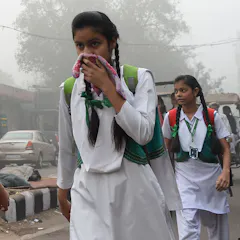
It’s the World Health Organization’s first update of global air quality guidelines since 2005. We know far more today about the serious risks these pollutants pose to human health.
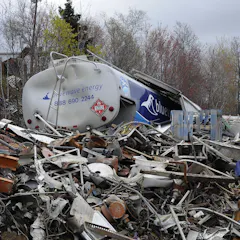
Black residents of Shelburne, N.S., spent decades living near a dump, worrying about its possible connection to elevated cancer rates. A new study will investigate the dump’s long-term consequences.
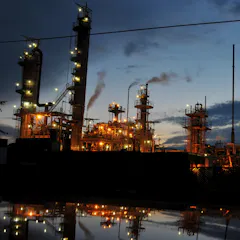
Addressing environmental racism in Canada is not only a matter of justice, but also of meeting Canada’s human rights obligations
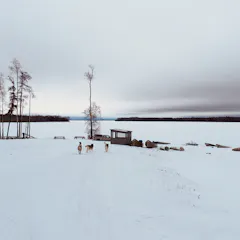
Infrastructure for the mining industry has been prioritized over community-infrastructure for essential human needs.

Nova Scotia’s African Canadian communities have grappled with racism for decades. By looking at community green spaces, we can see how they serve the community’s unique needs.

Pollutants like nitrogen dioxide are a silent killer, but everyone isn’t equally at risk.

Who wins, who loses and whose natures are being talked about when nature-based solutions are proposed?

A research team of youth climate activists and academics is examining how environmentalists learn about solidarity and justice.
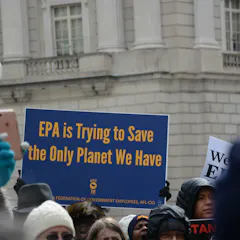
The EPA served as a conduit between the federal government and at-risk communities. Communications scholars look at how environmental justice issues could be set back in scaled-down EPA.

Low-income residents in Puerto Rico are fighting disposal of toxic coal ash in their communities. They’re also campaigning to shift from coal energy – the source of the problem – to solar power.
Top contributors
-

Professor of Advertising, University of Oregon
-
Professor, School of Journalism and Communication, University of Oregon
-
Professor, Gender & Women's Studies, Anthropology & Marine Affairs, University of Rhode Island
-
York Research Chair in Environmental Law & Justice in the Green Economy, York University, Canada
-
Assistant Professor, Faculty of Law, Toronto Metropolitan University
-
PhD Researcher, Development Studies, University of Antwerp
-
Assistant Professor of Public Health and Community Medicine, Tufts University
-
Professor, Department of Environment and Sustainability, Universidad Andina Simón Bolívar
-
Professor, Geography and Planning, University of Toronto
-
Assistant Professor, Interdisciplinary Studies, Carleton University
-
Project Manager, Keepers of the Circle
-
Postdoctoral researcher, Geography, Norwegian University of Science and Technology
-
Assistant Professor, School of Public Administration, University of Victoria
-
Professor, Faculty of Humanities, HOPE Chair in Peace & Health, McMaster University
-
Associate Professor of Community Engagement and Political Science, University of Guelph