

States used to be on their own when a disaster hit. Then the Great Mississippi River Flood of 1927 and the Dust Bowl showed why federal coordination was essential.
Articles on Environment
Displaying 121 - 140 of 306 articles
Studies have linked ticks on 6 continents to alpha-gal syndrome and its unusual symptoms. An entomologist explains what this frustrating illness is.

As wildfire smoke becomes a frequent summer hazard across large parts of the US, knowing the risk at the neighborhood scale matters for human health.
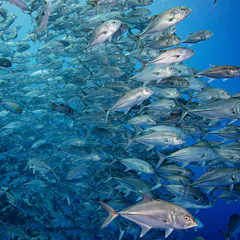
Satellite technology that can track ships even when they ‘go dark’ finds that those protected areas that fully ban industrial fishing are succeeding, even if others aren’t.
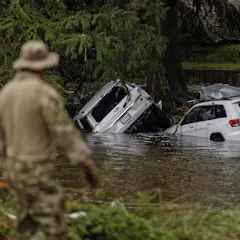
Large parts of the central and eastern U.S. have seen at least 50% more precipitation than normal. An atmospheric scientist explains why and what creates flash flood weather.
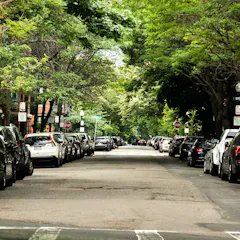
Cities are seeking low-cost ways to ease the heat island effect. Researchers found benefits and trade-offs in two popular options, but they vary by city and even neighborhood.
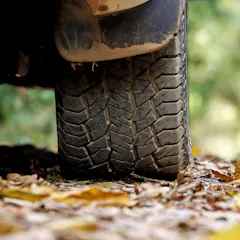
Rain storms wash those tire shards into streams and ultimately into lakes and oceans. That’s bad news for fish and other aquatic life.

As overall cancer rates in the US decline, childhood acute lymphocytic leukemia continues to rise.
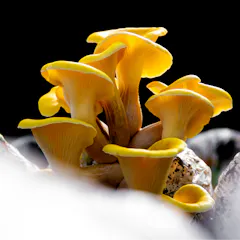
Kits that help people grow their own golden oyster mushrooms at home may be one reason this nonnative species is now spreading in the wild.

Sports face a sustainability challenge: They’re under pressure to grow, but more travel means more emissions that add to rising global temperatures. The NCAA is also weighing expanding March Madness.
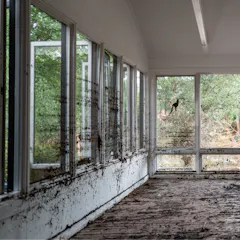
FEMA flood maps are essential tools for identifying flood risks, but they have significant coverage gaps, and politics can get in the way.
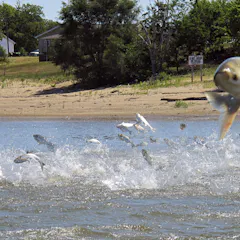
Democratic governors and President Donald Trump agree to fight an invasion of non-native fish that has spread up the Mississippi River and threatens the Great Lakes.
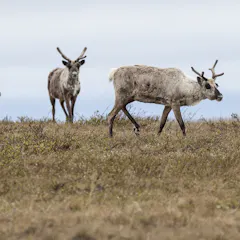
Caribou, migrating birds and many other types of wildlife rely on this expanse of wetlands and tundra. But about 5.5 million acres are being put up for oil and gas leases in March 2026.
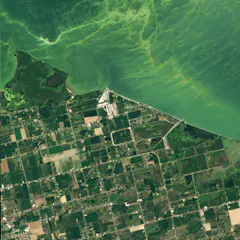
The blooms have become an annual problem in the Great Lakes. DNA studies show what’s growing there and why it’s dangerous.
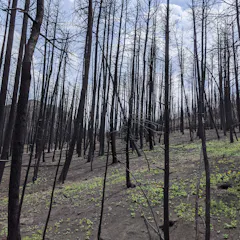
Scientists analyzed water quality in 145 watersheds after wildfires and found dramatic spikes in contaminants.
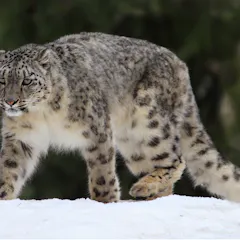
Conservationists have to search rough terrain and thousands of automated photographs to find the elusive cats. Artificial intelligence can help them work more accurately and more efficiently.
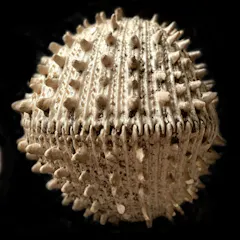
Not everything dies in a mass extinction. Sea life recovered in different and surprising ways after the asteroid strike 66 million years ago. Ancient fossils recorded it all.
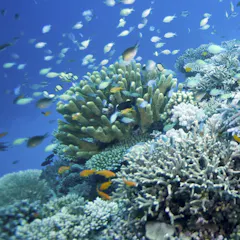
As baby corals float in the currents, they can expand their species’ range. But can they get to climate refuges fast enough to survive? A new study has good news and bad.
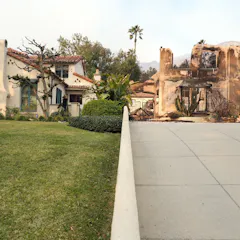
Hedges and trees may actually reduce home exposure to radiant heat and flying embers, but they must be well maintained. Two scientists who study how plants burn explain.
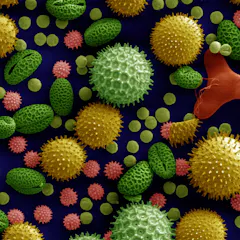
Palynologists who study tiny pollen fossils share 4 stories found in grains that fell hundreds to millions of years ago.
Top contributors
-

Professor in Wildlife Ecology and Conservation, School of Life & Environmental Sciences, Deakin University
-
Professor of Transport Technology and Sustainability, Swinburne University of Technology
-
Senior Fellow in Energy and Climate Change, Grattan Institute
-
ARC Future Fellow and Associate Professor in Climate Science, ARC Centre of Excellence for 21st Century Weather, The University of Melbourne
-
Research Associate, Institute for Climate Risk and Response, UNSW
-
Adjunct Professor of Environmental Geography, CQUniversity Australia
-
Distinguished Professor of Ecology, Fenner School of Environment and Society, Australian National University
-
Professor of Law, Deakin University
-
Professor in Conservation Science, School of the Environment, The University of Queensland
-
Professor, School of Economics, The University of Queensland
-
University Fellow in Biodiversity, Charles Darwin University
-
Professor of Conservation Biology, Charles Darwin University
-
Senior Research Associate, School of Agriculture, Food and Ecosystem Sciences, The University of Melbourne
-
Postdoctoral Research Fellow in Conservation and Wildlife Management, University of Sydney
-
Chief Research Scientist, CSIRO Environment; Executive Director, Global Carbon Project, CSIRO