
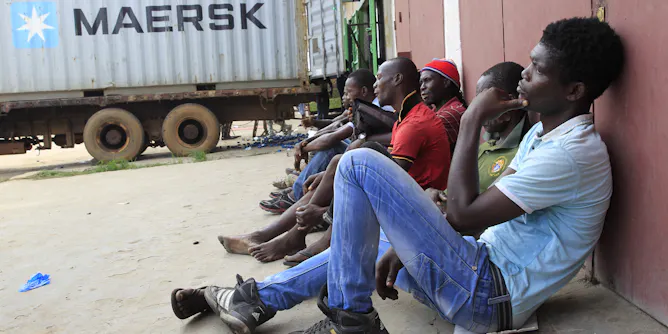
Since 1999, extreme poverty has declined while rates of young people in education and employment have risen. Without investment though, the impact of the pandemic could see this progress imperilled,
Articles on Entrepreneurship
Displaying 101 - 120 of 212 articles

Young and successful entrepreneurs get the attention, but they are the exception, not the norm.

The Igbos, like most other indigenous groups, believe in maintaining a legacy of not just their language, but other values, including trans-generational business legacies.

Building business skills to improve livelihoods is increasingly recognised as bringing value to the fight against poverty. But it can also set up identity conflict and community-level tension.

For Nigeria to feed its growing population efficiently and support food production by small farm holders, investment in rural infrastructure is key.

Nearly half of formerly incarcerated Americans remain jobless for at least a year. But there are some creative solutions to this problem.

Refugee businesses provide opportunities for those who find that the doors to employment are often closed to them – even if they are well qualified.

Innovation means creating and capturing value from new things. And it’s better for the Kiwi economy if investment in that innovation grows local industries and creates jobs.

The COVID-19 pandemic has disproportionately affected businesses owned by Black, Asian and minority ethnic people. Here’s how we can help them bounce back.

Many great innovators have personality traits in common. Comfort with uncertainty is critical, but passion, curiosity and a number of other learnable skills can prime you for an innovate idea.

The Inventor: Out for Blood in Silicon Valley is compelling viewing – but why have there been more films about Steve Jobs alone in the past 30 years than about successful female entrepreneurs?

Inventors in states with more socially liberal laws on the books end up with more diverse collaborators – and more higher-impact patents.

Social ties can help entrepreneurs acquire necessary information and insights about their plans to exit a company, as well as provide them with emotional support.
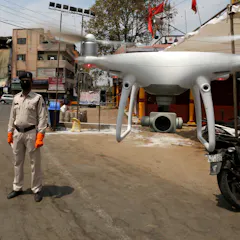
Start-ups in India, many in Kerala, have taken up the challenge of finding innovative solutions to the problems raised by COVID-19.

Only a quarter of UK startups have a female in their founding team and just 5% of SMEs are minority ethnic group led.

Employees working in startups may disproportionately suffer in the wake of the pandemic as their employers cut back to skeletal staffs or shutter their companies altogether.

It’s clear that our post-pandemic future will be different. Current signs of good will amid entrepreneurial initiatives give us some cause for optimism.

As part of response to COVID-19 pandemic, Nigeria has announced a lock down in three strategic states but this is going to be tough on the self employed and small scale entrepreneurs.

Entrepreneurial ecosystems are the perfect environment to help new start-ups develop and thrive – it’s all about being connected.

With an outdated story that gives up on manufacturing, Africa will fail to close the huge digital gap it still faces.
Top contributors
-

Economist and Postgraduate Supervisor, University of Lancashire; Keele University
-
Senior Lecturer in Entrepreneurship and Innovation, University of Hull
-
Professor of Entrepreneurship, La Trobe Business School, La Trobe University
-
Professor of Entrepreneurship, University of Auckland, Waipapa Taumata Rau
-
Robson Professor in Entrepreneurship, University of Calgary
-
Distinguished Visiting Professor in Economics, University of Johannesburg, University of Johannesburg
-
Professor, Adam Smith Business School, University of Glasgow
-
Director of Social Innovation Institute, Associate Professor of Entrepreneurship and Innovation, MacEwan University
-
Assistant Professor of Management, Texas State University
-
Reader in Leadership, School of Business and Creative Industries, University of the West of Scotland
-
Professor of Strategy and Entrepreneurship, ESSCA School of Management
-
Professor of Entrepreneurship and Digital Transformation, Sheffield Hallam University
-
Associate Professor for Entrepreneurship and Strategy, ESCP Business School
-
Programme Director UEA Africa Lecturer in Entrepreneurship and Strategy, University of East Anglia
-
Lecturer at Wits Business School, University of the Witwatersrand