

As China secures its role in clean tech exports, the US is doubling down on fossil fuels – and pushing allies to buy US gas.
Articles on Energy security
Displaying 21 - 40 of 145 articles

Even as clean energy progress slows in the US and EU, developing nations such as Bhutan, Nepal, Sri Lanka and the Maldives are surging ahead.
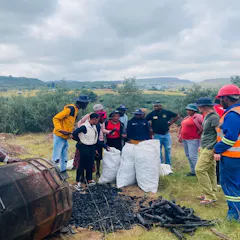
New research says invasive black wattle trees that are burnt as fuelwood in South Africa’s rural areas would be better turned into charcoal and useful wood products.
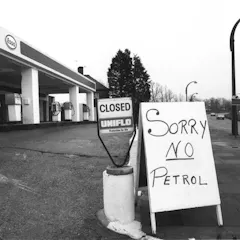
If oil prices rise and stay elevated, consumers will seek better options. Could it accelerate the shift to electric vehicles?

The problem of high energy prices and rising numbers of people unable to afford them isn’t lost on the Trump administration.

South Africa has secured pledges of R218 billion to fund its transition away from coal-fired power and bring in renewable energy.

A global summit in London is set to decide on a new definition of energy security.
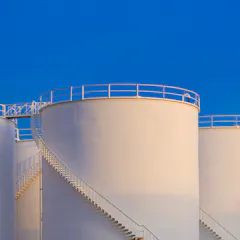
Electric cars charged with locally made electricity can boost Australia’s energy security. That’s great – if we avoid relying on just one EV producing nation.

Supercritical geothermal is worth exploring and drilling might soon be technically feasible. But its value will be limited if wind and solar energy costs continue to fall.
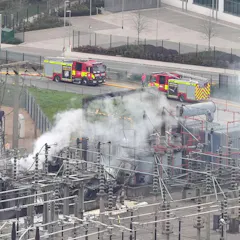
The airport is part of the UK’s critical national infrastructure.

The UK’s energy system is facing growing threats from unprecedented hazards.
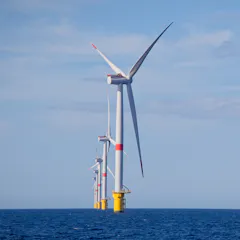
AI could help close cybersecurity vulnerabilities at offshore wind farms.
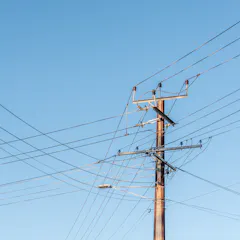
Increased investment in electricity generation, transmission and storage has led to a more positive outlook for the reliability of the system – if these projects are delivered on time.
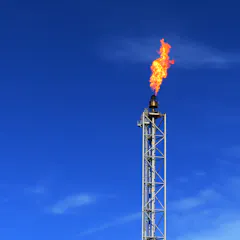
Japan is splashing cash for Australian gas to keep fossil fuels flowing under its net zero plan for South East Asia . But this undercuts Australia’s green export vision
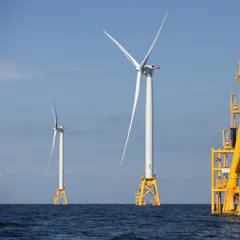
A big roadblock to offshore wind power is getting approval for onshore transmission lines. But what if there were fewer connection points, and power could flow both ways? Plans are underway.
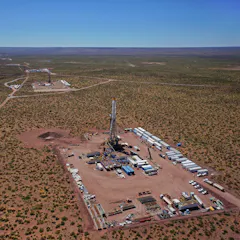
Why do governments still give billions to encourage fossil fuel production? The answer is often to shore up energy supplies.

One in 4 American households is at risk of losing power because of the high cost of energy. Over 30% of those disconnections are in summer, when heat gets dangerous.

Without Japanese public funding, Australia’s LNG boom would have slowed

What steps could the next UK government take to reduce demand for fossil fuels and help prevent gas prices spiking again?

One in 4 American households are at risk of losing power because of the high cost of energy. Over 30% of those disconnections are in summer, when heat gets dangerous.
Top contributors
-

Professorial Fellow, University of Canberra
-
Honorary Fellow, The University of Queensland
-
Professor of Law, Deakin University
-
Professor of Transport Technology and Sustainability, Swinburne University of Technology
-
Professor of Global Energy, Warwick Business School, University of Warwick
-
Senior Industry Fellow, Environment and Planning, RMIT University
-
Senior Fellow in Energy and Climate Change, Grattan Institute
-
Senior Research Associate, Renewable Energy & Energy Systems Analyst, UNSW
-
Présidente d'Eastern Circles et Maître de conférences en géopolitique, Sciences Po
-
Presidential Distinguished Professor of Energy Policy and City Planning, University of Pennsylvania
-
Lecturer in International Politics, King's College London
-
Professor of Political Science, School of Regulation and Global Governance, Australian National University
-
Lynton K. Caldwell Professor of Public Affairs, Indiana University
-
Purple House Medical Advisor. Honorary ANU., Australian National University
-
Professor of Engineering, Australian National University