
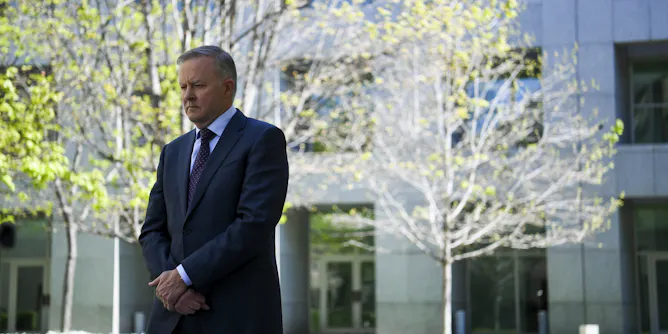
Labor is not due to announce its full climate plan until after international climate talks in Glasgow.
Articles on Energy policy
Displaying 41 - 60 of 214 articles

Developments in the energy sector shouldn’t be reduced to technological sophistication. They should be guided by how they improve the livelihoods of the intended beneficiaries.
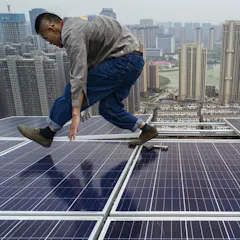
Energy and climate policies aren’t always headed in the same direction, but if they work together they can tackle two of the biggest challenges of our time.
The cost of decarbonising the UK’s energy system is falling disproportionately on the poorest.
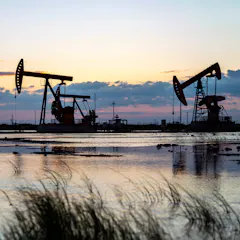
The seismic changes to energy supply and demand during the pandemic could be just the beginning.

The new commitments of state governments go some way to filling the void left by the lack of a national climate policy. The states should, and can, coordinate their efforts. Here’s how.
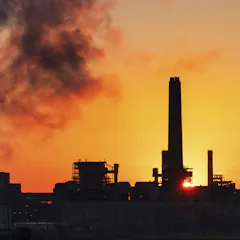
Contrary to popular belief, falling natural gas prices didn’t significantly accelerate coal power plant retirements. Here’s what did.

The Texas electric power market is designed to give energy companies incentive to sell electricity at the lowest possible cost. That focus helps explain why it collapsed during a historic cold wave.
Universal energy access can only be achieved if people have the capabilities to use the energy to transform their lives.
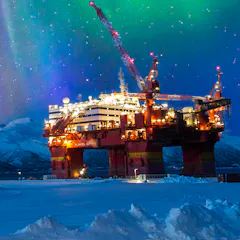
Landmark case highlights the conflict between immediate climate action and a gradual transition to renewables.
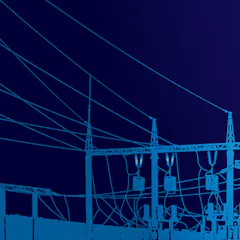
Labor has pledged to create a A$20 billion corporation to upgrade Australia’s energy transmission system. So what’s this all about?

Zimbabwe’s policy makers believe that deforestation is a threat to the economy, but citizens believe environmental degradation is an outcome of the country’s dire political and economic situation.
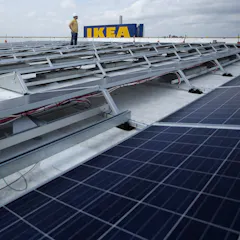
Increased business lobbying for incentives and mandates may tip the balance in favor of a cleaner US energy policy.
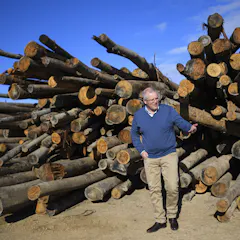
It has been another huge week in news, with coronavirus spikes in Melbourne, an investigation into former High Court judge Dyson Heydon, and a Labor plan for an energy policy framework.
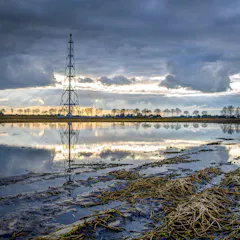
The case for carbon pricing is not as ironclad as the case for climate action.
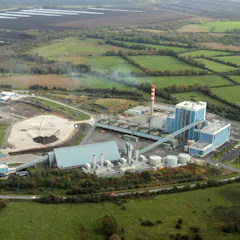
Ireland needs to stop burning peat, and wood from down under presents a surprising sustainability dilemma.
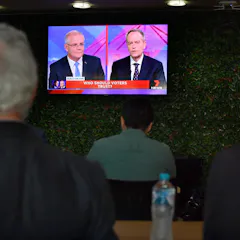
Voters disagree on importance of climate change, universally dislike current energy and environment policy.
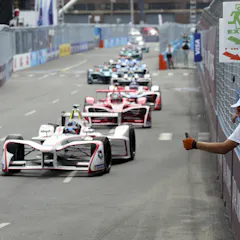
Only a small share of the vehicles Americans buy are electric. Even if all of them were, it would take until 2040 to phase out the fossil fuels used to power personal travel and road-bound freight.
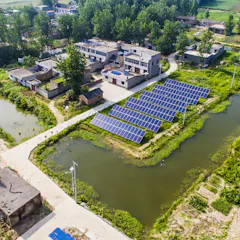
Small-scale renewable energy projects can power rural areas not connected to the main grid. But investors may hesitate if future electrification remains unpredictable.

Prabowo Subianto spoke in normative terms and failed to criticise Joko Widodo’s work.
Top contributors
-

Professorial Fellow, University of Canberra
-
Senior Industry Fellow, Environment and Planning, RMIT University
-
Senior Fellow in Energy and Climate Change, Grattan Institute
-
Senior Research Associate, University of Johannesburg
-
Honorary Associate Professor, Centre for Climate Economics and Policy, Australian National University
-
Senior Research Associate, Renewable Energy & Energy Systems Analyst, UNSW
-
Vice-Chancellor and President, University of Canberra
-
Departmental Visitor, Centre for Arab and Islamic Studies, Australian National University
-
Professor and Director, Victoria Energy Policy Centre, Victoria University
-
Lecturer in Energy Storage Systems Dynamics, Lancaster University
-
Energy Fellow, Grattan Institute
-
Democracy Deputy Program Director, Grattan Institute
-
Professor, Crawford School of Public Policy and Director, Centre for Climate and Energy Policy, Australian National University
-
Visiting Fellow, School of Global Studies, University of Sussex; University of Tartu; Utrecht University
-
Professor Emeritus, Macquarie Business School, Macquarie University