

Our homes are getting smarter and more connected – but at what cost to energy use?
Articles on Energy efficiency
Displaying 201 - 220 of 294 articles

Companies could improve their profits 2-10% each year by saving energy, according to a world-first attempt to assess energy performance.

Software is eating everything in this online, digital world. We need to design code that uses as little energy as possible.
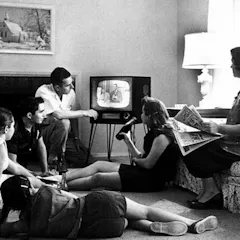
People who watch a lot of TV consume a disproportionate amount of electricity so we should tailor energy efficiency incentive programs to these and other big energy users.
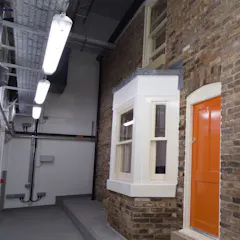
There’s loads of advice out there on how to save energy. But how much of it is based on real scientific evidence?
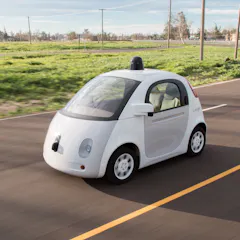
Self-driving cars are way more energy efficient than your average vehicle – but that doesn’t necessarily mean they’ll reduce carbon emissions.
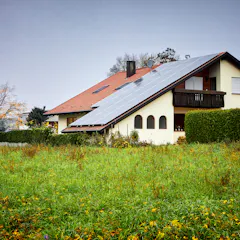
Homebuyers want energy-efficient homes. The challenge is to present the relevant information in a way that taps into the typical house-hunter’s mindset.
An obscure Supreme Court ruling paves the way for people and businesses to earn money with distributed energy technologies.
‘Energy productivity’ is the new buzz-phrase in energy and climate policy, what even is it?

Sweating it out through hot summer nights? Here are some tips when you’re looking for something to cool you down.
The key drivers for energy in the 21st century are managing climate change, shifting community concerns, and radical technology change.
Heating your home using electricity is not just cheaper, it’s more efficient and can be considered renewable.
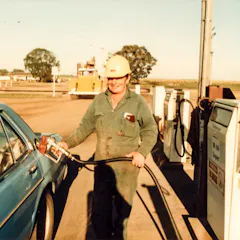
Vehicle efficiency isn’t just about reducing emissions. It can also save us money, and reduce our heavy reliance on imported oil.

Something is needed to give the stalwart lithium-ion battery a boost for our increasingly power hungry mobile devices.
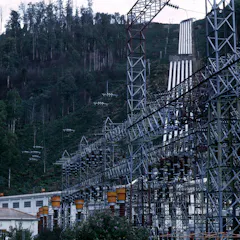
A year after the demise of the carbon tax, we might expect both coal and greenhouse emissions to have bounced back, at the expense of renewables like hydroelectricity. Sure enough, that’s what happened.
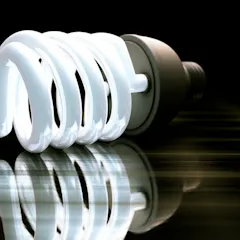
In June this year, forecasts revealed residential and business demand has risen for the first time in five years. The trend could be here to stay, according to a report released today from the Australia Institute.

Some worry that efforts to reduce energy consumption by increasing fuel efficiency cause a so-called rebound effect that eats into the expected savings. We tested the theory.
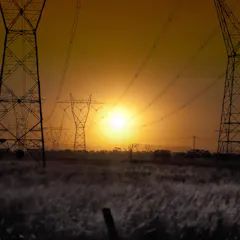
Electricity forecasts just 4 years ago predicted strong, uninterrupted growth in electricity demand. In reality, demand has fallen for the past four years. Why?
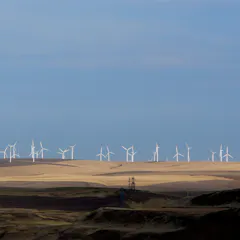
Smoothing out variable wind and solar is a growing problem. Instead of storing energy with batteries, utilities can adjust the power of millions of devices in buildings and homes.

Being time-poor makes it harder to be green, says a study which shows that people who work long hours are more likely to fall short on taking real action to address their environmental concerns.
Top contributors
-

Senior Industry Fellow, Environment and Planning, RMIT University
-
Associate Professor in Property, Construction and Project Management, RMIT University
-
Associate Deputy Vice Chancellor in Research & Innovation, RMIT University
-
Associate Professor in Housing, School of Property, Construction and Project Management, RMIT University
-
Energy Advisor, formerly, The University of Melbourne
-
Associate Professor in Sustainable Development
-
Professor of Sustainability, Rochester Institute of Technology
-
Associate Professor in Construction and Environmental Performance, The University of Melbourne
-
Honorary Associate Professor, Centre for Climate Economics and Policy, Australian National University
-
Professor of Construction and Environmental Assessment, The University of Melbourne
-
Research Director, Institute for Sustainable Futures, University of Technology Sydney
-
Associate, Melbourne Sustainable Society Institute, The University of Melbourne
-
Senior Professor, Sustainable Buildings Research Centre (SBRC), University of Wollongong
-
Professor of Energy Economics, co-coordinator of the Chaire Européenne de la Transition du Territoire, GEM
-
Honorary Senior Research Fellow at the Sustainable Buildings Research Centre, University of Wollongong