

The strategic goal for most countries is energy systems that are affordable and cannot be blocked or held hostage.
Articles on energy dominance
Displaying all articles
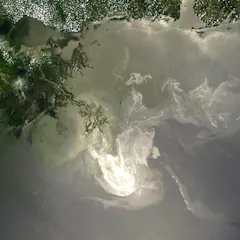
The BP Deepwater Horizon blowout on April 20, 2010 triggered the largest offshore oil spill in history. Ten years later, post-spill reforms are being undone and the Gulf of Mexico remains vulnerable.
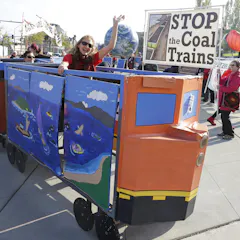
The ‘thin green line’ of resistance against any new infrastructure for shipping oil, gas and coal abroad has won many battles.
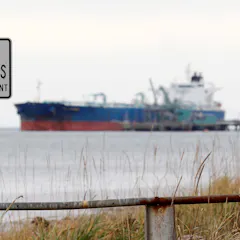
The ‘thin green line’ of resistance against any new infrastructure for shipping oil, gas and coal abroad has won many battles. But it faces a new source of pressure: the Trump administration.

If Iranian crude exports decline further it could make oil and gas prices rise.

There’s no precedent for selling oil from the Strategic Petroleum Reserve at a time when there’s no market-driven reason for doing that.
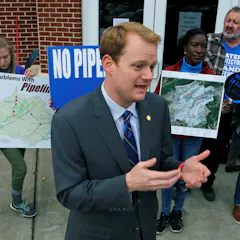
Whether they aim to stop pipelines in Virginia or block Pacific Northwest export terminals, organizers are trying to ‘keep it in the ground’ to save the climate.
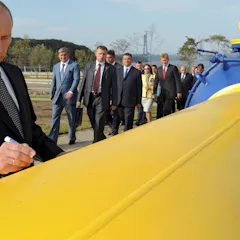
Even if Asia buys most of the natural gas the U.S. will be exporting soon, America’s growing role in that market could wind up reducing Russia’s political influence in Europe.
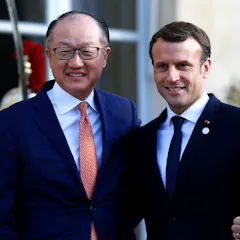
Its plan to stop lending money for oil and gas projects embraces the spirit of the Paris agreement at a time when the U.S. is going in a different direction.
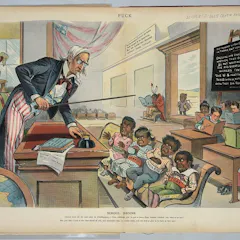
In Puerto Rico the Trump administration’s ‘energy dominance’ policy echoes colonial practices by fast-forwarding fossil fuel projects over community resistance.
The Trump administration has set a new national policy: energy dominance. But can the US really dominate other countries through fossil fuel exports?
Top contributors
-

Associate Professor of Sociology, School of Public Policy, Oregon State University
-
Faculty, Graduate Program on the Environment, Evergreen State College
-
Associate Professor of History, Case Western Reserve University
-
Nonresident Fellow in Energy Studies, Baker Institute for Public Policy, Rice University
-
Postdoctoral Fellow, Center for Presidential History, Southern Methodist University
-
Assistant Professor of Digital Communication, The University of Texas at San Antonio
-
Professor of Marine Science, University of Maryland Center for Environmental Science
-
Teaching Assistant Professor, Director of Climate Change Studies, University of Montana
-
Senior research associate (Resources for the Future), Lecturer (University of Michigan Ford School of Public Policy), University of Michigan
-
Professor, Geography Department and School of Public Policy & Global Affairs, University of British Columbia
-
Associate Professor of Political Science and Policy Studies, Elon University