
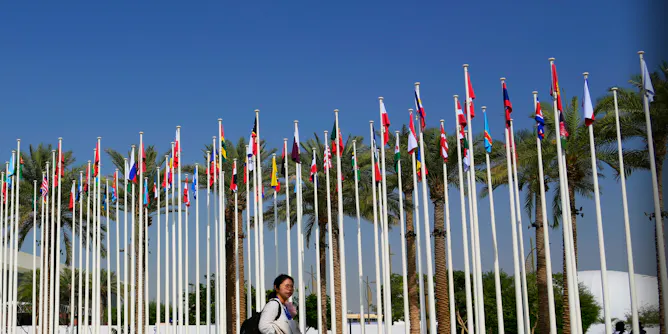
Modelling finds the economic impacts of current emissions reduction commitments are limited for countries not heavily dependent on fossil fuel exports.
Articles on emissions reduction targets
Displaying 1 - 20 of 25 articles

UN Secretary-General António Guterres says rules around corporate emissions reporting are “wide enough to drive a diesel truck through”.
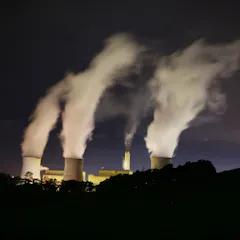
When it comes to emissions reduction, Australia needs a proper national conversation and a long-term plan. The climate change bill about to pass parliament doesn’t provide this.
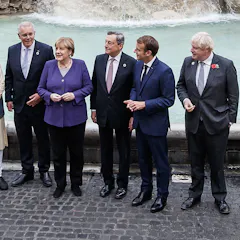
Leaders of the world’s wealthiest 20 countries failed to reach any major commitments on climate action, including a timeline to phase out fossil fuels.
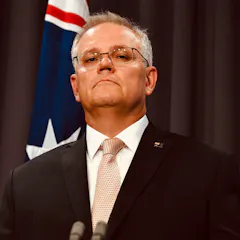
When Prime Minister Scott Morrison returns from the Glasgow climate summit, he must start a proper national conversation on net-zero.
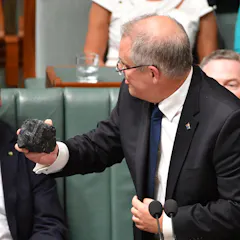
Prime Minister Scott Morrison is poised to announce Australia will adopt a target of net-zero greenhouse gas emissions by 2050. But it’s too little, too late.
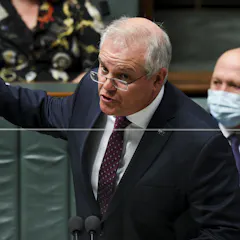
Australia is now taking a 2050 target to Glasgow, but this does not mean we are fulfilling the undertakings we made in Paris.
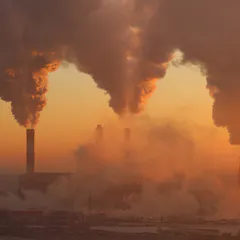
The United Nations climate summit in Glasgow next month is the first real test of whether the world can limit global warming below catastrophic levels.
Reaching net-zero emissions will require intense policy focus, private investment and clear accountability – conditions only a firm numerical target can provide.
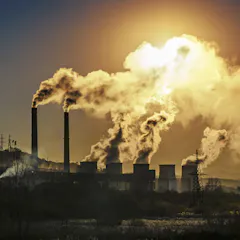
Humanity can still limit global warming to 1.5°C this century. But political action will determine whether it actually does. Conflating the two questions amounts to dangerous, misplaced punditry.
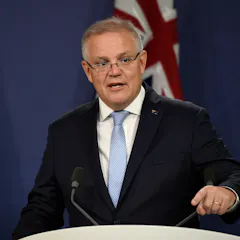
The world, accustomed to Australia’s shifty climate stance, is unlikely to fall for Morrison’s diversion tactics at Biden’s climate summit this week.
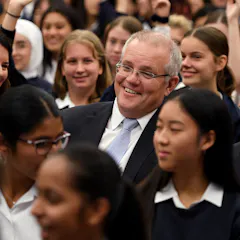
We hear a lot about the Morrison government ‘kicking the can down the road’ on emissions reduction. New research reveals the precise burden that forces onto young Australians.
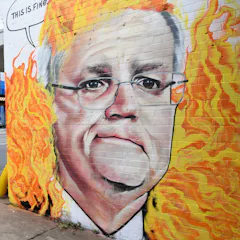
As recent political history shows, emissions reduction targets must be legally binding if we’re to have any hope of reaching them.
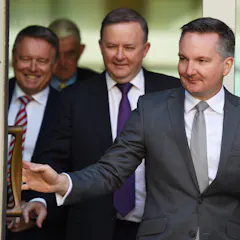
Fitzgibbon’s right-wing parliamentary colleagues seemed to accept his public undermining of Mark Butler. It will be interesting to see if they permit the same treatment of Bowen.

Many Asian nations are shunning fossil fuels, presenting a huge opportunity for Australia’s renewables sector. And one massive project has stepped up to the plate.
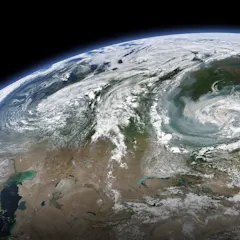
Simple maths reveals Labor’s policy, if replicated by all other nations, would not avert dangerous global warming.

Earth has only a few chances to avert catastrophic climate change. At the COP25 in Madrid, we blew one of them.
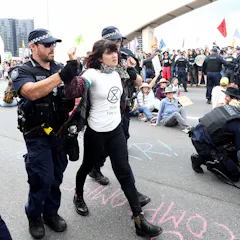
Deep Saini and Michelle Grattan discuss the acts of civil disobedience by climate activist group Extinction Rebellion, and consider what Australia’s responsibility is in the Turkey-Syria conflict.
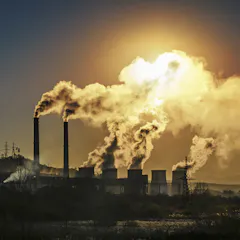
The climate policy has become an article of faith within Labor, and among many supporters. It’s also a policy that in the election split voters Labor needed, attracting some but driving away others.
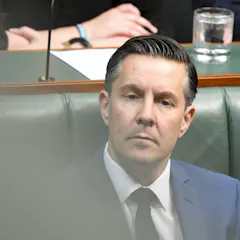
Opposition resources spokesman Joel Fitzgibbon has had his proposal to bring Labor’s climate change target into line with the government’s immediately torpedoed by the party’s climate spokesman Mark Butler.
Top contributors
-

Professor, Crawford School of Public Policy and Director, Centre for Climate and Energy Policy, Australian National University
-
Emeritus Professor, Fenner School of Environment & Society, Australian National University
-
Professorial Fellow, University of Canberra
-
climate campaigner
-
Adjunct Professor of Energy, Murdoch University
-
Professor Emerita, Department of Biological Sciences, Macquarie University
-
Professor, Griffith Law School, Griffith University
-
Professor Emeritus, Macquarie Business School, Macquarie University
-
Research Fellow, Deakin University
-
Professor, Australian Studies Institute, Australian National University
-
Professor and Chair, Tax and Transfer Policy Institute, Crawford School of Public Policy, Australian National University
-
Research Associate, Institute for Climate Risk and Response, UNSW
-
Emeritus Professor, Curtin University
-
Senior Research Fellow and Associate Professor, Melbourne Climate Futures initiative, The University of Melbourne
-
Senior Research Fellow, School of Geography, Earth and Atmospheric Sciences, The University of Melbourne