
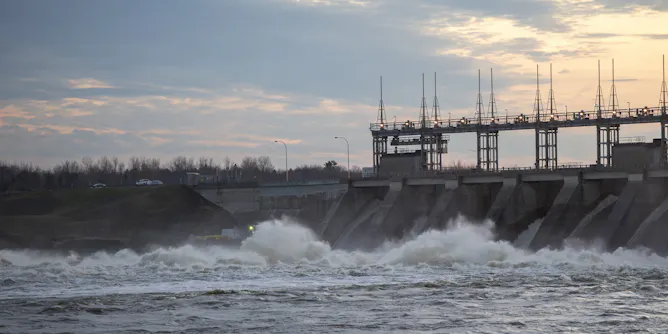
The electricity sector is expected to play a key role in Canada’s push to net-zero emissions. Enhancing long-distance transmission can be lower the cost of providing clean and reliable electricity.
Articles on Electricity generation
Displaying 21 - 38 of 38 articles

Solar power doesn’t have to be just for the wealthy anymore. With the right kind of financial incentives, households at all income levels can benefit from affordable clean energy.
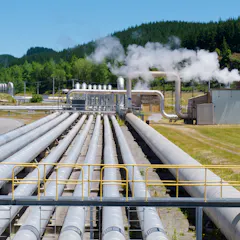
Geothermal reservoirs supply more than 15% of New Zealand’s electricity. The heat energy stored in geothermal fields is vast but not infinite.

New Zealand’s electricity generation is already more than 80% renewable, but experts warn a 100% target would require significant over-building of renewable generation that would rarely be used.
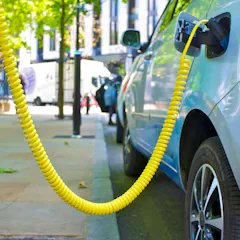
South Africa’s well positioned to adopt electric vehicles but this isn’t a solution in itself because the vehicles would still depend on electricity generated from carbon-emitting coal power stations.
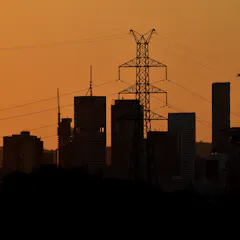
The rules governing Australia’s electricity market are more than 20 years old and no longer serve consumers, or climate action. But big energy companies are using COVID-19 to delay reform.
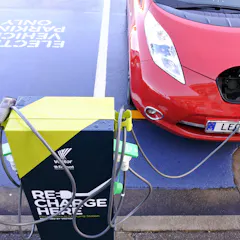
A switch to electric transport is one of New Zealand’s key climate strategies. It will increase demand on the national grid, but might also help increase renewable electricity generation.

The US is gradually shifting to lower-carbon energy sources, but the COVID-19 pandemic, an oil price crash and a likely recession are big speed bumps.
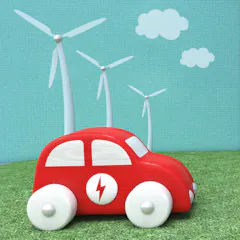
Our power plants may be dirty now. But unlike combustion vehicles, electric cars give us the chance to finally free ourselves from high-carbon travel.
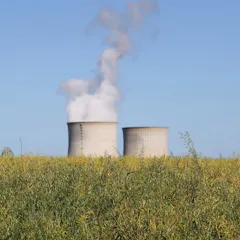
Nuclear energy generates 75% of France’s electricity, and ongoing troubles at the new Flamanville EPR reactor have raised crucial questions about its future in the country’s electricity mix.

The United Nations is calling on world governments to step up action against climate change. Can China, the world’s biggest carbon emitter, fulfill its pledges?

Natural gas supplies are growing, but so are other markets for it besides power generation.
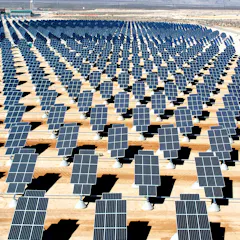
Solar photovoltaics and wind power are on track to supplant fossil-fuel-based electricity generation by the 2030s. The only thing holding back the renewable revolution is politics.

You may already have a smart meter at home, which monitors your electricity use at 30-minute intervals. But until you can access that data yourself, you could be missing out on the best power deals.
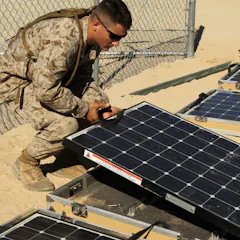
US military bases usually get their electricity from the civilian grid, which is vulnerable to attack and to disaster. Solar-powered microgrids could protect national security, and would save money.
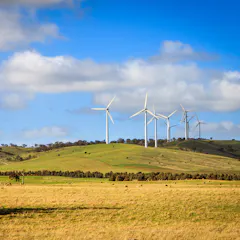
Victoria’s plan to legislate its own renewable energy target of 40% by 2025 shows how states are increasingly taking the energy policy reins away from the federal government.
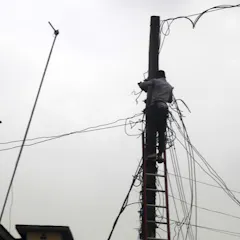
The centralised regulation of electric power in Nigeria is stalling progress in the sector. To achieve stable power supply, the country must obey its constitution and decentralise regulation.
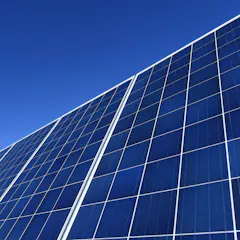
Solar PV and wind energy have overtaken coal as the leading sources of new electricity generation worldwide, with falling prices and new storage technologies making clean energy ever more attainable.
Top contributors
-

Postdoctoral Research Assistant, Energy Systems and Data Group, University of Birmingham
-
Professor of Engineering, Australian National University
-
Associate Professor, Energy Systems and Data Group, Birmingham Energy Institute, University of Birmingham
-
Professor of Physics, University of Johannesburg
-
Senior Scientist, Lawrence Berkeley National Laboratory
-
Professor, School of Economics, The University of Queensland
-
Professor of Law, Deakin University
-
PhD in Probabilistic Supply and Demand Forecasting of UK Hyper Local Energy Systems using Machine Learning, University of Birmingham
-
Associate Professor of Energy/Electricity Law, University of Lagos
-
Professor of Energy Transition, Heriot-Watt University
-
Assistant Professor, Economics, University of Regina
-
Professorial fellow, Flinders University; Australian National University
-
Affiliate, Electricity Markets & Policy Group, Lawrence Berkeley National Laboratory
-
Professor of Computer Science, University of Waikato
-
Research Consultant, Lawrence Berkeley National Laboratory