
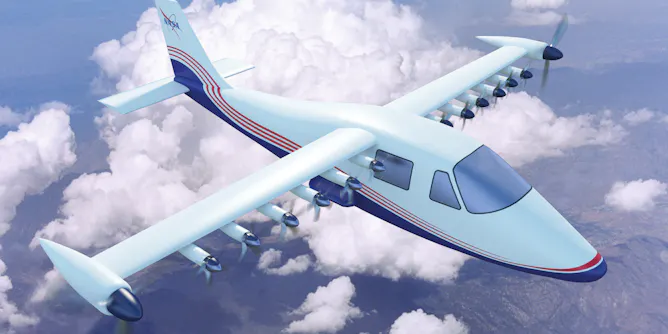
Batteries could well be powering short-haul flights in the near future.
Articles on Electric aircraft
Displaying all articles

Commercial flights could one day be propelled by sustainable fuels, renewable energy or hydrogen propulsion – but big challenges remain.
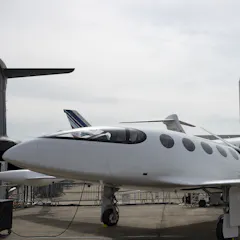
Small regional flights will soon start going electric but batteries are unlikely to ever fully power large airliners.
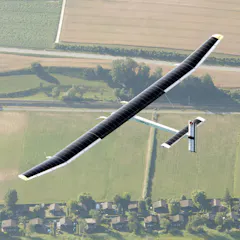
Unlike a car, you can’t just stick a battery-powered engine in a plane and expect it to fly. Despite that, small planes might be the future of electric flight.
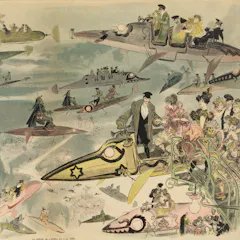
More than a century since humans learned to fly, we need to revolutionise how we stay up there.

Some countries have already committed to using electric aircraft on domestic routes. These aircraft could slash costs and emissions on some of Australia’s busiest flight routes.
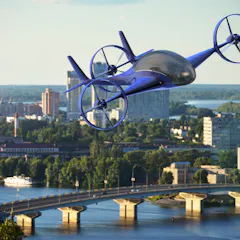
With further technology required and practical uncertainties, time is running out for them to be useful in the fight against climate change.
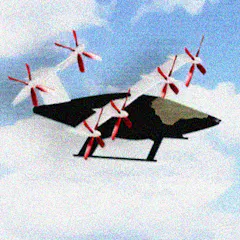
The battery technology and cooling systems needed for electric aircraft to lift people and cargo are getting closer to reality, but they’re still very different from electric cars and trucks.
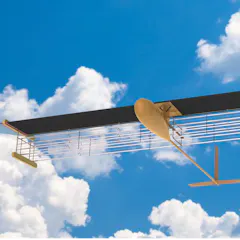
MIT researchers have built ion thrusters with no moving parts pave the way for silent drones.
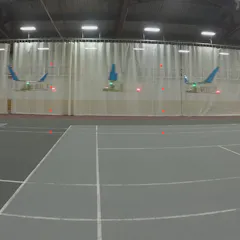
Ionic winds – charged particles flowing through the air – can move airplanes using only electricity; no propellers or jet engines needed. The scholar who led the project explains how it works.
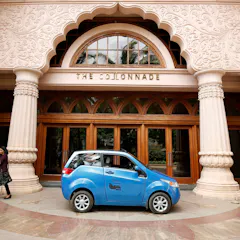
There is a rapid shift in production of electric cars all over the world. But how will it benefit ordinary people?
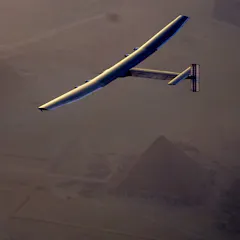
Don’t expect a solar-powered 747 anytime soon.

The airline industry’s promised technological solutions have not arrived, and they never will.
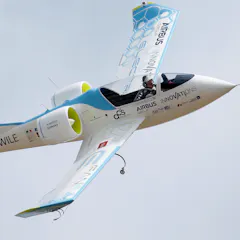
With emissions targets to hit and oil running out, it’s time to take electric planes seriously.
Top contributors
-

Professor of Engineering Dynamics and Vibration, University of Cambridge
-
Research Assistant in Mechanical Engineering, Carnegie Mellon University
-
Associate Professor of Mechanical Engineering, Carnegie Mellon University
-
Associated Professor Sustainable Tourism and Transport, NHTV Breda University of Applied Sciences
-
Senior Lecturer in Tourism, University of Surrey
-
Professor of Aeronautics and Astronautics, Massachusetts Institute of Technology (MIT)
-
Senior Lecturer in Fluid Mechanics, University of Portsmouth
-
Professor of Tourism, Griffith University
-
Professor in Service Management and Service Studies, Lund University
-
Ph.D. Candidate in Mechanical Engineering, Carnegie Mellon University
-
Curtin University
-
Senior Lecturer in Applied Aerodynamics, Loughborough University
-
Professor of Aviation, Griffith University
-
Senior Lecturer in Aerospace Design and Propulsion, University of Sydney
-
Senior Lecturer in Natural and Built Environment, Sheffield Hallam University