
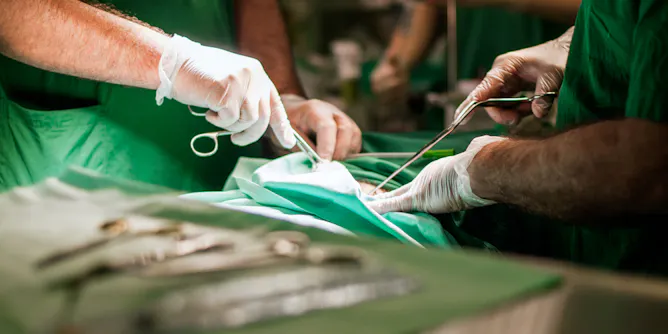
This is a structural problem, not something one budget can fix.
Articles on Elective surgery
Displaying all articles
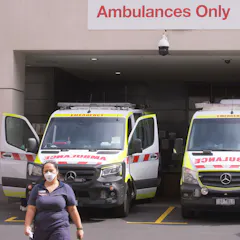
A public health expert explains emergency measures recently brought in to manage the impact of Omicron on our stressed health system.
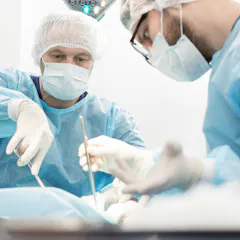
Hospitals in regional Victoria can now begin ramping up their elective surgeries again, with metropolitan Melbourne soon to follow. But six months of partial shutdown has left a significant backlog.

Expect fewer visits to the clinic, fewer people in the waiting room at once, and temperature checks.
Drop, suspend, downgrade or keep? Many people are feeling the pinch and wondering if private heath insurance is worth keeping during the coronavirus pandemic. Here’s what to consider.

If you’re scheduled for surgery in a private hospital, the hospital or surgeon will contact you. Public hospital patients shouldn’t expect to hear from the hospital until we hear more from the states.
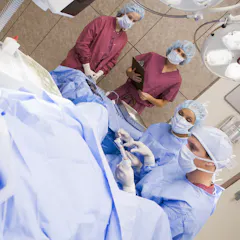
The COVID-19 pandemic gives us a chance to improve our elective surgery system when it restarts.
Restrictions are to be eased on elective surgery, enabling a “gradual restart” to procedures next week.
Last month, Australia announced a pause on all elective surgeries. This could have mixed effects now and in the longer term.

Reports often talk about surgery wait times, but the time to actually see the specialist for the first time is the hidden waitlist.
There’s often limited evidence for many common types of surgery. Understanding what makes good evidence is the key to deciding what’s best for you.
Waiting for emergency care, specialist appointments and “elective” procedures is not only inconvenient and frustrating, it can also be painful and detrimental to your health and well-being.
If you present to a hospital on the weekend, you have a higher chance of dying than if you present during the week. This is known as the “weekend effect”.
Top contributors
-

Honorary Enterprise Professor, School of Population and Global Health, and Department of General Practice and Primary Care, The University of Melbourne
-
Professor of Orthopaedic Surgery, UNSW
-
Professor, Public Service Research, UNSW
-
Senior Lecturer, University of Sydney
-
Emeritus Professor, Menzies Centre for Health Policy, University of Sydney
-
Professor and Director, Macquarie University Centre for the Health Economy, Macquarie University
-
Adjunct Senior Research Fellow, Global and Women's Health, School of Public Health & Preventive Medicine, Monash University
-
Professorial Fellow, University of Canberra
-
Adjunct clinical professor, Monash University
-
Professor/Director, Department of Anaesthesiology and Perioperative Medicine, Alfred Hospital and Monash University, Monash University
-
Professor, Public Health, Victoria University, Victoria University
-
Reader in Health Economics, Centre for Health Economics, University of York