
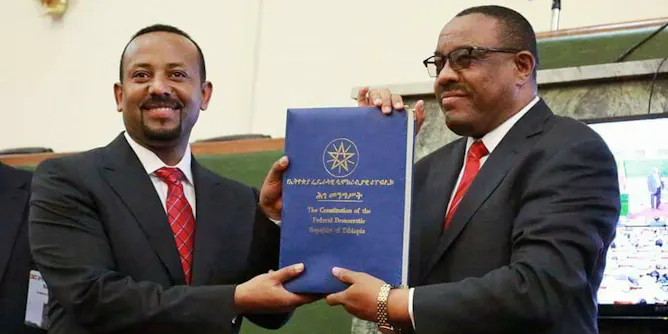
In parliamentary democracies, prime ministers remain in office for as long as they retain the confidence of parliament.
Articles on elections + governance
Displaying all articles

Ethiopia’s upcoming election provides an opportunity to allow for greater political representation.

Tundu Lissu’s persistence in tackling democratic backsliding in Tanzania has made him a formidable force.
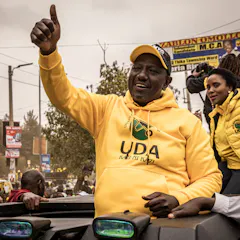
The state’s efforts to quell public protests show some worrying similarities to the past.
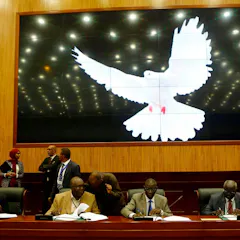
A major hurdle in South Sudan is the presence of detractors who undermine the successful implementation of peace deals.
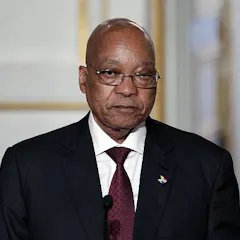
Jacob Zuma claims that his new political home, the Umkhonto we Sizwe Party, is the authentic ANC, not the one led by President Cyril Ramaphosa.
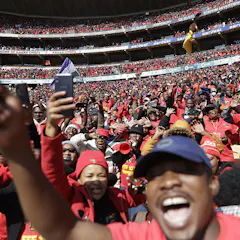
Opinions differ widely about the true character of the EFF and what it really stands for since it gained seats in parliament in 2014.

President Emmerson Mnangagwa has not faced official investigation or prosecution over his role in Operation Gukurahundi – 40 years on.
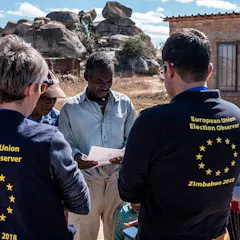
Observers regularly face dangers owing to political instability, insecurity, violence and other crises in some countries.
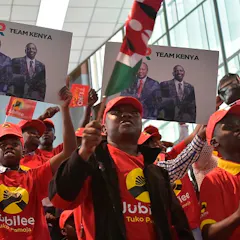
The fluidity of the country’s short-lived coalitions is a major cause of instability in Kenya.

Tanzania’s refugee policy in the 1990s is a good example of how geopolitics affects ordinary refugees.

Electoral violence, low voter turnout, ethnic politics and voters’ suppression were notable features of the 2023 general elections in Nigeria.
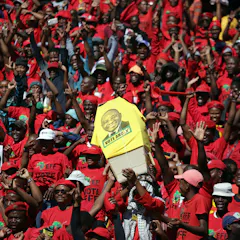
ANC and EFF differ on ideology and policy – an alliance between them would prove difficult to put together and made to work.
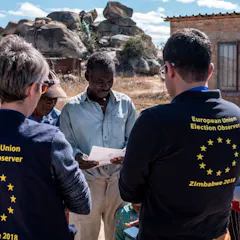
Voters speak favourably about the potential of observation to improve overall electoral quality and transparency.
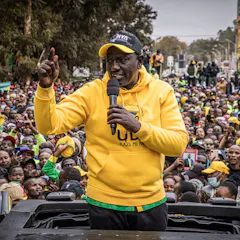
The centrality of religion as a governing principle is cause for concern given the reversals of women’s rights seen globally.

The presence of fringe presidential contenders is a marker of maturing democracies.
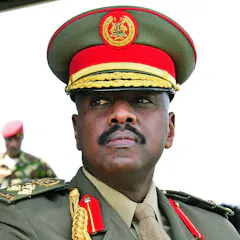
The plan to replace Museveni with his son has dramatically shifted from rumour to reality in recent months.
Top contributors
-

Senior Lecturer in African Studies, University of Edinburgh
-
Professor Emeritus of Political Science, College of Saint Benedict & Saint John's University
-
Senior Lecturer, HOD-Mass Communication, Kabarak University
-
Professor of Anthropology and International Development, The University of Western Australia
-
Professor in Political Science, University of South Africa
-
Professor of Feminist and Security Studies, SOAS, University of London
-
Professor, Department of Political Sciences, University of South Africa
-
Jan Smuts Professor of International Relations and Director of the African Centre for the Study of the United States (ACSUS), University of the Witwatersrand
-
Lecturer, RMIT University
-
Assistant Professor, Loyola University Chicago
-
Professor of Comparative Politics, University of Warwick
-
Lecturer, Nelson Mandela University
-
Honorary Senior Research Fellow, University of Stirling
-
Research Fellow in African Studies, University of Edinburgh
-
Senior Lecturer, Department of Political Science, University of Nigeria