
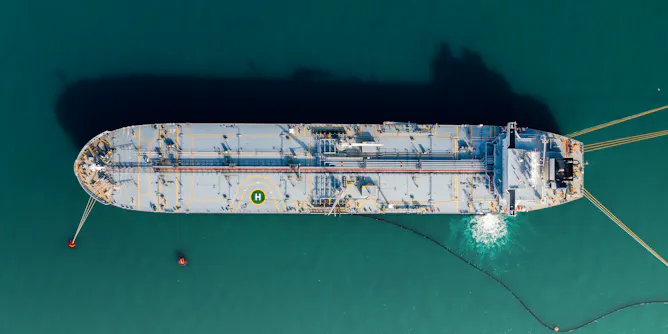
Despite Iranian threats to destroy any ships that pass through a key maritime route, some ships are still doing so.
Articles on Economic sanctions
Displaying 1 - 20 of 44 articles

While sanctions aim to punish regimes, they often punish citizens instead.
Sanctions drive nations towards building domestic industries to replace imported goods and strengthening alliances with supportive countries.
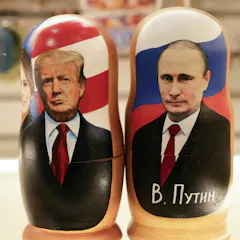
Trump is a transactional president, and US companies could profit if the country aligns with Russia – or backs Ukraine, depending on what is involved for the US.
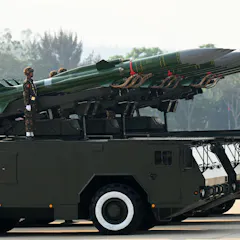
Economic proscriptions by the US and EU are hampered by lack of support among Myanmar’s major trading partners in the region.
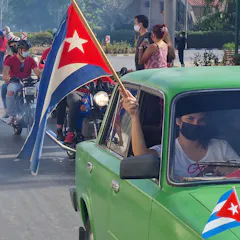
Cuba’s economy – saddled by US sanctions and ill-timed reforms – is in dire straits.
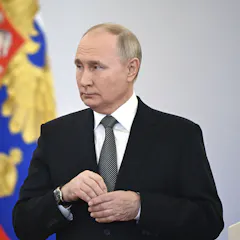
Polls suggest many Russians remain supportive of Putin and the war in Ukraine. Economic realities and western double standards likely play a big role.
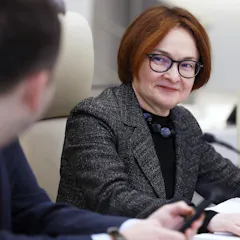
Who will pay to rebuild Ukraine? Canada is the first to pass a law allowing Russian state assets to be seized to rebuild Ukraine, but will it discourage Russia from ending the war?

Some western companies have continued operating in Russia since it invaded Ukraine, while others have left the country altogether.
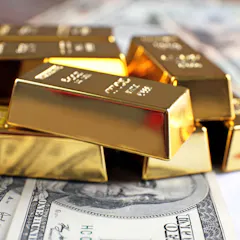
In a world where economic sanctions make trade in US dollars almost impossible, gold has offered a way to evade these restrictions.
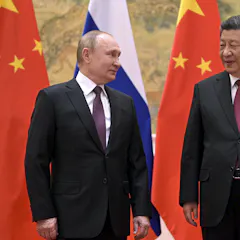
The US and dozens of other nations have punished Russia with round after round of sanctions – yet the Russian economy is expected to grow in 2023.

As President Biden begins meeting with congressional leaders to resolve the debt ceiling showdown, an economist warns the consequences of a default could be dire.
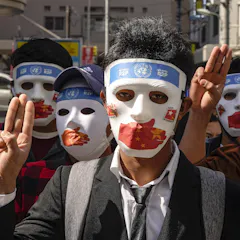
An undemocratic Myanmar serves no one’s interests except China.

Having already spent 20 months in a prison, Aung San Syy Kyi’s Australian economic advisor is due for release in January 2024.
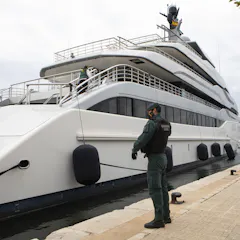
The US has frozen tens of billions of dollars worth of assets belonging to Russians and their government. A legal scholar explains why confiscating them is a bit trickier.

Canada has played the role of a global peace advocate before. Rarely has the world needed it more than right now.
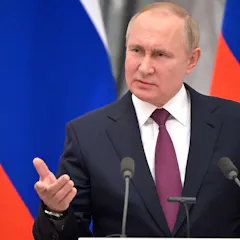
In recent years, Western governments have, in effect, aided the rise of personalist dictators in Russia, Iraq, Libya, North Korea and Venezuela.
Personalist dictators tend to shield the elites who support them from the economic pain of sanctions by pushing costs onto regular people.
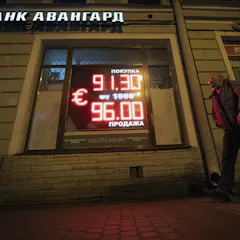
A closer look at Bitcoin transactions suggests ordinary Russians are the ones buying more cryptocurrency, hoping to hang onto savings as the ruble’s value plummets.
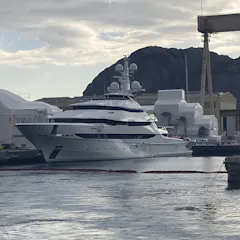
The targeting of elite interests has been at the centre of recent sanctions policies, including sanctions on Russia. We look at the effectiveness of targeting in Iran in the 2010s.
Top contributors
-

Associate Professor of Agri-Food Trade and Policy, University of Guelph
-
Professor Emeritus, Kroc Institute for International Peace Studies, University of Notre Dame
-
Associate Professor of Political and Social Sciences, Universitat Pompeu Fabra
-
Professor of Political Science, Penn State
-
Associate Professor in International Management, Curtin University
-
Associate Professor of Political Science, Brock University
-
Research Assistant, University of Manitoba
-
Professor of Economics, Özyeğin University
-
PhD Candidate in Political Economy, King's College London
-
Associate Professor of Economics, University of Exeter
-
Director of the Curtin Extremism Research Network (CERN), Curtin University
-
Associate Director, Center for Expanding Viewpoints in Higher Education, Tufts University
-
Professor of Government, Wesleyan University
-
Teaching Assistant Professor, East Carolina University
-
Professor and Director of the Centre for Defence and Security Studies, University of Manitoba