
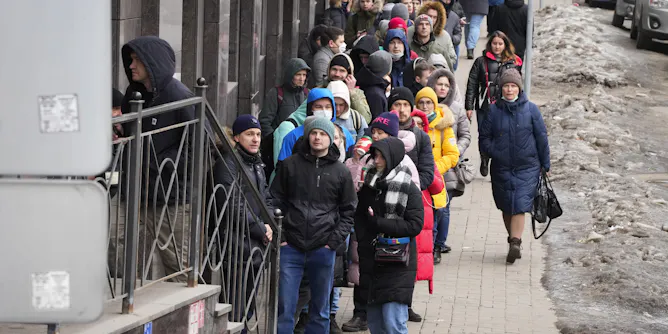
Over-reliance on sanctions and economic warfare measures have led to strategic complacency and the avoidance of negotiations on the part of the western governments.
Articles on Economic sanctions
Displaying 21 - 40 of 44 articles
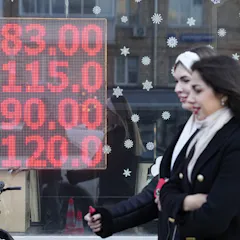
With Russia’s “great power status” tied closely to economic power, the country’s crumbling economy is putting Putin’s claims to legitimacy at risk.
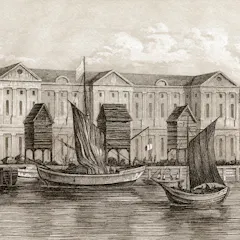
Warring countries have ben imposing sanctions on their enemies for hundreds of years. They have met with mixed success.

Some economic sanctions may violate international law principles, including those the sanctions are intended to enforce. They may therefore undermine the very legal regimes Canadians champion.
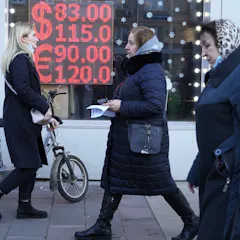
As the world rightfully fears for the Ukrainian people, we must not turn a blind eye to Russians who are also Putin’s victims and will suffer the most from economic sanctions.
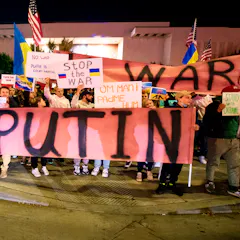
The EU, UK and US hold considerable leverage, but they need to make complex calculations about how to use it.

Approximately 69% of Russians approve of President Vladimir Putin. But a costly war is likely to chip away at his popularity, history and data tell us.
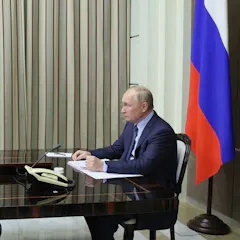
The Biden administration has threatened severe sanctions if Russia were to invade Ukraine. An economic sanctions scholar explains why they probably won’t be effective.
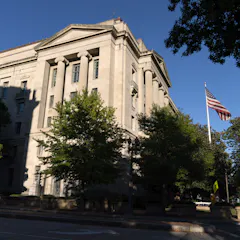
A scholar of cyber conflict sets out why retaliation doesn’t prevent future attacks, and explains what might have a better chance.
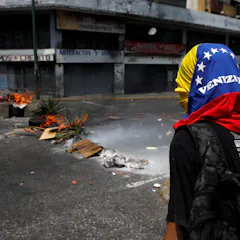
For one, you can’t break an economy that’s already broken.
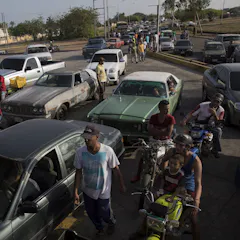
The devastating costs of economic sanctions on Venezuela are being ignored or disregarded. So too is the lack of a legal basis for international intervention.

Trump announced ‘hard-hitting’ new sanctions on Iran in response to the attack on a US drone. A peace studies scholar explains why sanctions rarely work.
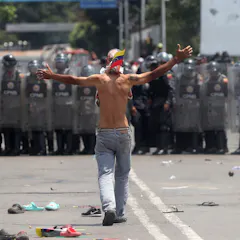
Food and medical aid at Venezuela’s borders could spark a revolution.

Private companies – many based in the US – are blocking access to their websites from particular countries around the world. It’s contributing to a splintering of the global internet.
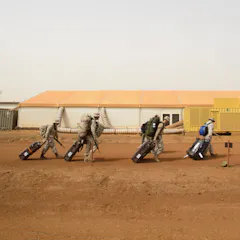
The federal government has set aside $22.2 million to develop and co-ordinate sanctions while educating Canadians about their obligations. Where to start is the first question.
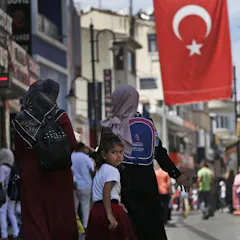
US sanctions announced earlier this month may have triggered the plunge in the lira, but the government has been mismanaging Turkey’s economy for years, creating severe vulnerabilities.

The diplomatic spat between Canada and Saudi Arabia could have serious economic ramifications as well. When diplomatic ties are cut, research shows trade suffers significantly.
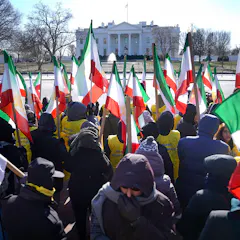
The Iranian government reacted to a nationwide truck drivers’ strike with unprecedented restraint, apparently fearful a crackdown might provoke a Trump intervention.
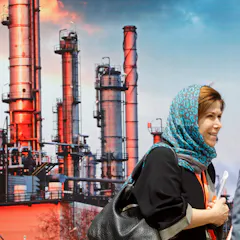
It largely depends on whether Europe will decide to ignore (and pay the price for) US sanctions.

China is succeeding in a high-stakes poker game on the Korean Peninsula. Did Canada and the U.S. just play into Chinese hands?
Top contributors
-

Associate Professor of Agri-Food Trade and Policy, University of Guelph
-
Professor Emeritus, Kroc Institute for International Peace Studies, University of Notre Dame
-
Associate Professor of Political and Social Sciences, Universitat Pompeu Fabra
-
Professor of Political Science, Penn State
-
Associate Professor in International Management, Curtin University
-
Associate Professor of Political Science, Brock University
-
Research Assistant, University of Manitoba
-
Professor of Economics, Özyeğin University
-
PhD Candidate in Political Economy, King's College London
-
Associate Professor of Economics, University of Exeter
-
Director of the Curtin Extremism Research Network (CERN), Curtin University
-
Associate Director, Center for Expanding Viewpoints in Higher Education, Tufts University
-
Professor of Government, Wesleyan University
-
Teaching Assistant Professor, East Carolina University
-
Professor and Director of the Centre for Defence and Security Studies, University of Manitoba