
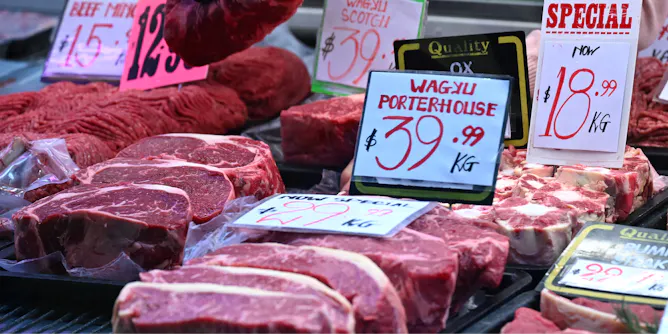
Modelling shows higher costs affecting freight, food production, and manufacturing – pushing up the cost of all kinds of goods, from steak to steel.
Articles on Economic modelling
Displaying 1 - 20 of 48 articles

COVID models helped counter the virus but revealed less about the impacts of emergency measures. More sophisticated modelling can help balance those trade-offs.
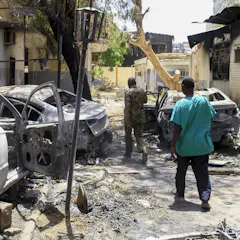
If the conflict endures, the value of Sudan’s economy will contract by up to 42% – with 7 million more people falling into poverty.
Joining us from Washington DC is Warwick McKibbin, an internationally renowned economic modeller from the ANU whose services are now in high demand.
Former treasury boss Ken Henry has fessed up to helping dumb down debates about tax and budgets to lists of winners and losers. He says what matters is what wins rather than who.

From an economic viewpoint, the idea may initially appeal by appearing to maximise the economic utility of the receiver. But it suffers from fundamental flaws.

Donors and grantmakers often pressure nonprofits to spend as little as possible on fundraising and overhead.
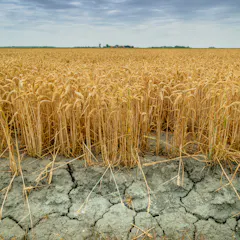
When economists model climate impacts, they look to what past weather shocks have done to the economy. But this does not remotely capture what climate change could do.
The first ‘climate-smart’ sovereign credit rating shows 59 nations will have lower ratings before 2030 without emissions cuts.

It’s the question still hanging over Brisbane’s 2032 Olympics, which made Victoria cancel its Commonwealth Games: do such mega events pay their own way? The evidence suggests they’re unlikely to.
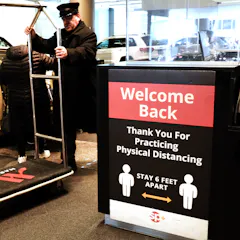
Workplace absences, along with sales lost due to the cessation of brick-and-mortar retail shopping, airline travel and public gatherings, contributed the most.

An unfunded expansion of the social transfer system could lead to even worse economic outcomes — the medicine should not be worse than the disease.
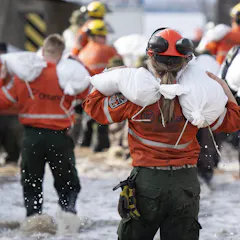
Reducing greenhouse gases is expensive, but it’s a great investment compared to the damage we can expect to the Canadian economy if the climate warms 5 C by 2100.
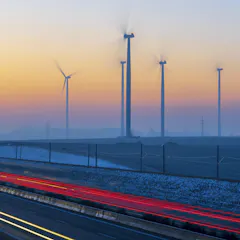
Human behaviors shift. Policies change. New technology arrives and evolves. All those changes and more are hard to predict, and they affect tomorrow’s costs.
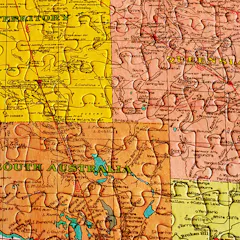
Forestry is a surprising winner in detailed projections prepared by Victoria University. Queensland has the most to lose from a move to net-zero.
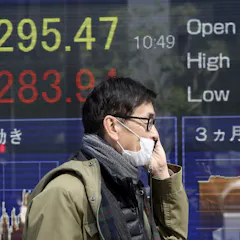
As countries get ready to re-open their economies, will there be a post-pandemic recovery? History and current economic models suggest those looking for a quick rebound will be disappointed.
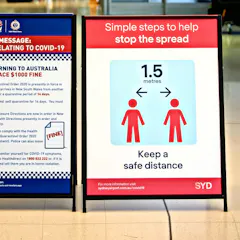
Australian National University modelling has a good record on predicting infections. Deaths will depend on the extent of the lockdown.
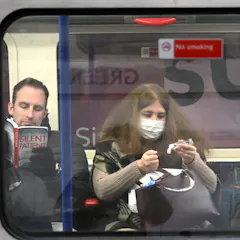
The same techniques used to model the SARS pandemic for the World Health Organisation produce results ranging from bad to catastrophic.

The conventional case for swapping stamp duty for land tax will boost the economy has weak underpinnings.
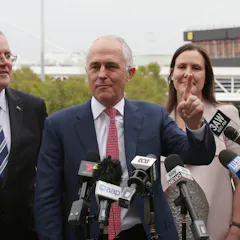
Billions of taxpayer dollars are committed before all the evidence for, and against, infrastructure projects is in. As well as missing business cases, basic rules of economic modelling are broken.
Top contributors
-

Lecturer in Economics, Te Kunenga ki Pūrehuroa – Massey University
-
Professor of Sustainability, Curtin University
-
Royal Society University Research Fellow, University of Sheffield
-
Professor of Economics, University of Pretoria
-
Associate Professor in Political Economy, University of Sydney
-
Associate Professor, University of Pretoria
-
Professor of Regional Economic Development, School of Business and Law, CQUniversity Australia
-
Reader in Sociology, Loughborough University; Independent Social Research Foundation
-
Dean of Business School, University of Southern Queensland
-
Professor, School of Economics, The University of Queensland
-
Professor of AI and Public Policy, University of Salford
-
Senior Lecturer, School of Economics, The University of Queensland
-
Professor of Ancient History, University of Bristol
-
Emeritus Professor of Politics and Policy, Deakin University
-
CSIRO Research Group Leader Ecosystem Modelling and Risk Assessment, CSIRO