
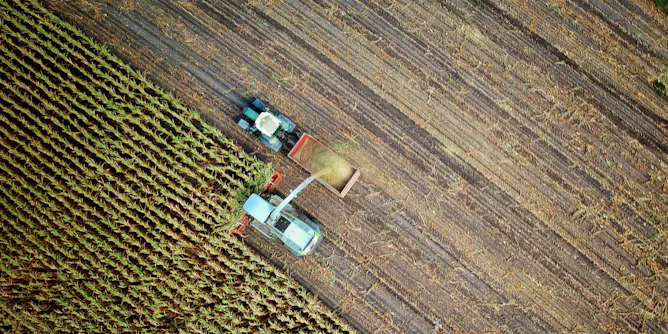
As we debate the proposals for what the world after the virus should look like, it is crucial that we understand the roots of what got us here.
Articles on Earth Day
Displaying 21 - 36 of 36 articles

In a land-based early childhood program sustained and enriched by relationships with Indigenous Knowledge Holders, children learn that ‘water is us.’

When the current crisis passes, we must seize the opportunity to re-imagine, and to create, a different kind of future.
April 22, 2020 is the 50th anniversary of Earth Day, which catalyzed action to protect the environment not just in the US but internationally.

Historically, western corporate maps have been privileged over Indigenous ones. But given the essential debate of territory in resource conflicts, maps are a crucial tool.
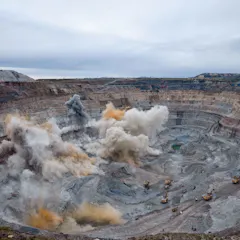
Much of the devastation of our globe’s natural resources traces its origins to early colonialism. These relationships continue to define the extraction of resources that severely impact ecosystems.
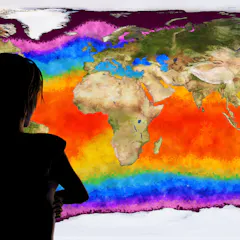
It’s time to admit the age of pristine nature is over. In its place is humanity and planet-shaping technologies, from gene editing to climate engineering. Earth Day in a Synthetic Age.
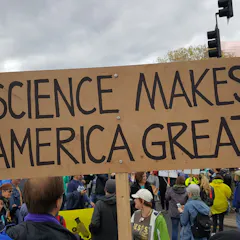
The March for Science on April 14 and Earth Day on April 22 are likely to generate big crowds demonstrating against Trump administration policies. Here are some issues they’ll be marching about.
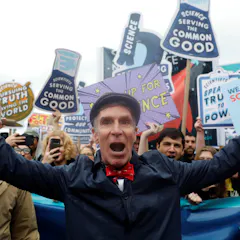
Scientists from Africa, Asia, Latin America and Europe take on the White House with facts from the ground they stand on.
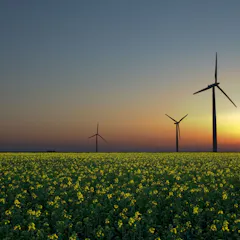
It’s not all doom and gloom when it comes to work being done to secure the future of the planet.
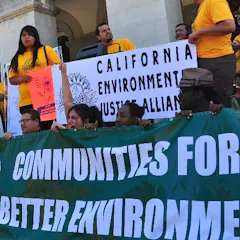
How could green groups attract more diverse volunteers? Maybe they could put more time and energy into outreach toward the people most affected by environmental injustices.

Addressing social and health inequalities from pollution is no longer a priority at the EPA. What did the Office of Environmental Justice do and what will happen if it’s shut down?
Why Earth Day needs to more than an opportunity for environmentalists to spread the word.
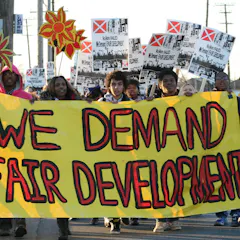
The EPA and other federal agencies have yet to address environmental justice – despite a long history of poor and minority communities suffering environmental ills disproportionately.

A lifestyle based on aggressive consumption stresses the Earth’s resources and, beyond a certain point of comfort, does not actually foster human fulfillment or happiness.

The history of Earth Day reveals its true nature: a day about people, not really a celebration of an amazing planet – like a true birthday.
Top contributors
-

Lynton K. Caldwell Professor of Public Affairs, Indiana University
-
Course Director, MSc Biodiversity, Conservation and Management, University of Oxford
-
Professor, Asian Institute of Technology
-
Professor of Philosophy, Seton Hall University
-
Researcher in Ecology, Universidade Federal do Pará (UFPA); Empresa Brasileira de Pesquisa Agropecuária (Embrapa)
-
Associate Professor of Public Affairs and Administration, Rutgers University - Newark
-
Senior economist, IFC, World Bank Group
-
Directrice de recherche CNRS, Aix-Marseille Université (AMU)
-
Lecturer, Department of Geography, Planning and Environment, Concordia University
-
Assistant Professor, Institute for the Oceans and Fisheries, University of British Columbia
-
PhD student, University of Lethbridge
-
Senior Lecturer in Visual Culture, University of Portsmouth
-
Adjunct Research Scientist, Conservation Biology and Arctic Ecology, Carleton University
-
Senior Lecturer in Climatology, Director, Climate Futures Program, University of Tasmania
-
Director, Earth Institute Center for Environmental Sustainability and Professor of Ecology, Columbia University