
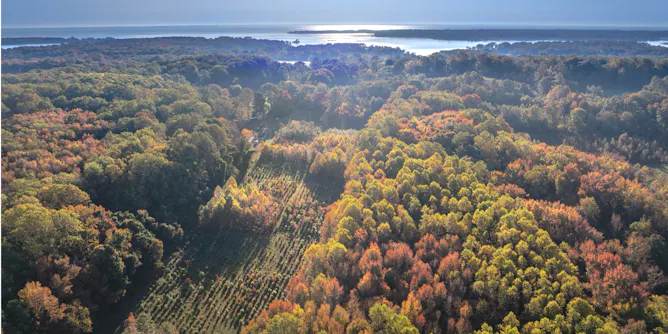
The tree mix matters. Near Chesapeake Bay, scientists have been experimenting with mini-forests for over a decade. The surprising results show how biodiversity pays off.
Articles on Earth Day
Displaying 1 - 20 of 36 articles
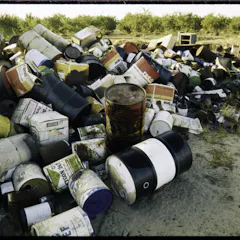
Critics of environmental protection laws may have forgotten how much progress has been made.

Not all plastic is the same. Old yogurt cups and milk jugs, for example, don’t play well together when being turned into new materials. However, there are solutions.
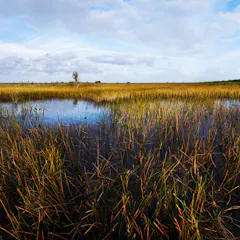
Changes to the landscape and pollution have harmed this vital ecosystem known as the ‘river of grass.’
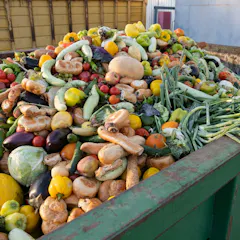
Food waste is a serious emergency in Canada and around the world. Here are four practical steps we can take this Earth Day to eat more healthily, reduce food waste and save the planet.

Sparking global momentum and energy in young people through climate education can go a long way to addressing climate change now and in the near future.

Not all activists are in the media spotlight, but they’re crucial to promoting action to slow climate change.

When Frank Herbert sat down in 1963 to start writing ‘Dune,’ he wasn’t thinking about how to leave Earth behind. He was thinking about how to save it.
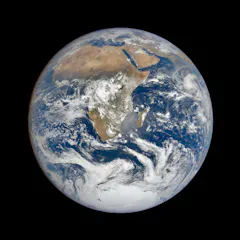
A new image has been taken of the whole Earth 50 years after the first - revealing noticeable changes to its surface.

The self-immolation of Wynn Bruce on Earth Day in Washington, D.C., not only raises questions about climate grief but also about intercultural understanding.
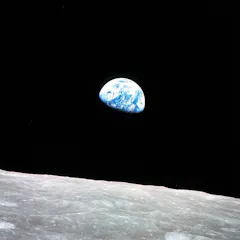
The Earth is a resilient planet, but people are altering it in ways that may take centuries to reverse.
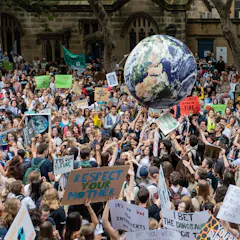
For the first time, political will and global public opinion seem focused on profound climate action. This decade will be a decisive one.

The snail’s pace of action in this year’s federal budget on climate is out of step with the urgency of the climate and income inequality crises.

To combat the biodiversity crisis, we need to fundamentally shift our economy and society and make nature conservation the norm.
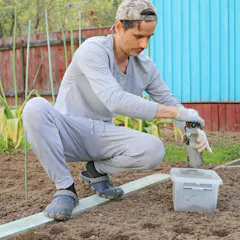
Seedkeeping can create a sense of home, reconnect communities with ancestral crops and preserve biodiversity and culturally significant crops for future generations.

Plus how to interpret the outcome of the pre-COP26 summit.

During the pandemic, climate activists are thinking globally and acting digitally.

Efficient technologies can save Indonesians not only billions of rupiah but also avoid the need to built 50 power plants by 2030.
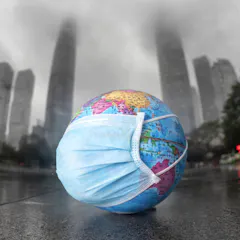
Thousands of Americans took part in the first Earth Day 50 years ago. What has changed since then?

With its abundant sunshine and unique topography, Indonesia is able to generate 100% green electricity from its solar energy by 2050.
Top contributors
-

Lynton K. Caldwell Professor of Public Affairs, Indiana University
-
Course Director, MSc Biodiversity, Conservation and Management, University of Oxford
-
Professor, Asian Institute of Technology
-
Professor of Philosophy, Seton Hall University
-
Researcher in Ecology, Universidade Federal do Pará (UFPA); Empresa Brasileira de Pesquisa Agropecuária (Embrapa)
-
Associate Professor of Public Affairs and Administration, Rutgers University - Newark
-
Senior economist, IFC, World Bank Group
-
Directrice de recherche CNRS, Aix-Marseille Université (AMU)
-
Lecturer, Department of Geography, Planning and Environment, Concordia University
-
Assistant Professor, Institute for the Oceans and Fisheries, University of British Columbia
-
PhD student, University of Lethbridge
-
Senior Lecturer in Visual Culture, University of Portsmouth
-
Adjunct Research Scientist, Conservation Biology and Arctic Ecology, Carleton University
-
Senior Lecturer in Climatology, Director, Climate Futures Program, University of Tasmania
-
Director, Earth Institute Center for Environmental Sustainability and Professor of Ecology, Columbia University