
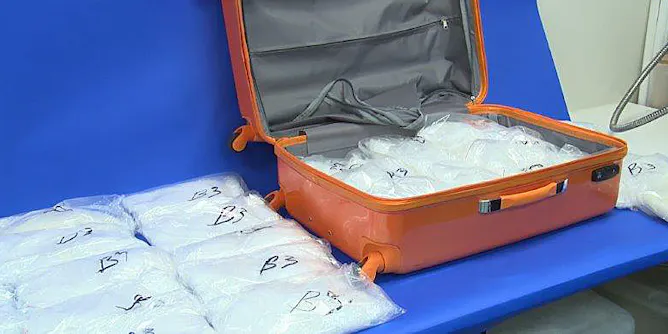
West Australian Labor leader Mark McGowan said his state has the “worst rate of methamphetamine usage in the country”. We asked the experts to check the evidence.
Articles on Drug policy
Displaying 61 - 80 of 101 articles

Evidence increasingly shows the effectiveness of controversial efforts, like northeastern Brazil’s Attitude Programme, to feed and house at-risk drug users.
The next American administration will have to choose between following Barack Obama’s reform course or relaunching the war on drugs, nationally and internationally.

Will America end its aggressive counter-narcotics strategy, which has battered Latin America for four decades?
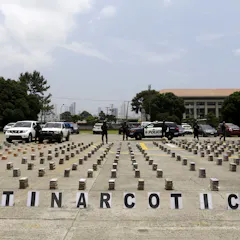
In this TC Global Explainer, two Latin American scholars lay out the basics of drug policy, expose the ‘war on drugs’, and offer reform suggestions.

In Brazilian prisons, overcrowding, corruption and gang infiltration are a combustive combination. But it all started with bad drug policies.
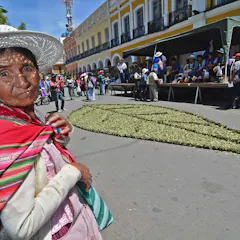
Bolivia is the first cocaine-producing country to take a harm reduction approach to tackling the drug trade.

On the same day that London’s legendary Fabric closed permanently, Berlin’s infamous techno club Berghain was granted a tax break.
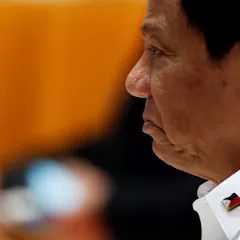
Why would the Philippine president risk alienating an important and generous ally?
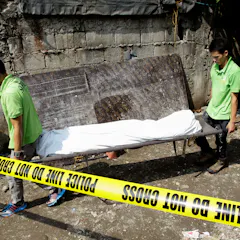
The Philippines is seeing a surge of extrajudicial killings of suspected criminals and drug users since Rodrigo Duterte assumed office last month.
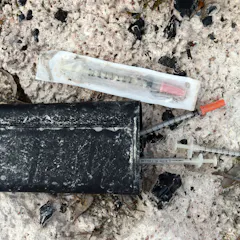
PolicyCheck unpacks the details and history of the Greens’ proposed $10 million Harm Reduction Innovation Fund drug policy.

It’s not just energy-hungry pot farms: the ties between energy and drugs run deep. Can we develop a national drug policy drawing on the lessons of the domestic oil and gas boom?

The UK may have signed the UN drugs convention – with its emphasis on prohibition – but that doesn’t mean it can’t legalise the drug.
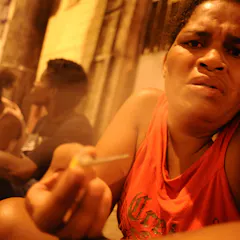
If countries are serious about drug reform, they must address the disproportionate harm of current drug policies on women worldwide.
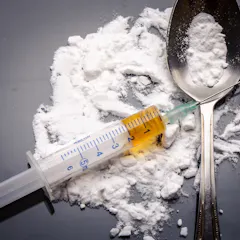
There are scores of reasons why people get hooked on drugs. But governments play a key role, too.
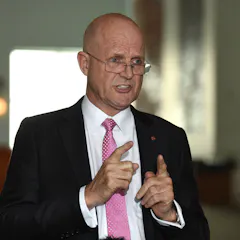
Liberal Democrat Senator David Leyonhjelm told parliament that of the $1.5 billion spent annually on drug law enforcement, 70% is attributable to cannabis. Are those numbers correct?

The government’s blanket ban on psychoactive substances is all over the place.
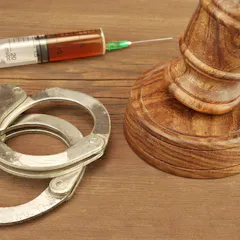
In tackling the problem of drug abuse, Indonesia should change its criminalisation and punitive approach into a public health one.
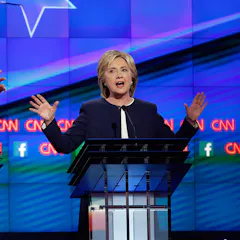
Clinton, who named drug companies among her enemies in this week’s debate, is pushing populist-inspired policies that could hamper the flow of new medicines.

Prime Minister Tony Abbott has said ice is far more potent, far more dangerous, and far more addictive than any other illegal drug. Is that supported by the data?
Top contributors
-

Honorary Fellow, Department of Health Sciences, University of York
-
Senior Lecturer in Human Rights, Constitutional Law and Legal Theory, University of Wollongong
-
Adjunct Professor at the National Drug Research Institute (Melbourne based), Curtin University
-
Professor in Substance Use, Liverpool John Moores University
-
Associate Professor of Sociology, Bentley University
-
Associate Professor of Political Science, Wright State University
-
Professor in Criminal Justice and Faculty Director of Public Engagement, University of Kent
-
Associate Professor, Public Health, Monash University
-
Emeritus Consultant, St Vincent's Hospital, Darlinghurst
-
Professor of History, University of Johannesburg
-
Professor in Criminology, Loughborough University
-
Lecturer, RMIT University
-
Associate Professor of Public Policy and Administration, Penn State
-
Associate professor, Department of Family and Community Medicine, University of Toronto; York University, Canada; University of Sydney
-
Junior research fellow, University of Oxford